
Phacoemulsification Cataract Surgery
A commonly performed technique that uses ultrasound energy to break up the cloudy natural lens before removing it through a small incision.
Cataracts can affect your vision and make daily activities like reading, driving and recognising faces difficult. At Ojas Maxivision Eye Hospitals, we provide advanced cataract evaluation and modern surgical treatments for clearer vision.
Request an appointment with our eye care team.
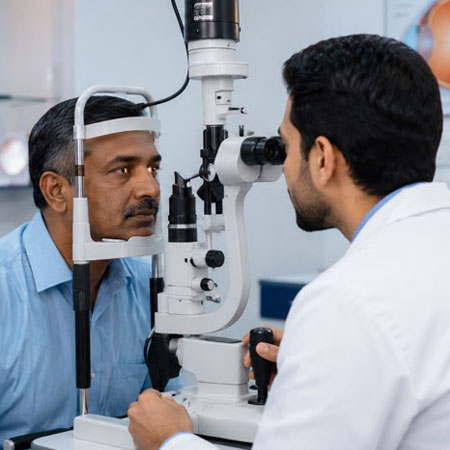
A cataract develops when the natural lens inside the eye becomes cloudy, causing blurred or hazy vision. It commonly develops with age and can gradually interfere with everyday activities. At Ojas Maxivision Eye Hospitals, our specialists provide detailed eye examinations and personalised cataract treatment plans. With modern surgical techniques and suitable intraocular lens options.
Book AppointmentCataracts can gradually affect your vision, making everyday activities more difficult. Recognising the early warning signs can help you seek timely eye care and appropriate treatment.
Objects may appear hazy, blurry or less sharp, even when wearing glasses.
Driving at night or seeing in low-light conditions may become increasingly difficult.
Bright sunlight, headlights and other light sources may cause discomfort or glare.
Colours may appear dull, less vibrant or slightly yellowish.
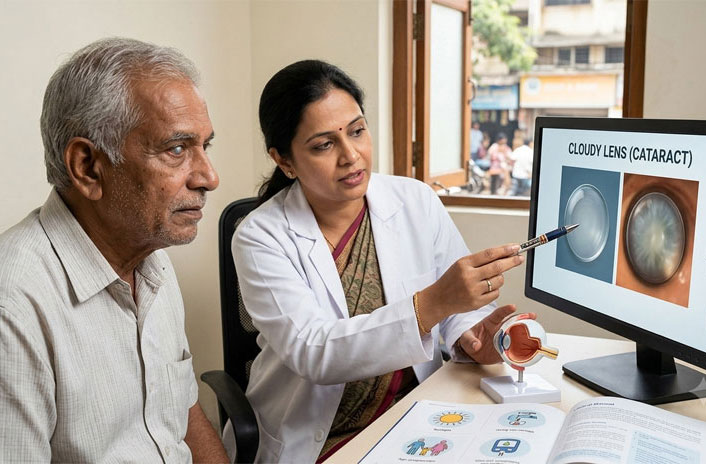
Cataract surgery involves removing the cloudy natural lens and replacing it with an artificial intraocular lens (IOL). Different surgical approaches and lens options are available depending on your eye condition and visual requirements.
A commonly performed technique that uses ultrasound energy to break up the cloudy natural lens before removing it through a small incision.
A minimally invasive surgical approach that uses a small incision to remove the cataract and implant an artificial lens.
A laser-assisted approach that uses femtosecond laser technology for selected steps of cataract surgery, depending on the patient’s suitability.
Designed to provide clear vision at one primary distance, commonly distance vision. Glasses may still be required for reading or other activities.
Designed to correct corneal astigmatism along with cataract removal, helping improve distance vision in suitable patients.
Designed to provide a broader range of vision, particularly distance and intermediate vision, with functional near vision.
Designed to provide vision at near, intermediate and far distances, potentially reducing dependence on glasses for suitable patients.
Our premier eye hospitals in Kandivali, Bandra and Juhu features a stunning clinical environment, dedicated treatment facilities, and world-class laser technology setup for exceptional care and comfort.
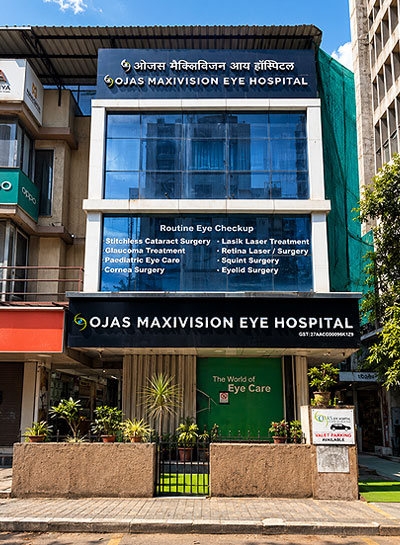
Roseland Building, Junction of Linking Road and Waterfield Road, Bandra, Mumbai – 400050, India.
☎ +91 92402 14610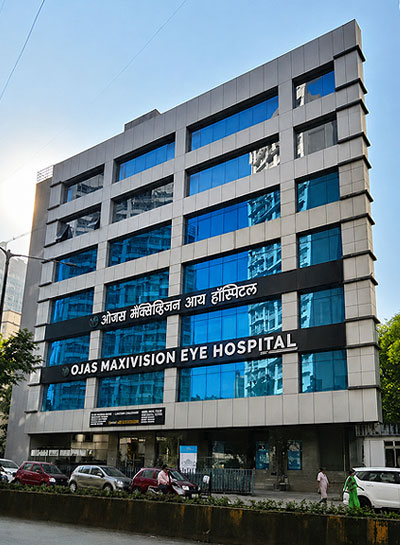
Jivala Pada Road, Behind Gokul Concord Tower, Thakur Village, off Western Express Highway, Kandivali East, Mumbai – 400101.
☎ +91 92402 14610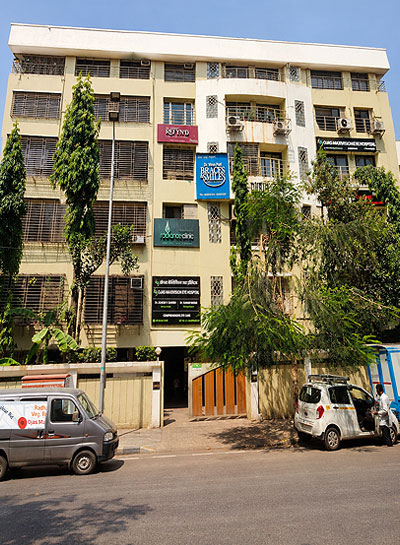
B-301 Dhruv Apartments Main, Gulmohar Road, Juhu, Mumbai, Maharashtra – 400049.
☎ +91 92402 14610YOUR PATH TO CLEARER VISION
Schedule an appointment with our eye specialists to discuss your vision problems and medical history.
Undergo detailed eye tests and measurements to assess cataract severity, eye health and lens requirements.
Your ophthalmologist will explain suitable surgical approaches and intraocular lens options based on your vision needs.
The cloudy natural lens is removed and replaced with an artificial intraocular lens. Follow your doctor’s post-operative instructions.
Cataract surgery is a procedure in which the cloudy natural lens of the eye is removed and replaced with an artificial intraocular lens (IOL) to improve vision.
Cataract surgery may be recommended when cloudy vision starts interfering with everyday activities such as reading, driving or recognising faces. Your ophthalmologist will assess your condition and advise the appropriate time for surgery.
Cataract surgery is generally performed using local anaesthesia, commonly numbing eye drops. Most patients experience minimal discomfort during the procedure. Your surgeon will explain what to expect.
The surgical procedure commonly takes around 10–20 minutes, although preparation, recovery and observation can increase the overall time spent at the hospital.
The choice depends on your eye health, lifestyle, visual requirements and budget. Options include monofocal, toric, EDOF and trifocal lenses. Your ophthalmologist can help you select a suitable lens.
Book your eye consultation and discover the right vision correction option for you.
Book an Appointment Call +91 92402 14610