


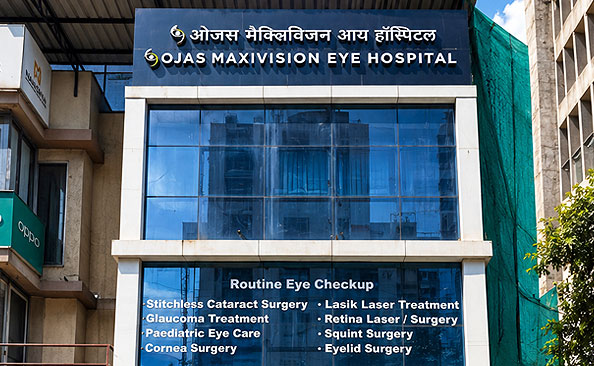
 Bandra
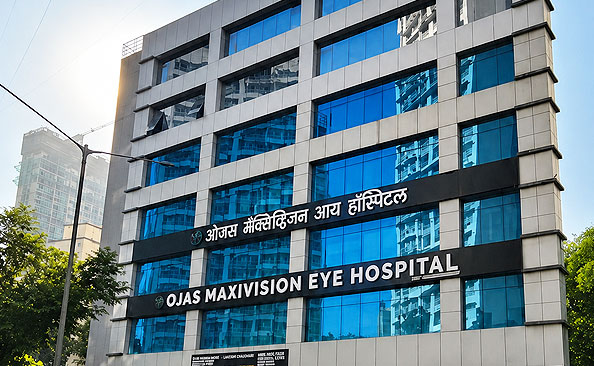 Kandivali
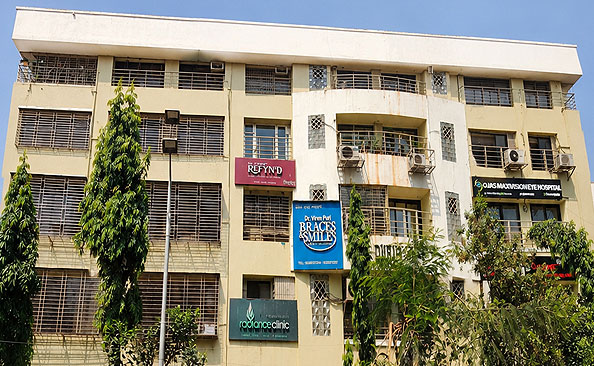 Juhu
Juhu
In this section
- Diabetic Retinopathy Overview
- Diabetic Retinopathy Symptoms
- Diabetic Retinopathy Causes
- Diabetic Retinopathy Risks
- Diabetic Retinopathy Types
- Diabetic Retinopathy Diagnosed
- Diabetic Retinopathy Treatment
- Diabetic Retinopathy Before Surgery
- Diabetic Retinopathy After Treatment
- Diabetic Retinopathy Prevent
- Diabetic Retinopathy FAQs
What Is Diabetic Retinopathy?
Diabetic Retinopathy is an eye condition caused by diabetes that affects the retina. It mainly occurs due to raised blood sugar levels over a long period of time, which damage the small blood vessels in the retina (the light-sensitive layer at the back of the eye).
As a result, these blood vessels can become weak, leak fluid, swell or even get blocked. This disrupts the normal blood supply to the retina and can affect vision.
In the early stages, diabetic retinopathy may not cause noticeable symptoms. However, as the condition progresses, it can lead to blurred vision, dark spots or even permanent vision loss if not treated on time. In advanced stages, the eye may start forming new, abnormal blood vessels. Which are fragile and can bleed easily or form scar tissue, leading to serious vision problems.
This condition is one of the leading causes of preventable in people with diabetes. The longer you have diabetes and your blood sugar is less controlled, you are at higher risk of developing diabetic retinopathy.
Regular eye check-ups and timely treatment can help protect your vision and prevent serious complications.
What Are the Diabetic Retinopathy Symptoms You Should Not Ignore?
Diabetic retinopathy often develops silently, but certain symptoms should not be ignored. As the disease progresses, vision problems become more noticeable. Recognizing these signs early can help prevent serious vision loss.
Common diabetic retinopathysymptoms include:
- Blurred or fluctuating vision: Vision may become unclear or go in and out of focus. This happens when damaged blood vessels leak fluid into the retina, affecting clear sight.
- Floaters (dark spots or strings): You may notice tiny dark spots, lines or cobweb-like shapes drifting in your vision. These are caused by bleeding inside the eye that blocks light from reaching the retina.
- Dark or empty areas in vision: Some parts of your visual field may appear blank or shadowed. This occurs due to damage to the retinal tissue, leading to missing patches in vision.
- Poor night vision: You may find it difficult to see in dim light or at night. This is due to reduced sensitivity of the retina to low light conditions.
- Changes in color vision: Colors may look faded, dull or harder to distinguish. This happens when the retinal cells responsible for color detection get damaged.
- Vision loss (advanced stage): If left untreated, it can lead to partial or complete vision loss due to severe retinal damage or complications like retinal detachment.
If you notice any of these symptoms, consult an eye specialist immediately.
When Should You See an Eye Specialist for Diabetic Retinopathy?
You should consult an eye specialist without delay if you have diabetes and notice any changes in your vision. Even if you have no symptoms, people with diabetes should get a detailed eye check-up once a year to detect any early damage. Early detection can help prevent serious complications.
See an eye specialist immediately if you have:
- Sudden blurred, cloudy or double vision
- New floaters, dark spots or flashes of light
- Difficulty reading or seeing in dim light
- Eye pain, pressure or constant redness
- Trouble seeing from the sides (side vision loss)
If you already have diabetic retinopathy, your doctor may advise more frequent visits to closely monitor your condition. Timely consultation helps detect problems early and improves treatment results.
What Causes Diabetic Retinopathy?
Diabetic retinopathy develops due to long-term high blood sugar levels that damage the blood vessels in the retina.
Common causes include:
- Long-term high blood sugar levels: It damages the small blood vessels in the retina over time.
- Leakage of fluid or blood and swelling: Damaged vessels may leak fluid or blood, causing retinal swelling.
- Blocked blood vessels: Some vessels may close, reducing oxygen supply to the retina.
- Abnormal new blood vessels growth: In later stages, fragile new vessels grow and may bleed or cause retinal damage.
- Other internal changes: Harmful substances build up in the eye, leading to further damage to blood vessels.
What Are the Risk Factors for Diabetic Retinopathy?
The risk of diabetic retinopathy mainly increases due to long-term and poorly controlled diabetes (high blood sugar levels). Over time, it can affect most people with diabetes, especially if the condition is not well managed.
Some factors that increase the risk include:
- Poor blood sugar control: Constantly high blood sugar levels (high HbA1c) can damage the retina.
- Long duration of diabetes (Type 1 or Type 2): The longer you have diabetes, the higher your risk.
- High cholesterol levels: Increased cholesterol and triglycerides raise the risk of eye damage.
- Kidney disease: Eye problems are more common in people with diabetes-related kidney issues.
- Family history and genetics: Having a family history of diabetes can increase your risk.
These risk factors can often work together and increase the chances of eye damage. Managing them, along with regular eye check-ups, can help with early detection, slow disease progression and improve overall control of the condition.
Did You Know?
- Diabetic retinopathy may not show symptoms in the early stages.
- It can affect both eyes.
- Good diabetes control can delay its progression.
- Early treatment can prevent most vision loss.
- Regular eye exams are the best way to protect your vision.
What Are the Different Types of Diabetic Retinopathy?
Diabetic retinopathy is mainly divided into two types based on severity and damage to the retina. A related condition called Diabetic Macular Edema can occur at any stage and affect vision.
Nonproliferative Diabetic Retinopathy (NPDR)
This is the early and most common stage. In this stage, the blood vessels in the retina become weak and may leak fluid or small amounts of blood.
- Mild NPDR: Tiny bulges form in the blood vessels (early damage)
- Moderate NPDR: Some blood vessels get blocked, reducing blood flow
- Severe NPDR: Many vessels are blocked, leading to less oxygen supply and more leakage
Proliferative Diabetic Retinopathy (PDR)
This is the advanced and serious stage. Due to lack of oxygen, the eye starts growing new, abnormal blood vessels.
- These new vessels are weak and can bleed inside the eye
- They may form scar tissue, which can pull the retina and cause retinal detachment
- This stage can lead to severe vision loss or even blindness
Diabetic Macular Edema (DME)
This is not a stage but a complication that can happen at any time.
- It occurs when fluid leaks into the macula (the central part of the retina)
- This causes swelling and affects clear, central vision
- It is one of the most common reasons for vision loss in people with diabetes
How Is Diabetic Retinopathy Diagnosed?
Diabetic retinopathy is diagnosed through a detailed eye check-up in which your eye doctor examines the retina for any damage, such as leaking blood vessels, swelling or abnormal new vessel growth. Special tests are used to get clear images of the retina and plan the right treatment.
Common tests include:
- Pupil Dilation Eye Exam: In this, eye drops are used to widen the pupil so the doctor can clearly see the retina.
- Optical Coherence Tomography (OCT): It is a painless scan that takes detailed images of the retina. It helps detect swelling, fluid buildup and changes in retinal thickness that may affect vision.
- Fundus Fluorescein Angiography (FFA): A special dye is injected into a vein of the arm and images are taken to track blood flow in the retina and find any leakage, blockage or abnormal vessels.
- Visual Acuity Testing: It is a basic eye test used to check how clearly you can see letters or objects at different distances. It helps identify any vision problems or need for glasses.
- Tonometry: This test measures the pressure inside your eyes. It helps doctors detect conditions that may affect the optic nerve or vision over time.
- Fundus Photography: It is a non-invasive procedure where colored special photos of the retina are taken to track changes over time.
- Slit-Lamp Exam / Ophthalmoscopy: In this, a magnified clinical view of the eye is used to closely examine the retina and optic nerve.
These tests help your doctor detect retinal damage, assess the severity of the condition, and guide the most suitable treatment plan.
What Are the Available Diabetic Retinopathy Treatment Options?
Treatment for Diabetic Retinopathy focuses on slowing the disease and preventing vision loss. This is done by controlling blood sugar, blood pressure and cholesterol, along with specific eye treatments based on the stage of the condition.
Mild cases
Regular eye check-ups and good blood sugar control are usually enough.
Moderate to severe cases
Laser treatment or eye injections may be needed to reduce swelling and protect vision.
Advanced cases
Surgery (vitrectomy) may be required to remove blood and prevent serious problems like retinal detachment.
Common treatment options include:
Regular monitoring (early stage)
In mild cases, regular eye check-ups and good control of blood sugar may be enough to manage the condition.
Anti-VEGF injections
Medicines are injected into the eye to reduce swelling in the retina and stop the growth of abnormal blood vessels. This is commonly used as the first-line treatment.
Steroid injections
Steroids may be used to reduce retinal swelling, especially when other treatments are not effective.
Laser treatment (Photocoagulation)
A laser is used to seal leaking blood vessels or shrink abnormal ones. It helps prevent further leakage, bleeding and worsening of vision.
What Is Advanced Diabetic Retinopathy Treatment and Its Benefits?
Modern treatments for diabetic retinopathy use advanced methods to provide accurate and effective care. Advanced stages are treated with laser therapy, eye injections (anti-VEGF) and vitrectomy surgery. These treatments help stop the growth of abnormal blood vessels, reduce swelling in the retina and remove blood or scar tissue. These treatment modalities are to permanent prevent serious vision loss and lower the risk of permanent blindness.
How it works:
- Detailed imaging of the retina for accurate diagnosis
- Targeted injections or laser therapy
- Minimally invasive procedures for faster recovery
Benefits of these treatments:
- Slows disease progression
- Help prevent further vision loss or blindness
- Improve and stabilize vision
- Clear blood from the eye to improve sight
- Treat serious complications like swelling or retinal detachment
- Quick and safe procedures
These treatments control the condition but do not cure it. Good control of blood sugar, blood pressure and cholesterol is still very important to avoid further damage.
Key points to know:
- Treatment helps control the disease but does not cure it.
- Regular follow-ups are essential to monitor eye health.
- Early treatment can prevent serious vision loss.
When Should I Start Diabetic Retinopathy Treatment?
Diabetic retinopathy often develops slowly and in the early stages, you may not notice any symptoms.Regular eye check-ups play an important role in detecting these changes early, even before vision problems begin. Starting treatment at the right time is very important, as it can help protect your vision and prevent serious complications. However, treatment becomes necessary when the condition starts affecting the retina or shows signs of getting worse
Signs you may need treatment:
- Blurred or worsening vision
- Retinal swelling (macular edema)
- Bleeding inside the eye
- Growth of abnormal blood vessels
Do not delay treatment, as early care gives better outcomes and helps preserve your eyesight.
Things to consider:
- Early treatment helps protect vision.
- Regular eye check-ups are essential.
- Diabetes control is important for eye health.
- Long-term care and follow-up are required.
How to Prepare for Diabetic Retinopathy Treatment?
Preparing for diabetic retinopathy treatment means getting your overall health under control and planning a few things before your appointment. Keeping your blood sugar, blood pressure and cholesterol stable is very important to avoid further damage to your eyes. You should also talk to your doctor about your medicines and make simple arrangements like transport for the day of treatment.
Proper preparation ensures a smooth treatment experience:
- Share your medical history and medications
- Keep blood sugar levels controlled
- Follow instructions before procedures
- Arrange for someone to accompany you if needed
How to Prepare Before Diabetic Retinopathy Treatment?
Before your treatment:
- Arrange transport: You may not be able to drive after laser treatment or eye injections due to blurred vision.
- Review medicines: Ask your doctor if you need to stop any medicines, especially blood thinners.
- Be ready for eye drops: Dilating drops can make your eyes sensitive, so carry sunglasses.
- Stay comfortable: You can usually eat normally and it’s best to wear comfortable clothes.
What Lifestyle Preparations Are Needed for Diabetic Retinopathy Treatment?
Lifestyle preparation:
- Control blood sugar: This is the most important step to stop the condition from worsening.
- Manage blood pressure: It helps protect small blood vessels in the eyes.
- Quit smoking: This improves blood flow and eye health.
- Watch for symptoms: Inform your doctor if you notice sudden vision changes, spots, or blurriness.
What Happens During the Diabetic Retinopathy Treatment?
During treatment:
- Injections: Given with numbing drops; you may feel mild discomfort or irritation for a day.
- Laser treatment: Your pupils will be dilated and you may see bright flashes during the procedure.
For long-term care, follow your diabetes plan, go for regular eye check-ups and keep your blood sugar levels within the target range.
How to Care After Diabetic Retinopathy Treatment?
Post-treatment care is important for recovery:
- Use prescribed eye drops regularly
- Avoid rubbing your eyes
- Attend follow-up visits
- Report any sudden vision changes
Following these lifestyle steps helps control the condition, supports better treatment results and reduces the risk of further vision problems.
Will You Need Glasses After Diabetic Retinopathy Treatment?
You may need a change in glasses depending on your vision after treatment. In some cases, vision stabilizes before updating the prescription.
What Are the Possible Side Effects and Risks of Diabetic Retinopathy Treatment?
Most treatments are safe, but some risks may include:
- Temporary blurred vision
- Eye discomfort or redness
- Increased eye pressure
- Need for repeat treatments
- Infection (rare)
Contact your eye doctor if you notice severe pain or sudden vision loss.
How Long Does It Take to Recover After Diabetic Retinopathy Treatment?
Recovery depends on the type of treatment:
- Injections: Quick recovery within a day
- Laser: Mild discomfort for a few days
- Surgery: May take a few weeks for full recovery
What Questions Should You Ask Your Eye Specialist?
You can ask your eye specialist these simple questions:
- What stage of diabetic retinopathy do I have?
- How severe is my condition?
- What treatment is best for me?
- How can I prevent vision loss?
- How often should I follow up?
Can I Prevent Diabetic Retinopathy?
While it cannot always be completely prevented, you can reduce the risk by:
- Controlling blood sugar levels
- Managing blood pressure and cholesterol
- Eating a healthy diet
- Exercising regularly
- Getting regular eye check-ups
Book Your Diabetic Retinopathy Consultation at Ojas Maxivision Eye Hospital
If you are looking for a trusted eye hospital in Mumbai, Ojas Maxivision Eye Hospital offers advanced and personalized care for diabetic eye conditions. Our experienced specialists provide accurate diagnosis and effective diabetic retinopathy treatment in Mumbai using modern methods.
Do not ignore early signs - timely care can protect your vision for life.
Frequently Asked Questions About Diabetic Retinopathy
No, diabetic retinopathy cannot be completely cured or reversed, but it can be well treated and managed. Treatments like injections and laser therapy can slow or stop the disease, protect your remaining vision and sometimes improve vision, especially if it is detected early.
People with long-term or poorly controlled diabetes are at highest risk of developing diabetic retinopathy. High blood pressure, high cholesterol, smoking, pregnancy, obesity and kidney disease also increase the chances of developing diabetic retinopathy over time.
Diabetic retinopathy usually does not cause pain in the early or middle stages and may not show any symptoms at first. It slowly damages the blood vessels in the retina, so many people do not notice it until vision problems start. Eye pain or pressure is usually seen in advanced and more serious stages of the disease.
Yes, diabetic retinopathy can lead to blindness. It is a major cause of permanent vision loss in adults, as high blood sugar damages the blood vessels in the retina. However, this can often be prevented with early diagnosis, good control of blood sugar and timely treatment like injections or laser therapy.
If you are having diabetes, it is recommended to have a full dilated eye exam at least once a year to check for early signs of diabetic retinopathy and other eye problems. If retinopathy is found, check-ups may be needed every 3 to 6 months. Those with well-controlled Type 1 diabetes may need less frequent visits.
Often no symptoms, but the early signs of diabetic retinopathy may include blurred or changing vision that comes and goes. You may also notice difficulty seeing at night, less clear colors or floaters and dark spots in your vision. These happen due to weak, swollen or leaking blood vessels in the retina.
Yes, diabetic retinopathy usually affects both eyes. It is caused by diabetes, which damages blood vessels in the retina of both eyes, often in a similar way. Regular eye check-ups are very important, as the condition can develop without noticeable symptoms in the early stages.
Yes, laser treatment (photocoagulation) is a safe, common and effective procedure for treating diabetic retinopathy. It helps shrink abnormal blood vessels and stop leakage, lowering the risk of serious vision loss. Side effects are usually mild and may include temporary blurred vision or reduced night vision.
Eye injections are used in diabetic retinopathy to help prevent vision loss, reduce swelling in the retina and slow the growth of abnormal blood vessels. In this treatment, medicine is injected directly into the eye. Anti-VEGF drugs block harmful proteins, while steroids help reduce inflammation.
Yes, controlling diabetes can help prevent or slow diabetic retinopathy. Keeping your blood sugar (HbA1c), blood pressure and cholesterol under control reduces damage to the retina and lowers the risk of vision loss. Regular check-ups and following your treatment plan are also important.
Yes, young people with diabetes can develop diabetic retinopathy, which damages the retina due to high blood sugar. It is uncommon in young children, but the risk increases after puberty and with a longer duration of diabetes.
Yes, diabetic retinopathy can affect night vision, making it harder to see in low light or while driving at night. It can be an early sign of the condition and may come with blurred vision, more floaters and difficulty adjusting from bright to dark environments.
Diabetic retinopathy is usually a long-term condition, but its progress can often be slowed or even improved in the early stages with good blood sugar control, a healthy lifestyle and treatments like eye injections. However, damage in advanced stages is usually permanent, so early treatment is important to prevent further vision loss.
Surgery is usually required in advanced stages to prevent permanent vision loss. In early stages, better diabetes control may be enough. Moderate to severe cases may need eye injections, laser treatment or surgery to remove blood or scar tissue.
Yes, pregnancy can lead to the development or fast worsening of diabetic retinopathy in women who already have type 1 or type 2 diabetes. Changes during pregnancy, like high blood sugar and increased blood pressure, can cause the condition to worsen. Regular eye check-ups are important.
A healthy and balanced diet that controls blood sugar and reduces inflammation can help manage diabetic retinopathy. Foods like leafy greens, fatty fish, berries, nuts, seeds, whole grains and legumes are especially good for eye health.
Yes, smoking can make diabetic retinopathy worse. It speeds up the disease, damages the blood vessels in the retina, and reduces blood flow to the eyes. It also increases the risk of severe vision loss and blindness.
The cost of diabetic retinopathy treatment depends on the stage of the disease and the type of treatment required, such as injections, laser therapy or surgery. Advanced treatments may increase the overall cost. For an accurate estimate based on your condition, it is best to consult our eye specialist. Please reach out to us by phone or email to schedule a consultation.
Yes, Ojas Maxivision Eye Hospital in Mumbai offers cashless treatment for diabetic retinopathy and is empaneled with major insurance providers such as CGHS, RBI, NABARD, and BSNL. It is recommended to confirm your insurance coverage and eligibility with the hospital team.
Diabetic retinopathy treatment is available at Ojas Maxivision Eye Hospital, with clinics in Bandra (West), Kandivali (East) and Juhu, Mumbai. Each center is fully equipped for advanced eye care, making it easy for patients across Mumbai, Maharashtra, to access regular check-ups and timely treatment.
Key Facts About Diabetic Retinopathy
- Diabetic retinopathy is an eye problem caused by diabetes that can lead to serious vision loss.
- People with diabetes should get regular eye check-ups, even if they can see clearly.
- Keeping blood sugar, blood pressure and cholesterol under control can lower the risk.
- Early stages often have no symptoms - regular eye exams are essential.
- Treatments like laser, injections or surgery can slow or prevent vision loss.
- If you notice any vision changes, consult a doctor or eye specialist immediately.