


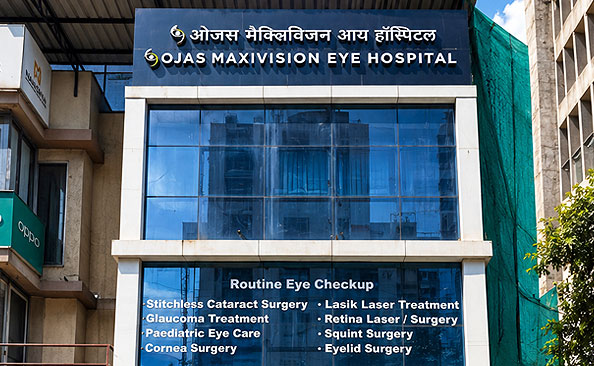
 Bandra
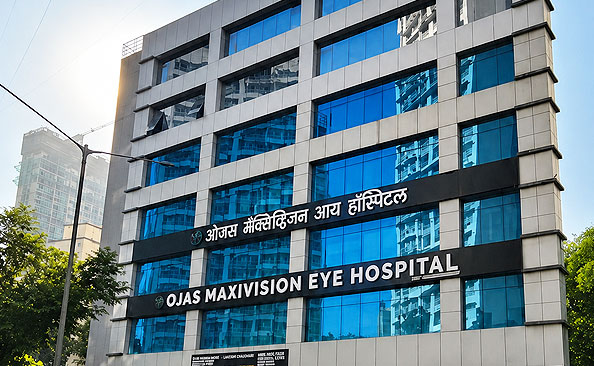 Kandivali
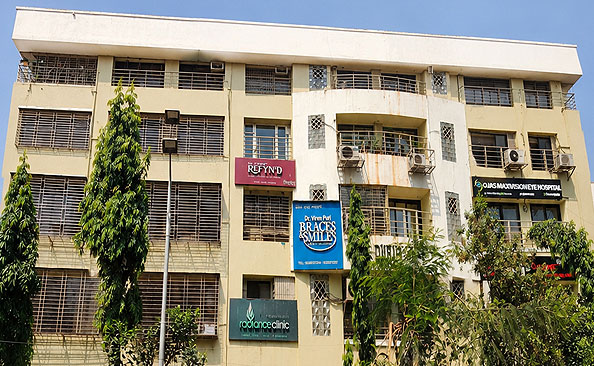 Juhu
Juhu
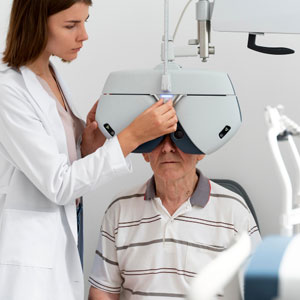
What Is Glaucoma Surgery?
Glaucoma eye surgery is performed to lower pressure inside the eye and reduce damage to the optic nerve. Glaucoma is a condition where increased eye pressure gradually damages the optic nerve, which is responsible for carrying visual information to the brain.
If glaucoma is not treated on time, it can lead to permanent vision loss. In many cases, eye drops and laser treatments help manage eye pressure. However, when medicines and laser procedures are not enough to control eye pressure, glaucoma surgery may be recommended to protect vision and prevent further damage. At OjasMaxivision Eye Hospital in Mumbai, advanced glaucoma surgery options are offered to help reduce eye pressure safely and effectively while improving long-term eye health.
Our experienced eye specialists use modern diagnostic tools and advanced surgical procedures to provide personalized glaucoma care for every patient.
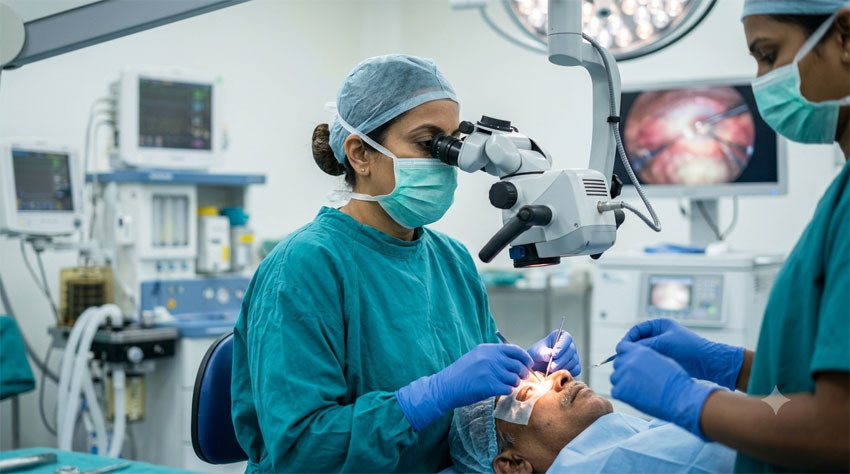
How Does Glaucoma Surgery Help Protect Vision?
The surgery helps improve the drainage of fluid from the eye or reduces fluid production inside the eye. This helps lower eye pressure and protect the remaining vision.
Glaucoma surgery may help manage:
- High eye pressure
- Progressive optic nerve damage
- Worsening side vision loss
- Advanced glaucoma
- Poor response to glaucoma medicines
- Difficulty managing long-term eye drops
Glaucoma surgery helps preserve vision but cannot reverse vision already lost due to optic nerve damage.
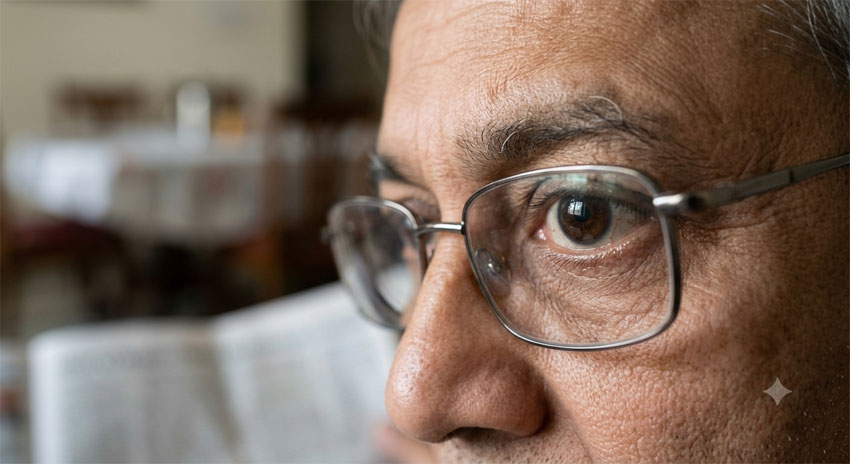
Glaucoma Surgery in Mumbai - Advanced Surgical Care at Ojas Maxivision Eye Hospital
Healthy vision is important for daily activities such as reading, driving, working and maintaining independence. Glaucoma can slowly damage eyesight without early warning signs, making timely diagnosis and treatment extremely important.
At Ojas Maxivision Eye Hospital in Mumbai, we provide advanced glaucoma surgery for patients requiring long-term eye pressure control. Our experienced eye specialists use modern diagnostic tools and advanced surgical procedures to create personalized treatment plans for every patient.
Glaucoma surgery may be recommended for:
Primary open-angle glaucoma
The most common type of glaucoma that slowly damages the optic nerve and can lead to vision loss over time.
Angle-closure glaucoma
A serious type of glaucoma that needs immediate treatment to prevent permanent vision loss.
Normal-tension glaucoma
Optic nerve damage happens even when eye pressure remains within the normal range.
Congenital glaucoma
A rare glaucoma condition present from birth due to improper development of the eye’s drainage system.
Secondary glaucoma
Trabeculectomy may be recommended for glaucoma caused by injury, inflammation or other eye conditions when other treatments are not effective.
Uncontrolled eye pressure
Trabeculectomy may be needed if eye pressure remains high despite medicines.
Worsening vision loss
Surgery may help when glaucoma continues to affect vision despite treatment.
Advanced glaucoma
Patients with severe optic nerve damage may benefit from surgery to protect remaining vision.
Difficulty using medicines regularly
Surgery may be helpful for patients who struggle with long-term eye drop use.
Treatment planning depends on the type of glaucoma, severity of optic nerve damage, eye pressure levels and overall eye health.
Why Is Glaucoma Surgery Performed?
Glaucoma surgery is performed to lower eye pressure and protect the optic nerve from further damage. Increased pressure inside the eye can slowly affect vision and lead to permanent blindness if left untreated.
Your eye specialist may suggest glaucoma surgery if medicines or laser treatment are not able to control eye pressure properly. Surgery may also be recommended when glaucoma continues to damage the optic nerve and affect vision.
People may require glaucoma surgery if they:
- Have uncontrolled eye pressure despite medicines
- Experience progressive vision loss
- Are unable to tolerate glaucoma eye drops
- Have severe or advanced glaucoma
- Require long-term pressure control
- Have rapid worsening of optic nerve damage
If you notice any of these problems, it is important to get a detailed eye examination and proper diagnosis at the earliest.
Note: The main aim of glaucoma surgery is to slow or stop further vision deterioration.
Why Is Glaucoma Surgery Considered an Important Vision-Saving Procedure?
Glaucoma surgery plays an important role in preventing further damage caused by glaucoma. Since glaucoma-related vision loss is usually permanent, controlling eye pressure early is extremely important.
Purpose of glaucoma surgery:
- Helps reduce eye pressure: Surgery improves drainage of eye fluid or reduces fluid production inside the eye.
- Protects the optic nerve: Lower eye pressure reduces stress on the optic nerve and slows disease progression.
- Prevents further vision loss: Surgery helps preserve the remaining eyesight for a longer period.
- Reduces dependence on medicines: Some patients may need fewer glaucoma eye drops after surgery.
- Provides long-term pressure control: Surgical treatment may offer more stable pressure management in many cases.
- Improves quality of life: Better glaucoma control helps patients continue daily activities more comfortably and independently.
Early diagnosis and timely treatment are important to reduce the risk of permanent blindness.
Who Can Benefit from Glaucoma Surgery?
Glaucoma surgery may benefit patients whose eye pressure cannot be controlled adequately with medicines or laser treatment.
Suitable candidates may include:
- Adults with moderate or advanced glaucoma
- Patients with progressive optic nerve damage
- Individuals with uncontrolled eye pressure
- Patients experiencing deteriorating vision
- People unable to tolerate glaucoma medications
- Patients needing long-term pressure reduction
- Individuals with certain types of secondary glaucoma
A detailed eye examination helps determine whether glaucoma surgery is the right treatment option.
Who May Not Be Suitable for Glaucoma Surgery?
Glaucoma surgery may not be suitable for everyone. The doctor carefully evaluates the overall eye condition before planning surgery.
People who may require alternative treatment approaches include:
- Patients with uncontrolled medical conditions
- Individuals with active eye infections or inflammation
- Patients with severe retinal diseases
- People with very poor visual potential
- Individuals unable to attend regular follow-up visits
The doctor will discuss the most appropriate treatment plan based on the individual condition.
What Symptoms May Indicate the Need for Glaucoma Surgery?
Glaucoma symptoms often develop slowly and may not be noticeable in the early stages. However, certain symptoms may indicate worsening glaucoma requiring advanced treatment.
Common symptoms may include:
- Uncontrolled eye pressure: Eye pressure remains high even after using medicines or laser treatment.
- Progressive optic nerve damage: The optic nerve continues to get damaged despite glaucoma treatment.
- Severe vision loss: Vision starts worsening rapidly or significantly.
- Difficulty using eye drops regularly: Managing long-term glaucoma medicines becomes difficult for some patients.
- Medication side effects: Glaucoma medicines cause discomfort or side effects affecting daily life.
Regular eye check-ups are important because many glaucoma patients may not notice symptoms initially.
What Are the Different Types of Glaucoma Surgery?
Different surgical procedures may be recommended depending on the type and severity of glaucoma.
- Trabeculectomy: Trabeculectomy is one of the most commonly performed glaucoma surgeries. In this procedure, a small drainage opening is created in the eye to allow excess fluid to drain out, reducing eye pressure.
- Glaucoma Drainage Devices: Tiny drainage tubes or implants may be placed inside the eye to help fluid drain properly. These implants help maintain long-term pressure control in certain glaucoma cases.
- Minimally Invasive Glaucoma Surgery (MIGS): MIGS procedures involve smaller incisions and faster recovery. These procedures are often suitable for mild to moderate glaucoma and may be combined with cataract surgery.
Some commonly used Minimally Invasive Glaucoma Surgery (MIGS) procedures include:
- iStent: The iStent is a very small titanium device placed inside the eye’s natural drainage system. It helps improve the flow of eye fluid, which lowers eye pressure.
- Canaloplasty: Canaloplasty is a minimally invasive glaucoma procedure usually used for open-angle glaucoma. A tiny tube called a microcatheter is used to widen the eye’s natural drainage canal, helping fluid drain better and reducing eye pressure.
- Kahook Dual Blade Goniotomy: This procedure is commonly used for open-angle glaucoma and ocular hypertension. A specially designed blade is used to remove the tissue blocking the eye’s drainage system, allowing fluid to flow more easily and helping reduce eye pressure.
- Laser Glaucoma Procedures: Laser treatments may help improve fluid drainage or reduce fluid production inside the eye. Some patients may require laser treatment before or after surgery.
- Cyclophotocoagulation: This procedure reduces the amount of fluid produced inside the eye by treating specific tissue responsible for fluid production.
The glaucoma specialist will recommend the most suitable surgical option after a complete eye examination.
How Is Glaucoma Surgery Performed?
Glaucoma surgery is generally performed as a day-care procedure under local anesthesia. The exact procedure depends on the type and severity of glaucoma. However, most glaucoma surgeries follow a similar process.
Step-by-step glaucoma surgery procedure:
- Preparation before surgery:The doctor performs a detailed eye examination, checks eye pressure and reviews your medical history and medicines before planning the procedure.
- Anesthesia: Numbing eye drops or local anesthesia are used to keep the procedure comfortable and pain-free. Some patients may also receive mild sedation.
- Creation of a drainage pathway: The surgeon creates a small opening or places a drainage implant to improve fluid outflow from the eye.
- Reduction of eye pressure: Excess eye fluid drains more effectively, helping lower intraocular pressure.
- Closure and protection: Tiny stitches may be placed if required and the eye is protected with a shield after surgery.
- Duration of surgery: Most glaucoma procedures are completed within a short time, usually ranging from a few minutes to about one hour.
- After surgery: Glaucoma surgery is usually a day-care procedure, and most patients return home the same day. Someone may be needed to help you travel home if vision is temporarily blurry after the procedure.
What Are the Benefits of Glaucoma Surgery?
Glaucoma surgery offers several important benefits for preserving long-term vision and controlling eye pressure.
Benefits of glaucoma surgery:
- Effective eye pressure reduction: Helps lower intraocular pressure and reduce optic nerve damage.
- Slows glaucoma progression: Helps protect remaining vision and slow further vision loss.
- Long-term pressure management: Provides stable pressure control in many patients.
- Reduced dependence on medicines: Some patients may need fewer glaucoma eye drops after surgery.
- Improved quality of life: Better vision stability helps maintain daily activities and independence.
- Advanced surgical options available: Modern procedures such as MIGS involve smaller incisions and faster recovery.
Timely surgery may significantly reduce the risk of severe vision impairment.
What Are the Risks and Side Effects of Glaucoma Surgery?
Like all surgical procedures, glaucoma surgery may involve certain risks and temporary side effects. Serious complications are uncommon when surgery is performed by experienced specialists.
Possible risks and side effects may include:
- Infection: Like any surgery, glaucoma surgery may carry a small risk of infection if not treated early.
- Inflammation: Some swelling or irritation after surgery is common and is usually controlled with medicines.
- Bleeding: Mild bleeding can sometimes happen during or after surgery and may temporarily affect vision.
- Cataract development: In some cases, glaucoma surgery may increase the chances of developing cataracts earlier.
- Temporary vision changes: Some patients may experience blurry or double vision for a short period after surgery.
- Low eye pressure: Sometimes, eye pressure may become too low after surgery, which can affect vision and may need further treatment.
Regular follow-up visits are important to monitor healing and manage any complications early.
What Is the Recovery Process After Glaucoma Surgery?
Recovery after trabeculectomy usually happens gradually over a few weeks. Healing time may vary depending on the surgical technique and individual eye condition.
- First week: Mild redness, watering, blurry vision and discomfort are common. Heavy activities should be avoided.
- After two weeks: Vision and eye pressure may start improving gradually. Regular follow-up visits are important.
- After one month: Most patients can slowly return to normal daily activities as advised by the doctor.
Most patients go home the same day after surgery.
What Are the Important Aftercare Tips Following Glaucoma Surgery?
Proper care after glaucoma surgery is important for smooth healing and better recovery. Following your doctor’s instructions carefully can help reduce complications and support long-term eye health.
- Use medicines regularly: Use all prescribed eye drops and medicines exactly as advised by your doctor.
- Avoid rubbing the eyes: Rubbing the eyes may affect healing and increase the risk of complications.
- Limit certain activities: Avoid swimming, heavy exercise and activities that may injure the eyes for a few weeks.
- Watch for unusual symptoms: Contact your doctor immediately if you notice severe pain, increasing redness, swelling or sudden changes in vision.
Book Your Appointment for Glaucoma Surgery in Mumbai at Ojas Maxivision Eye Hospital
If you have glaucoma symptoms or uncontrolled eye pressure, early treatment can help protect your vision and reduce the risk of permanent sight loss. At Ojas Maxivision Eye Hospital, our specialists provide advanced care for glaucoma with patient-focused treatment and modern surgical solutions. If you are searching for an eye hospital in Mumbai for trusted glaucoma care or looking for glaucoma surgery in Mumbai, our team is here to guide you.
Frequently Asked Questions About Glaucoma Surgery
Glaucoma surgery can help lower eye pressure for many years and slow further damage to the optic nerve. However, glaucoma is usually a lifelong condition and regular eye check-ups are still important. Some patients may continue using eye drops or need additional treatment later to keep eye pressure under control.
No, glaucoma surgery cannot bring back vision already lost due to optic nerve damage. The main goal of surgery is to protect the remaining eyesight and prevent further vision loss. Early diagnosis and timely treatment are important because glaucoma damage is usually permanent.
Glaucoma surgery is usually not painful because numbing eye drops or anesthesia are used during the procedure. Most patients may experience mild discomfort, watering or irritation for a few days after surgery, but these symptoms generally improve with prescribed medicines and proper eye care.
Yes, untreated glaucoma can slowly damage the optic nerve and may lead to permanent blindness over time. In the early stages, glaucoma often develops without noticeable symptoms, which is why regular eye examinations are important for early detection and timely treatment.
Glaucoma cannot be completely cured, but it can usually be controlled with proper treatment and regular monitoring. Medicines, laser treatment or glaucoma surgery can help lower eye pressure and reduce the risk of further vision loss. Early treatment plays an important role in protecting long-term eyesight.
The cost depends on the type of glaucoma surgery, severity of the condition, technology used and overall treatment requirements. A detailed consultation with our eye specialist helps provide an accurate treatment estimate based on the eye condition. Please contact us over the phone or email to book your appointment.
Ojas Maxivision Eye Hospital offers cashless treatment facilities through selected insurance providers and empanelled organizations such as CGHS, RBI, NABARD and BSNL. Patients are advised to confirm eligibility, approvals and coverage details with the hospital before treatment.
Ojas Maxivision Eye Hospital has multiple centres across Mumbai, Maharashtra, including Bandra (West), Kandivali (East) and Juhu, offering advanced eye care services including glaucoma diagnosis, laser treatment and glaucoma surgery.