


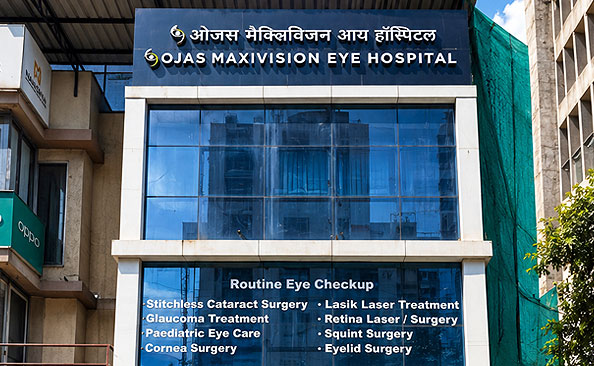
 Bandra
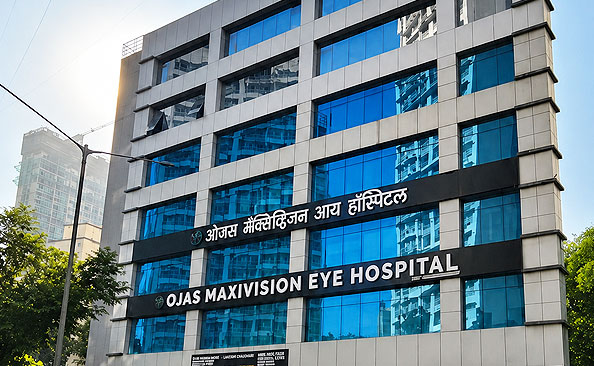 Kandivali
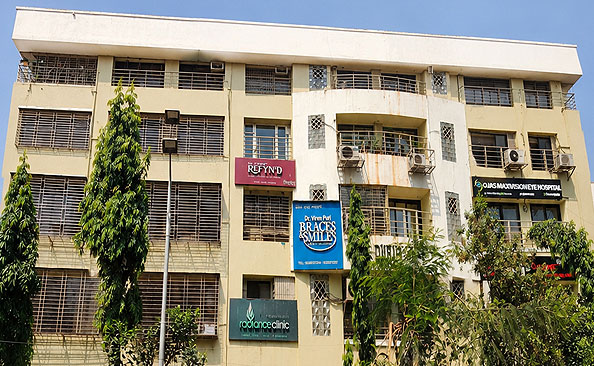 Juhu
Juhu
What Is Myopia Treatment?
Myopia, commonly known as short-sightedness or near-sightedness, is a vision condition in which nearby objects appear clear while distant objects look blurred. It occurs when the cornea has excessive curvature, causing light rays to focus in front of the retina instead of directly on it.
Myopia is becoming increasingly common worldwide, especially among children and young adults. In many cases, myopia gradually progresses during childhood and adolescence before stabilizing in adulthood. If left unmanaged, progressive myopia may increase the risk of serious eye conditions later in life, including retinal detachment, glaucoma, cataracts and myopic macular degeneration.
At Ojas Maxivision Eye Hospital in Mumbai, our eye specialists use advanced diagnostic tools to evaluate the severity of myopia and recommend personalized treatment plans aimed at improving vision and slowing disease progression.
How Does Myopia Treatment Help Improve Vision?
Myopia treatment helps focus light correctly onto the retina, allowing patients to see distant objects more clearly. In children, modern myopia control treatments can also help slow the progression of myopia and reduce the risk of developing high myopia in the future.
Myopia treatment may help:
- Improve distance vision.
- Reduce blurred vision.
- Enhance sports and outdoor activities.
- Improve academic and daily performance.
- Reduce eye strain and visual fatigue.
- Improve quality of life.
- Slow the progression of myopia in children.
- Lower the risk of complications associated with high myopia.
Early diagnosis and timely management play an important role in protecting long-term visual health.
Why Is Myopia Treatment Performed?
The primary goal of myopia treatment is to improve vision and when possible, slow the progression of myopia. Children with increasing myopia may benefit from early intervention to reduce future vision-related complications.
Treatment may be recommended if a patient:
- Experiences difficulty seeing distant objects clearly.
- Experiences headaches related to visual strain.
- Has worsening spectacle power over time.
- Squints frequently to see better.
- Shows rapid progression of myopia during childhood.
- Has difficulty seeing classroom boards, road signs or distant screens.
- Wants alternatives to conventional glasses in suitable cases.
- Has high myopia requiring regular monitoring.
Timely treatment can help improve visual performance while supporting long-term eye health.
Note: While glasses and contact lenses improve vision, myopia control treatments can help slow worsening eyesight in children and adolescents.
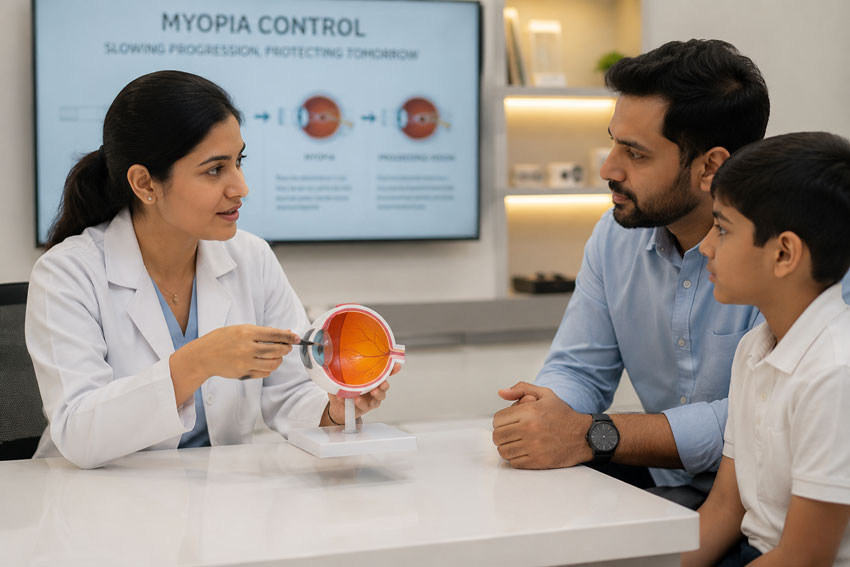
Why Is Myopia Treatment Considered Important for Long-Term Eye Health?
Myopia is not simply a need for stronger glasses. Progressive myopia can increase the risk of several sight-threatening eye diseases later in life. The higher the degree of myopia, the greater the potential risk of developing complications affecting the retina and other structures of the eye.
Purpose of Myopia Treatment
Improves visual clarity
Helps patients see distant objects more clearly.
Supports normal development in children
Clear vision is essential for learning, social interaction and overall development.
Slows myopia progression
Specialized treatments can help reduce the rate at which myopia worsens.
Reduces future eye health risks
May lower the likelihood of developing high myopia-related complications.
Enhances quality of life
Better vision can improve confidence, academic performance and daily functioning.
Protects long-term vision
Early treatment can help keep your eyes healthy and your vision clear for the future.
Modern myopia management focuses not only on correcting vision but also on protecting future eye health.
Who Can Benefit from Myopia Treatment?
People of all ages can benefit from myopia treatment. Early treatment in children may help slow myopia progression, while adults can improve their vision and reduce their need for glasses or contact lenses.
Myopia treatment may benefit:
- Children with newly diagnosed myopia.
- Teenagers with progressive myopia.
- Adults with short-sightedness.
- Children experiencing rapidly increasing spectacle power.
- Individuals struggling with distance vision.
- Students experiencing classroom vision difficulties.
- Individuals with a family history of high myopia.
- Professionals who rely on clear distance vision.
- Patients interested in myopia control options.
A detailed eye examination helps determine the most appropriate treatment strategy for each patient.
Who May Not Be Suitable for Certain Myopia Treatments?
While many myopia treatments are safe and effective, not every treatment option is suitable for every patient. Factors such as age, degree of myopia, eye health, corneal condition and lifestyle requirements influence treatment selection.
Alternative approaches may be required for:
- Patients with active eye infections.
- Patients with certain corneal disorders.
- Individuals with significant dry eye disease.
- Individuals with uncontrolled eye inflammation.
- Patients with unstable vision requiring further evaluation.
- Adults who may not meet eligibility criteria for refractive surgery.
- Children who may not be suitable candidates for contact lens-based therapies.
Our eye specialist carefully assesses each patient's eye health before recommending the safest and most effective treatment plan. The most appropriate myopia treatment is always personalized based on individual visual needs, age and long-term eye health goals.
What Symptoms May Indicate the Need for Myopia Treatment?
Myopia usually develops gradually and may worsen over time, particularly during childhood and teenage years. Early detection and timely treatment can help improve vision and reduce the risk of progressive myopia.
Common symptoms that may indicate the need for myopia treatment include:
- Blurred distance vision.
- Squinting to see distant objects clearly.
- Frequent changes in spectacle prescription.
- Eye fatigue after visual tasks.
- Frequent headaches caused by eye strain.
- Difficulty reading road signs or classroom boards.
- Sitting very close to televisions or digital screens.
- Holding books or mobile devices very close to the eyes.
- Reduced performance in school due to vision difficulties.
- Difficulty seeing clearly while driving, especially at night.
Anyone experiencing these symptoms should undergo a thorough eye examination to determine whether myopia is present and whether treatment is needed.
What Are the Different Types of Myopia Treatment?
Myopia (nearsightedness) can be managed with several treatment options that help improve vision and in some cases, slow the progression of the condition. The best treatment depends on factors such as age, eye health, lifestyle and the severity of myopia. Myopia treatments are broadly divided into non-surgical and surgical options.
Non-Surgical Myopia Treatments
- Eyeglasses: Prescription glasses are the simplest and most common way to correct myopia. They help focus light properly on the retina, allowing you to see distant objects more clearly. Single-vision lenses are commonly used for distance vision correction, while bifocal or progressive lenses may be recommended for people who need both near and distance vision support.
- Contact Lenses: Contact lenses provide clear vision without the need for glasses and offer a wider field of view. Soft contact lenses are comfortable for everyday use, while rigid gas permeable (RGP) lenses may provide sharper vision, especially in higher degrees of myopia.
- Orthokeratology (Ortho-K): Orthokeratology uses specially designed contact lenses worn overnight to gently reshape the cornea. This temporary reshaping allows clear vision during the day without glasses or contact lenses. Ortho-K may also help slow myopia progression in some children.
- Myopia Control Lenses: Specialized spectacle lenses and contact lenses are designed to slow the worsening of myopia in children and teenagers. These lenses help manage eye growth while providing clear vision.
- Low-Dose Atropine Eye Drops: Low-dose atropine eye drops may be prescribed for children with progressive myopia. Research shows that these drops can help slow excessive eye growth and reduce the rate of myopia progression.
- Eye Exercises and Visual Habits: Although eye exercises cannot cure or reverse myopia, they may help reduce eye strain and improve visual comfort. Regular breaks from screens, focusing on distant objects, and maintaining healthy visual habits can support overall eye health.
Surgical Myopia Treatments
- LASIK and Other Laser Vision Correction Procedures: Laser eye surgeries such as LASIK, SMILE, SILK, Contoura Vision, Custom Eyes LASIK and PRK reshape the cornea to correct refractive errors. These procedures can significantly reduce or eliminate the need for glasses or contact lenses in suitable candidates.
- PRK (Photorefractive Keratectomy): PRK is a laser vision correction procedure often recommended for people with thinner corneas. While recovery may take slightly longer than LASIK, it can provide excellent long-term visual results.
- Implantable Collamer Lens (ICL) Surgery: ICL surgery involves placing a specially designed lens inside the eye without removing the natural lens. It is often recommended for individuals with moderate to high myopia or those who may not be suitable candidates for laser vision correction.
- Refractive Lens Exchange (RLE): RLE involves replacing the eye's natural lens with an artificial intraocular lens to correct vision. This option may be considered for adults with high refractive errors or age-related vision changes.
When Should You Consider Surgical Treatment for Myopia?
Surgical treatment for myopia may be a suitable option if:
- You want to reduce or eliminate your dependence on glasses or contact lenses.
- Your myopia prescription has remained stable for at least one year.
- You are over 18 years of age and have healthy eyes.
- You do not have eye conditions such as glaucoma, severe dry eyes, cataracts or certain retinal disorders.
- You are looking for a long-term vision correction solution.
Before deciding on surgery, it is important to undergo a complete eye examination. An experienced ophthalmologist can assess your eye health, prescription stability and lifestyle needs to recommend the most suitable vision correction treatment for you.
How to Choose the Right Myopia Treatment for You?
The most suitable myopia treatment depends on your age, prescription, eye health and visual needs. While glasses and contact lenses correct blurry vision, treatments such as myopia control lenses, atropine eye drops and Ortho-K may help slow myopia progression in children. Surgical options can provide long-term vision correction for eligible adults. A detailed eye examination and consultation with an eye specialist can help determine the most appropriate treatment for your eyes and lifestyle.
How Is Myopia Treatment Performed?
The treatment process begins with a detailed assessment of the patient's vision and eye health. The evaluation helps determine the severity of myopia and identify the most appropriate treatment approach.
Step-by-Step Evaluation Process
- Detailed eye examination.
- Visual acuity assessment.
- Refraction testing.
- Corneal evaluation.
- Retinal examination.
- Measurement of myopia progression.
- Axial length assessment (when indicated).
- Review of lifestyle and visual habits.
- Selection of a personalized treatment plan.
For children undergoing myopia management, regular follow-up visits are often recommended to monitor progression and adjust treatment when necessary.
What Are the Benefits of Myopia Treatment?
Myopia treatment offers several important benefits by improving visual clarity and helping protect long-term eye health.
Benefits of myopia treatment may include:
- Clearer distance vision.
- Reduced eye strain and headaches.
- Improved academic performance in children.
- Slower progression of myopia in children.
- Better participation in sports and outdoor activities.
- Improved confidence and daily functioning.
- Improved quality of life.
- Lower risk of complications associated with high myopia.
- Reduced dependence on corrective eyewear in suitable adults.
Early treatment often provides the greatest long-term benefits.

What Are the Risks and Side Effects of Myopia Treatment?
Most myopia treatments are safe when prescribed and monitored by qualified eye specialists. However, some treatments may have temporary side effects or limitations.
Possible risks and side effects may include:
- Temporary eye irritation
- Light sensitivity
- Dry eyes
- Temporary blurred vision during adaptation
- Mild discomfort with contact lens use
- Allergic reactions to certain eye drops (rare)
- Temporary visual disturbances following refractive surgery
- Contact lens-related infections if proper hygiene is not maintained
Most side effects can be effectively managed with proper care and regular follow-up.
What Are the Important Aftercare Tips Following Myopia Treatment?
Proper eye care and healthy visual habits can help support treatment success and maintain long-term eye health.
- Spend more time outdoors: Research suggests that spending adequate time outdoors may help reduce the risk of myopia progression in children.
- Follow the 20-20-20 rule: When using digital devices, look at something 20 feet away for 20 seconds every 20 minutes to reduce eye strain.
- Maintain proper reading distance: Avoid holding books, tablets or mobile phones too close to your eyes.
- Use corrective devices as advised: Wear glasses or contact lenses according to your eye specialist's recommendations.
- Follow medication instructions: Use atropine eye drops or other prescribed medications exactly as directed.
- Maintain good contact lens hygiene: Clean and store contact lenses properly to reduce the risk of infection.
- Attend regular eye examinations: Routine eye check-ups help monitor vision changes and ensure timely treatment adjustments.
- Maintain a healthy lifestyle: A balanced diet, proper hydration and adequate sleep support overall eye health.
- Report vision changes promptly: Consult your eye specialist if you notice worsening vision, headaches or any unusual eye symptoms.
Following these simple measures can help support healthy vision and long-term myopia management.
Book Your Appointment for Myopia Treatment in Mumbai at Ojas Maxivision Eye Hospital
If you or your child are experiencing blurred distance vision, frequent changes in spectacle power or signs of progressive myopia, an early eye examination can help protect long-term visual health.
At Ojas Maxivision Eye Hospital, our experienced ophthalmologists provide detailed myopia evaluation, advanced diagnostic testing and personalized treatment plans for children and adults. If you are looking for an eye hospital in Mumbai or seeking expert myopia treatment in Mumbai, our team is committed to helping you achieve clearer vision and healthier eyes.
Frequently Asked Questions About Myopia Treatment
Myopia cannot usually be permanently cured with medications. However, vision can be effectively corrected with glasses, contact lenses and refractive procedures such as LASIK, SMILE or ICL surgery. In children, myopia control treatments may help slow the progression of the condition.
Myopia is diagnosed through a detailed eye examination. The evaluation usually includes visual acuity testing, refraction assessment and a detailed eye health examination to determine the degree of nearsightedness and identify any associated eye conditions.
Yes. Low-dose atropine eye drops are widely used to help slow myopia progression in children. When prescribed and monitored by an eye specialist, they can be an effective part of a comprehensive myopia management plan.
High myopia is a severe form of nearsightedness, usually defined as a prescription of -6.00 diopters or higher. People with high myopia have an increased risk of developing eye conditions such as retinal detachment, glaucoma, cataracts and myopic macular degeneration.
Controlling myopia is important because excessive progression can increase the risk of serious eye complications later in life. Effective myopia management may help reduce the likelihood of retinal problems, glaucoma, cataracts and other vision-threatening conditions.
The cost of myopia treatment depends on the patient's age, degree of myopia, diagnostic testing required and the treatment option selected. A detailed consultation is recommended to determine the most appropriate treatment plan and associated costs. Please contact us for personalized guidance.
Ojas Maxivision Eye Hospital offers cashless treatment facilities for eligible eye procedures through selected insurance providers and empanelled organizations. The hospital is empanelled with CGHS, RBI, NABARD and BSNL. Patients are advised to contact the hospital in advance to verify their insurance eligibility, treatment coverage, approval requirements and cashless benefits before planning a consultation or procedure.
Ojas Maxivision Eye Hospital has multiple centres across Mumbai, Maharashtra, including Bandra (West), Kandivali (East) and Juhu, providing comprehensive eye care services and advanced myopia treatment solutions for children and adults.