


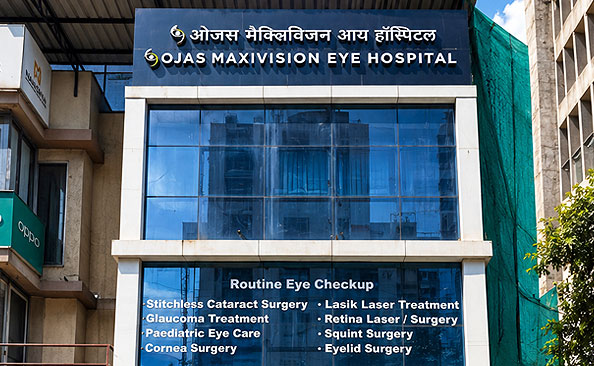
 Bandra
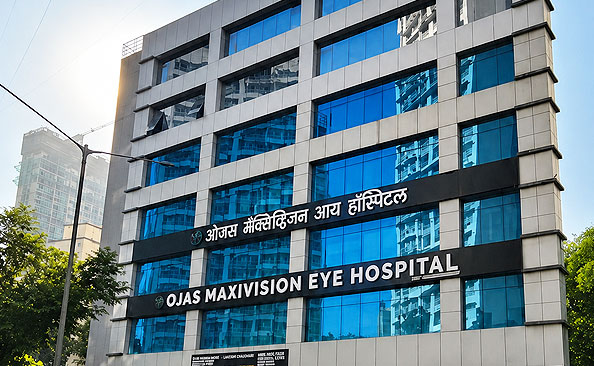 Kandivali
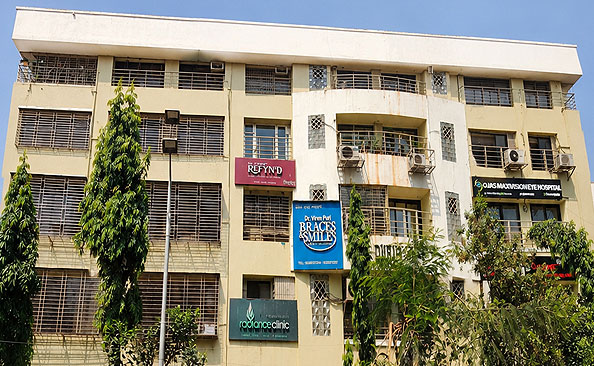 Juhu
Juhu
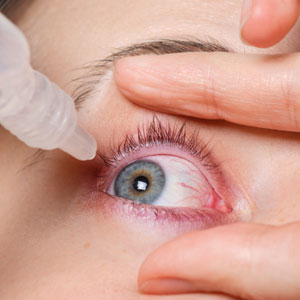
What Is Dry Eye Treatment?
Dry eye treatment focuses on managing a common eye condition known as dry eye disease, which occurs when the eyes do not produce enough tears or when the tears evaporate too quickly. Tears play an essential role in keeping the eyes moist, comfortable and protected. They also help maintain clear vision by creating a smooth surface over the cornea.
When the tear film becomes unstable, the eyes may feel dry, irritated, gritty or uncomfortable. Some people may even experience blurred vision, sensitivity to light or excessive watering of the eyes. Although dry eye may seem like a minor problem initially, untreated dry eye disease can affect the surface of the eye and interfere with everyday activities such as reading, driving, using digital devices and working for long hours.
Dry eye disease can affect people of all ages but is more commonly seen in older adults, frequent screen users, contact lens wearers and individuals with certain medical conditions. And during summer, spending long hours in air-conditioned rooms can cause dry eyes.
At Ojas Maxivision Eye Hospital in Mumbai, our eye specialists use advanced diagnostic procedures to identify the underlying cause of dry eye and develop a personalized treatment plan that focuses on long-term relief and improved eye comfort.
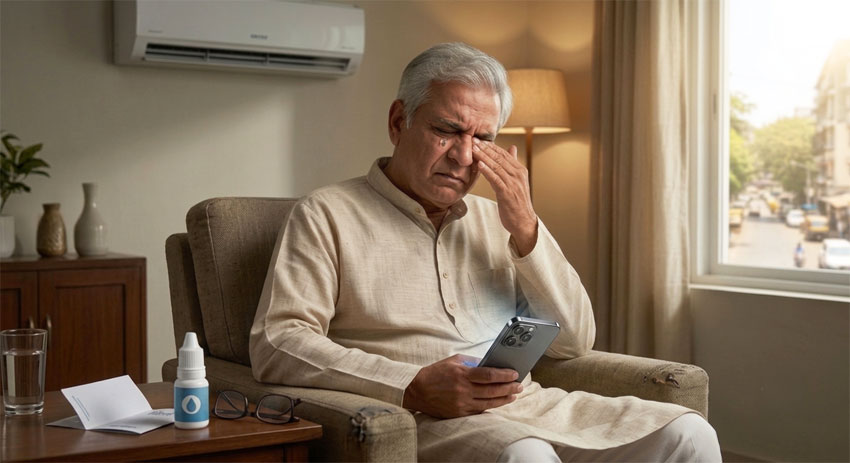
How Does Dry Eye Treatment Help Improve Eye Comfort and Vision?
Dry eye treatment aims to restore a healthy tear film and protect the ocular surface. By addressing the underlying cause of dryness, treatment can significantly improve comfort and visual quality.
Dry eye treatment may help:
- Improve tear production
- Restore moisture to the eye surface
- Reduce tear evaporation
- Relieve burning and irritation
- Reduce redness and inflammation
- Improve visual clarity
- Minimize eye fatigue
- Improve contact lens tolerance
- Enhance comfort during screen use
- Protect the cornea from long-term damage
A healthy tear film is important not only for comfort but also for maintaining clear and stable vision throughout the day.
Why Is Dry Eye Treatment Performed?
Dry eye treatment is performed to relieve symptoms, improve tear film stability and prevent damage to the ocular surface.
Treatment may be recommended if a patient:
- Experiences persistent eye dryness
- Has burning or stinging sensations in the eyes
- Feels as though something is stuck in the eye
- Develops redness and irritation
- Experiences fluctuating or blurry vision
- Has excessive tearing despite feeling dry
- Experiences discomfort while using digital screens
- Has difficulty wearing contact lenses
- Suffers from meibomian gland dysfunction
- Has chronic ocular surface inflammation
Without proper treatment, dry eye disease may gradually worsen and affect both eye comfort and visual performance.
Note: The primary goal of dry eye treatment is to improve tear film quality, reduce symptoms and protect the surface of the eye. Early treatment can help prevent long-term complications and improve quality of life.
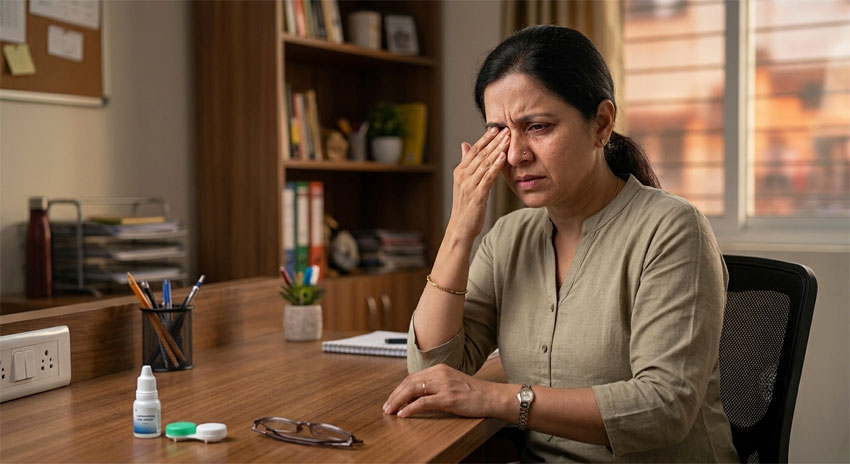
Why Is Dry Eye Treatment Considered Important for Long-Term Eye Health?
Dry eye disease is often a chronic condition that may worsen over time if left untreated. Persistent dryness can lead to inflammation, damage to the corneal surface and ongoing visual discomfort.
Purpose of dry eye treatment:
Improves tear stability: Helps maintain consistent eye lubrication.
Relieves chronic discomfort: Helps reduce burning, irritation and grittiness.
Protects the ocular surface: Reduces damage caused by dryness and inflammation.
Enhances vision quality: Improves visual stability and reduces fluctuations.
Supports healthy meibomian glands: Encourages proper oil production in tears.
Reduces risk of corneal complications: Helps prevent surface damage and infection.
Improves productivity: Makes reading, driving and screen use more comfortable.
Enhances quality of life: Helps patients perform daily activities without constant eye discomfort.
Early diagnosis and treatment often lead to better dry eye symptom control and healthier eyes over the long term.
Who Can Benefit from Dry Eye Treatment?
Dry eye disease can affect individuals across different age groups. Anyone experiencing persistent symptoms should undergo a detailed eye examination to identify the cause and receive appropriate treatment.
Dry eye treatment may benefit:
- Adults experiencing chronic eye dryness
- Individuals over the age of 50
- People who spend long hours using computers, laptops or smartphones
- Women experiencing hormonal changes
- Contact lens wearers
- Individuals with meibomian gland dysfunction
- People recovering from certain eye surgeries
- Patients with autoimmune disorders such as Sjögren's syndrome
- Individuals exposed to air conditioning, pollution or dry environments
- Patients experiencing visual fluctuations related to dry eye disease
A detailed dry eye evaluation helps determine the most suitable treatment approach based on individual needs.
Who May Not Be Suitable for Certain Dry Eye Treatments?
While many patients benefit from dry eye treatment, some advanced procedures may not be appropriate for every individual. The most suitable treatment depends on the underlying cause of dryness, overall eye health and medical history.
Alternative treatment approaches may be required for:
- Patients with active eye infections
- Individuals with severe, untreated eyelid disease
- Patients with uncontrolled eye inflammation
- People with certain corneal disorders
- Individuals with specific allergies to treatment components
- Patients with severe ocular surface damage requiring specialized management
Our eye specialist performs a thorough evaluation before recommending any treatment to ensure safety and effectiveness.
What Symptoms May Indicate the Need for Dry Eye Treatment?
Dry eye disease can cause a wide range of symptoms that vary from mild irritation to significant discomfort. Symptoms may worsen during prolonged screen use, reading, driving or exposure to dry environments.
Common symptoms that might indicate the need for dry eye treatment include:
- Dryness and eye discomfort: A constant feeling of dryness is one of the most common symptoms. Many people describe it as a sensation that their eyes are not adequately lubricated.
- Gritty or sandy feeling: Many individuals report feeling as though sand, dust or a foreign particle is trapped inside the eye.
- Redness of the eyes: Inflammation caused by dry eye disease can lead to ongoing redness and irritation.
- Burning or stinging sensation: Patients may experience persistent burning, stinging or irritation, particularly towards the end of the day.
- Blurred or fluctuating vision: An unstable tear film can affect the way light enters the eye, leading to intermittent blurred vision that improves after blinking.
- Excessive watering: Although it may seem surprising, dry eyes can trigger reflex watering, causing the eyes to water excessively.
- Difficulty driving at night: Blurred vision, glare and eye fatigue may make nighttime driving more challenging.
- Eye fatigue: Dry eye disease can make reading, computer work and other visual tasks more tiring.
- Sensitivity to light: Bright lights, sunlight and vehicle headlights may become increasingly uncomfortable.
- Difficulty wearing contact lenses: Dryness can make contact lenses feel uncomfortable and reduce wearing time.
- Stringy mucus around the eyes: Some individuals may notice mucus strands around the eyelids or corners of the eyes.
- Discomfort during screen use: Symptoms often become more noticeable during prolonged use of computers, tablets and smartphones because blinking frequency decreases.
Anyone experiencing these symptoms should undergo a detailed dry eye assessment. Early diagnosis and timely treatment can help prevent complications and improve long-term eye comfort and vision.
What Are the Different Types of Dry Eye Treatment?
Dry eye treatment depends on the cause and severity of your symptoms. While mild cases often improve with artificial tears and lifestyle changes, moderate to severe dry eye may require advanced treatments to restore comfort and protect vision.
- Artificial tears and lubricating eye drops: Artificial tears are the most common treatment for dry eyes. These over-the-counter eye drops help keep the eyes moist, reduce irritation, and provide temporary relief from dryness, burning, and discomfort.
- Prescription medications: If inflammation is contributing to dry eye disease, your eye doctor may prescribe medicated eye drops. These medications help reduce inflammation and improve natural tear production. In some cases, oral medications may also be recommended.
- Tear-stimulating treatments: Certain medications, available as eye drops, tablets, gels or nasal sprays, can help stimulate the eyes to produce more natural tears, providing longer-lasting relief from dry eye symptoms.
- Punctal plugs: Punctal plugs are tiny devices placed in the tear drainage ducts to prevent tears from draining away too quickly. This helps keep the eyes lubricated for a longer period and can improve both natural and artificial tear retention.
- Eyelid and oil gland treatments: Blocked oil glands in the eyelids are a common cause of dry eyes. Warm compresses, eyelid cleaning, gland expression and advanced therapies such as thermal pulsation or intense pulsed light (IPL) treatment can help improve tear quality and reduce symptoms.
- Special contact lenses: For severe dry eye disease, specialized contact lenses such as scleral lenses may be recommended. These lenses help protect the surface of the eye, retain moisture and provide long-lasting comfort.
- Autologous serum eye drops: In severe cases that do not respond to standard treatments, eye drops made from a patient's own blood serum may be used. These drops contain natural healing components that support the eye's surface.
- Treatment of underlying conditions: Dry eyes can sometimes result from medical conditions, medications, or eyelid abnormalities. Treating the underlying cause is often essential for achieving long-term symptom relief and improving eye health.
- Nutritional support: A healthy diet can help support tear film stability and overall eye health. Eating omega-3-rich foods, consuming plenty of fruits and vegetables, maintaining a balanced diet, and staying well hydrated may help reduce dry eye symptoms and improve eye comfort in some individuals.
- Lifestyle and environmental management: Simple lifestyle changes can help reduce dry eye symptoms and improve eye comfort. These include blinking more often during screen use, taking regular breaks from digital devices, staying well hydrated, using a humidifier indoors, protecting your eyes from wind and dust, and managing underlying allergies. When combined with medical treatment, these measures can help support long-term relief and better eye health.
An eye specialist can recommend the most suitable treatment plan based on your symptoms, tear production and overall eye condition.
How Is Dry Eye Treatment Performed?
Dry eye treatment begins with identifying the underlying cause of symptoms. Since dry eye disease can have multiple contributing factors, a comprehensive evaluation is important before creating a treatment plan.
Step-by-step evaluation process
A detailed dry eye assessment may include:
- Complete eye examination
- Review of symptoms and medical history
- Tear film evaluation
- Tear production testing
- Ocular surface assessment
- Meibomian gland examination
- Eyelid health evaluation
- Corneal staining tests
- Assessment of tear evaporation
- Based on the findings, a personalized treatment plan is developed.
Treatment process
Depending on the cause and severity of dry eye disease, treatment may involve:
- Lubricating eye drops
- Prescription medications
- Eyelid hygiene therapy
- Meibomian gland treatment
- Punctal plug placement
- Long-term maintenance therapy
- Lifestyle and environmental modifications
Many dry eye treatments are performed on an outpatient basis, allowing patients to return home the same day.
What Are the Benefits of Dry Eye Treatment?
Dry eye treatment offers several important benefits by improving tear film stability, reducing symptoms and protecting the surface of the eye.
Benefits of dry eye treatment include:
- Relieves dryness and irritation
- Improves eye lubrication
- Reduces eye fatigue
- Enhances visual clarity
- Enhances quality of life
- Improves comfort during screen use
- Supports healthier tear production
- Improves contact lens tolerance
- Protects the cornea from damage
- Reduces burning and stinging sensations
- Supports long-term eye health
Patients often notice significant improvement in comfort and daily functioning after appropriate treatment.
What Are the Risks and Side Effects of Dry Eye Treatment?
Most dry eye treatments are safe and well tolerated when performed under the guidance of an experienced eye specialist. However, like any medical treatment, some temporary side effects may occur.
Possible side effects may include:
- Temporary blurred vision after eye drop use
- Mild eye irritation
- Temporary watering of the eyes
- Mild redness
- Sensitivity following certain procedures
- Temporary discomfort after punctal plug placement
- Allergic reactions to specific medications (rare)
- Localized inflammation (uncommon)
Serious complications are uncommon, especially when treatment is individualized and patients follow medical advice. Most side effects are mild and improve within a short period.
What Is the Recovery Process After Dry Eye Treatment?
Recovery depends on the type of treatment performed and the severity of the underlying condition.
Many patients experience gradual improvement in symptoms over days to weeks. In cases involving chronic inflammation or meibomian gland dysfunction, treatment may need to continue for a longer period to achieve optimal results.
Recovery may involve:
- Regular use of prescribed medications
- Improvement in tear film quality
- Reduction in inflammation
- Gradual relief from symptoms
- Consistent application of lubricating drops
- Scheduled follow-up appointments
Because dry eye disease is often a long-term condition, ongoing management may be necessary to maintain symptom relief and prevent recurrence.
What Are the Important Aftercare Tips Following Dry Eye Treatment?
Proper aftercare plays an important role in maintaining eye comfort and improving treatment outcomes.
- Use prescribed eye drops regularly: Follow the treatment schedule recommended by your eye specialist. Consistent use of lubricating or prescription eye drops can help maintain tear film stability.
- Practice good eyelid hygiene: Keeping the eyelids clean may help reduce inflammation and improve meibomian gland function.
- Take frequent screen breaks: Extended screen use reduces blinking frequency and may worsen dry eye symptoms. Follow a simple guideline of 20-20-20 rule, i.e. every 20 minutes, look 20 feet away for at least 20 seconds.
- Stay hydrated: Adequate hydration supports tear production and overall eye health.
- Protect your eyes from environmental irritants: Wear protective eyewear when exposed to wind, dust, smoke or air pollution.
- Manage underlying medical conditions: Conditions such as diabetes, thyroid disorders, autoimmune diseases and allergies may contribute to dry eye symptoms and should be managed appropriately.
- Avoid smoking: Smoking and second-hand smoke exposure can worsen tear film instability and eye irritation.
- Follow a healthy diet: A balanced diet rich in vitamins, antioxidants and omega-3 fatty acids may support healthy tear production and ocular surface health.
- Attend regular eye check-ups: Routine follow-up visits help monitor treatment progress and allow timely adjustments to your management plan.
- Contact your eye specialist: If you experience - worsening dryness, increasing redness, eye pain, sudden vision changes or persistent irritation despite treatment.
Following these simple measures can help improve comfort, support healing and maintain long-term eye health.
Book Your Appointment for Dry Eye Treatment in Mumbai at Ojas Maxivision Eye Hospital
If you are experiencing burning eyes, irritation, redness, fluctuating vision or persistent dryness, an early eye evaluation can help identify the cause and prevent long-term ocular surface damage.
At Ojas Maxivision Eye Hospital, our experienced eye specialists provide complete dry eye evaluation, advanced diagnostic testing and personalized treatment plans designed to improve comfort and protect your vision.
If you are looking for an eye hospital in Mumbai or seeking advanced dry eye treatment in Mumbai, our team is committed to providing expert eye care tailored to your needs.
Frequently Asked Questions About Dry Eye Treatment
Yes. Prolonged screen use reduces blinking, causing tears to evaporate faster. This can lead to dry eyes, eye strain, irritation and blurred vision. Taking regular breaks and blinking more often can help reduce symptoms.
Watery eyes are a common symptom of dry eye disease. When the eyes become irritated from dryness, they may produce reflex tears that do not provide enough lubrication to relieve the underlying problem.
Yes. Dry eye disease can cause blurred or fluctuating vision because an unstable tear film affects the eye's ability to focus clearly. Proper treatment can help improve visual quality and comfort.
Dry eye disease is diagnosed through a detailed eye examination that may include symptom evaluation, tear production testing, tear film assessment, corneal surface examination and meibomian gland evaluation.
You should consult an eye specialist if you experience persistent dryness, redness, burning, excessive tearing, blurred vision, light sensitivity, or symptoms that do not improve with lubricating eye drops.
The cost of dry eye treatment in Mumbai depends on several factors, including the severity of the condition, diagnostic tests required, treatment approach, medications and advanced procedures, if needed. A detailed eye evaluation helps determine the most suitable treatment plan and estimated cost. Please contact us by phone or email to schedule an appointment and receive personalized guidance.
Yes, Ojas Maxivision Eye Hospital offers cashless treatment facilities for various eye care services through selected insurance providers and empanelled organizations. The hospital is associated with multiple government and corporate panels, including CGHS, RBI, NABARD and BSNL. Patients are advised to contact the hospital in advance to confirm insurance eligibility, coverage details, approvals and documentation requirements before starting treatment.
Ojas Maxivision Eye Hospital has multiple centres across Mumbai, Maharashtra, including Bandra (West), Kandivali (East) and Juhu, offering complete eye care services, advanced diagnostic facilities and personalized dry eye treatment solutions for patients of all age groups under one roof.