


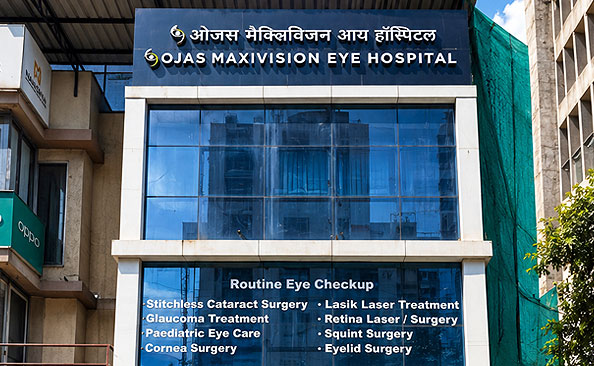
 Bandra
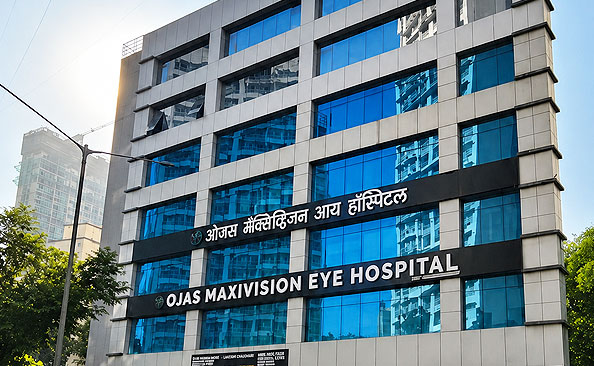 Kandivali
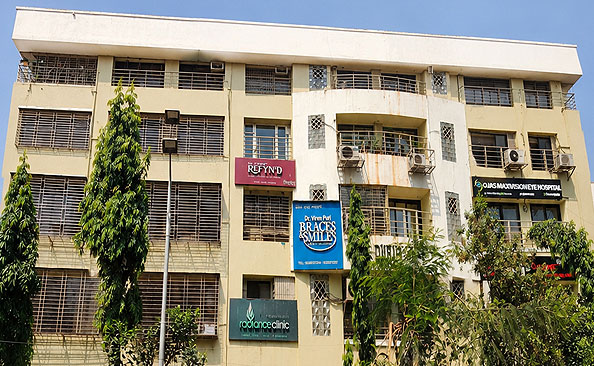 Juhu
Juhu
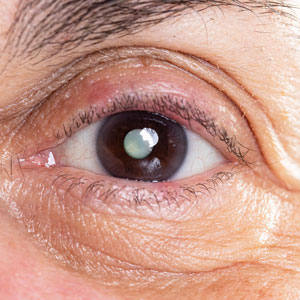
What Is Glaucoma?
Glaucoma develops when the optic nerve gets damaged. The optic nerve carries visual information from the eyes to the brain. Damage to this nerve can gradually reduce your field of vision, often starting from the sides.
In many cases, glaucoma is linked to increased pressure inside the eye (intraocular pressure - IOP), though other factors can also play a role. The eye produces a fluid called aqueous humor that nourishes it. This fluid normally flows through the pupil and drains through a mesh-like channel (trabecular meshwork) located where the iris and cornea meet.
In glaucoma, these drainage channels do not function properly, increasing resistance. As a result, the fluid cannot drain out and starts to build up inside the eye. This buildup raises eye pressure, which over time can damage the optic nerve and lead to glaucoma.
Glaucoma may develop slowly over time (chronic glaucoma) or appear suddenly (acute glaucoma). If left untreated, it can lead to permanent vision loss or blindness. Because early glaucoma usually has no symptoms, regular eye check-ups are essential for timely diagnosis and management. The exact cause of fluid buildup may vary depending on the type of glaucoma.
What Are the Glaucoma Symptoms You Should Not Ignore?
Glaucoma often develops silently, but certain warning signs should never be ignored. Glaucoma symptoms vary depending on the type of glaucoma.
Common symptoms of glaucoma include:
- Loss of side (peripheral) vision: Slow narrowing of side vision, i.e. where you can only see straight ahead, leading to “tunnel vision.”
- Blurred vision: Vision may appear hazy or unclear, especially during sudden increases in eye pressure.
- Halos around lights: Seeing rainbow-colored rings around lights, particularly at night or in dim lighting.
- Frequent prescription changes: Needing to change glasses frequently due to fluctuating vision.
- Eye discomfort or pain: Mild to moderate aching around the eyes or head or in some cases, severe eye pain due to increased pressure.
- Persistent headache: High intraocular pressure can cause headaches, often along with eye strain.
- Eye redness: Ongoing redness may indicate pressure buildup or inflammation inside the eye.
- Nausea and vomiting: In acute cases, sudden pressure rise can cause nausea, vomiting and severe discomfort.
- Difficulty focusing nearby (early presbyopia-like symptoms): Trouble focusing on close objects may be an early sign in some cases.
These symptoms may appear gradually or suddenly, depending on the type of glaucoma. If you notice any of these symptoms, consult an eye specialist immediately to avoid permanent vision damage.
When Should You See an Eye Specialist for Glaucoma?
Routine eye examinations are the best way to detect glaucoma early. You should see an eye specialist if:
- You are over 40, especially with a family history of glaucoma.
- You have diabetes, high blood pressure or other eye diseases.
- You notice vision changes, blurred vision or halos around lights.
- You experience severe eye pain, nausea or sudden vision loss.
Early consultation with an eye specialist ensures your eyes are carefully monitored and treated before irreversible damage occurs.
What Causes Glaucoma?
Glaucoma mainly occurs due to damage to the optic nerve, most often caused by increased eye pressure (intraocular pressure) from fluid buildup when the eye’s drainage system does not work properly. This happens when the outflow of aqueous fluid is blocked, leading to pressure buildup that gradually damages nerve fibers and affects vision.
In some cases, glaucoma can also develop even with normal pressure due to reduced blood supply or increased sensitivity of the optic nerve.
Risk factors that may contribute include:
- Aging: The risk of glaucoma increases with age, especially after 40.
- Family history: Genetics play an important role in the development of glaucoma.
- Medical conditions: Diabetes, high blood pressure and heart disease increase the risk.
- Eye injury: Trauma can raise the likelihood of developing glaucoma.
- Long-term steroid use: Certain medications can increase eye pressure, leading to glaucoma.
- Other eye conditions: Severe myopia or previous eye surgery can increase the risk of glaucoma.
- Poor fluid drainage: If there is a blockage in the eye’s drainage system, this can lead to fluid buildup and increased pressure.
- Birth defects: Abnormal development of the eye’s drainage system can cause glaucoma in children.
- Eye infections: Severe infections may cause inflammation and scarring, affecting fluid drainage and thus causing glaucoma.
- Blood vessel blockage: Poor circulation inside the eye can increase the risk of optic nerve damage, leading to glaucoma.
- Inflammatory conditions: Disorders like uveitis can lead to secondary glaucoma.
Glaucoma often develops due to a combination of risk factors, so regular eye check-ups are important.
Since glaucoma often has no early symptoms, regular eye check-ups are essential for early detection and preventing vision loss.
Did You Know?
- Glaucoma is called the "silent thief of sight" because it often has no early symptoms.
- Glaucoma can occur in 1 eye or both eyes.
- It is one of the leading causes of blindness in India and worldwide.
- Early diagnosis through routine eye exams is the best way to prevent vision loss.
- Modern glaucoma treatments can slow or stop progression, preserving your sight.
What Are the Different Types of Glaucoma?
Glaucoma is not a single disease but a group of eye conditions that damage the optic nerve and vision. It is classified into different types based on how eye fluid drains and pressure builds up.
There are several types of glaucoma, but most fall into a few main categories:
Primary Open-Angle Glaucoma
It is the most common type and usually has no early symptoms. Poor fluid drainage increases eye pressure, gradually damaging the optic nerve and causing slow, irreversible vision loss.
Angle-Closure Glaucoma
It occurs when fluid flow is blocked, often because the lens pushes forward and narrows or closes the drainage angle, leading to increased pressure, causing severe pain. It is a medical emergency that needs immediate treatment.
Secondary Glaucoma
It usually develops due to an eye injury or other condition like cataracts or eye tumors. It can also occur as a side effect of medications such as corticosteroids and in rare cases, after eye surgery complications.
Congenital Glaucoma
It is often inherited and occurs due to abnormal eye development during pregnancy, where a child is born with a defect in the eye’s drainage angle, affecting normal fluid flow.
Normal-Tension Glaucoma
In some cases, optic nerve damage can occur even without high eye pressure. This is called Normal-tension glaucoma. It may be linked to reduced blood flow or increased sensitivity of the optic nerve.
Other types of glaucoma include the following:
Lens-Induced Glaucoma
It occurs when changes in the eye’s lens block normal fluid drainage.
Malignant Glaucoma
A rare but serious condition that may develop after eye surgery and can lead to rapid vision loss.
Pigmentary Glaucoma
It is a type of open-angle glaucoma where pigment particles block the drainage channels.
Acute Congestive Glaucoma
In this there is a sudden and painful rise in eye pressure that requires urgent care.
Angle Recession Glaucoma
It develops after an eye injury that damages the drainage angle.
Pseudo exfoliation Glaucoma
It occurs when flaky material builds up in the eye and blocks fluid drainage.
Each type progresses differently, so accurate diagnosis by an eye specialist is essential.
How Is Glaucoma Diagnosed?
Glaucoma is diagnosed through a detailed eye exam that helps detect damage early, even before symptoms appear. A complete eye examination is required to detect glaucoma. Common tests include:
- Tonometry: Measures intraocular pressure using a device or air puff to detect elevated eye pressure, a major risk factor for glaucoma.
- Dilated eye exam (ophthalmoscopy): Uses special drops to widen pupils, allowing the doctor to examine the optic nerve for signs of damage.
- Perimeter: A visual field test that checks peripheral vision and identifies blind spots caused by glaucoma-related nerve damage over time.
- Optical Coherence Tomography (OCT): Advanced imaging test that captures detailed cross-sectional images of the optic nerve to detect early structural damage and nerve fiber thinning.
- Gonioscopy: Uses a special contact lens to examine the eye’s drainage angle and determine whether it is open or closed.
- Pachymetry: Measures corneal thickness, helping interpret eye pressure readings accurately, as thinner corneas may underestimate true intraocular pressure levels.
Glaucoma often has no early symptoms and vision loss cannot be reversed. Regular eye check-ups help in early diagnosis, allowing timely treatment and preventing irreversible vision loss.
What Are the Available Glaucoma Treatment Options?
Glaucoma has different types and treatment depends on the severity and cause. Doctors may recommend medications, laser therapy or surgery to control eye pressure and protect vision. Glaucoma treatment aims to reduce eye pressure and protect the optic nerve.
Medications
Eye drops are usually the first line of treatment. They help reduce eye pressure either by lowering fluid production or improving drainage.
- Alpha-adrenergic agonists: They lower fluid production and improve drainage.
- Beta blockers: They reduce fluid production and are used once or twice daily.
- Prostaglandins: They lower intraocular pressure in your eyes and are usually used once daily.
- Miotics (cholinergic agents): They help in better fluid drainage but are used less often due to side effects.
- Carbonic anhydrase inhibitors: It decreases fluid formation in the eye.
Note: Always use eye drops as prescribed, as they may have side effects.
Oral Medications
If eye drops are not enough, doctors may prescribe medicines like Acetazolamide to further reduce eye pressure.
Laser Treatment
Laser procedures are commonly used to improve fluid drainage from the eye.
- Laser trabeculoplasty: Used for open-angle glaucoma to enhance drainage.
- YAG peripheral iridotomy: Used for angle-closure glaucoma to create a small opening in the iris and improve fluid flow.
Surgical Treatment
Surgery is considered when medications and lasers are not effective.
- Trabeculectomy: In this procedure, a new drainage pathway is created to reduce eye pressure.
- Drainage tube (shunt) surgery: In this procedure, a tube is inserted to help remove excess fluid from the eye.
- Minimally Invasive Glaucoma Surgery (MIGS): In this procedure, small devices and tiny incisions are used to lower eye pressure and ensure quicker recovery.
Common MIGS techniques include:
- iStent: In this procedure, a tiny implant is placed in the eye to improve fluid drainage
- Canaloplasty: In this procedure, the eye’s natural drainage canal is widened to improve fluid outflow.
- Kahook Dual Blade goniotomy: In this procedure, blockage in the drainage system is removed to enhance fluid outflow.
While glaucoma cannot always be cured, early treatment and regular follow-ups can effectively control eye pressure and prevent further vision loss.
Key points to know:
- Most glaucoma treatments aim to control eye pressure and results depend on timely diagnosis and regular care.
- The choice of treatment - medicines, laser or surgery - depends on the type and severity of Glaucoma.
- Glaucoma treatment is generally safe, but like any procedure, minor risks such as infection or inflammation may occur.
When Should I Get Glaucoma Surgery?
Glaucoma surgery is advised when intraocular pressure cannot be controlled with medications or laser treatment to prevent further vision damage. It is usually recommended in moderate to advanced cases, rapidly worsening disease or when patients cannot tolerate eye drops.
Signs you may need surgery:
- Uncontrolled eye pressure: When medicines and laser fail to reduce pressure adequately.
- Progressive vision loss: When there is ongoing damage to the optic nerve despite treatment.
- Medication intolerance: When there are side effects or discomfort from long-term eye drop use.
- Advanced or fast-progressing glaucoma: If there is a severe or aggressive form of Glaucoma.
- Poor treatment compliance: When there is difficulty in following regular medication schedules.
- Emergency cases: Like sudden angle-closure glaucoma requires urgent surgical intervention.
The goal of the surgery is to lower eye pressure and preserve remaining vision as glaucoma cause reversible vision loss, vision one lost cannot be recognized. Regular monitoring is essential after surgery to ensure stable eye pressure.
It is advisable to consult your eye specialist for regular check-ups and proper guidance. Avoid delaying too long, as postponing surgery may make treatment more challenging later.
Things to consider:
- Early treatment is important as it helps slow the progression of glaucoma.
- Regular follow-ups are essential to monitor intraocular pressure.
- Sticking to treatment and using prescribed eye drops consistently is important.
- Long-term care is needed as glaucoma requires ongoing management.
How to Prepare for Glaucoma Surgery?
Preparing for glaucoma surgery involves a few simple but important steps to ensure a smooth procedure and recovery.
Before Surgery
- Medical evaluation: Your eye specialist will perform a detailed eye check-up to assess intraocular pressure and plan the procedure.
- Medication adjustments: Inform your doctor about all medicines. You may need to stop blood thinners under guidance while continuing essential medications as advised.
- Eye drops: Use any prescribed pre-surgery eye drops as instructed.
- Arrange transport: Plan for someone to accompany you, as you will not be able to drive after the procedure.
Day Before and Day of Surgery
- Fasting: Avoid eating or drinking anything after midnight before surgery.
- Hygiene care: Do not use makeup, lotions, perfumes or hair products on the day of surgery.
- Comfortable clothing: Wear loose, comfortable clothes, preferably front-open cloths.
- Carry essentials: Bring ID, medical records and a list of current medications.
Preparing at Home
- Rest area: Set up a comfortable space to relax with your head slightly elevated.
- Basic supplies: Keep necessary items like prescribed medicines and pain relievers ready.
- Easy access: Place daily essentials within reach to avoid unnecessary movement.
Will You Need Glasses After Glaucoma Surgery?
Yes, you may need a change in your glasses prescription after glaucoma surgery, as the procedure can slightly alter the shape of the eye and affect vision. It is common to experience blurred vision for a few weeks, and doctors usually advise waiting until the eye stabilizes - often up to 2 to 3 months, before getting new glasses.
Points about glasses after surgery:
- Vision may remain unclear for a few weeks after surgery.
- Some procedures can lead to changes in vision, including astigmatism, requiring new glasses.
- It is best to wait until healing is complete before updating your prescription.
- Sunglasses or temporary reading glasses can help manage light sensitivity during recovery.
- Contact lenses should be avoided initially to allow proper healing.
- If glaucoma surgery is combined with cataract surgery, a new prescription is usually required.
- Wearing protective glasses or an eye shield may be recommended, especially during sleep.
- Regular follow-ups are important to monitor healing and determine when you need new glasses.
What Are the Possible Side Effects and Risks of Glaucoma Surgery?
Glaucoma surgery is effective in lowering intraocular pressure to protect vision, but like any procedure, it has some risks and side effects.
Common temporary side effects could be:
- Mild discomfort, redness and irritation in the eye
- Temporary blurred vision during the healing phase
- Increased sensitivity to light
Contact your doctor immediately if:
- There is severe or persistent eye pain
- There is a sudden decrease in vision
- There is increasing redness or discharge
- There is a headache with nausea
What Questions Should You Ask Your Eye Specialist?
When diagnosed with glaucoma, it is important to ask the right questions to understand your condition, treatment plan and how to protect your vision long-term. Focus on knowing your type of glaucoma, target eye pressure and ways to prevent further damage.
You can ask your doctor these simple questions:
- What type of glaucoma do I have?
- How much damage has occurred to my optic nerve?
- Is my vision loss permanent or likely to worsen?
- What treatment options are best for me (eye drops, laser, or surgery)?
- What are the possible side effects and how can I manage them?
- How often should I come for check-ups?
- What symptoms need immediate medical attention?
Ask your doctor to clearly explain or write down your treatment plan, as following it regularly is essential to protect your vision.
Can I Prevent Glaucoma?
Glaucoma cannot be completely prevented, but early detection through regular eye exams can help avoid vision loss. While the disease may still develop, its progression can be slowed by controlling eye pressure and maintaining a healthy lifestyle.
Prevention and management tips:
- Regular eye exams: Essential, especially after 40 or if you have a family history.
- Manage health conditions: Control diabetes and blood pressure to protect the optic nerve.
- Exercise regularly: Moderate activity can help lower eye pressure, but avoid heavy lifting or inverted positions.
- Healthy diet: Eat foods rich in antioxidants like leafy greens and fruits and avoid smoking.
- Follow treatment: Use prescribed medications exactly as advised to prevent worsening.
Consult an eye specialist to create a plan suited to your condition and lifestyle.
Book Your Glaucoma Consultation at Ojas Maxivision Eye Hospital
At Ojas Maxivision Eye Hospital in Mumbai, we provide advanced and personalized glaucoma care. Our expert ophthalmologists use the latest technology to diagnose and manage all types of glaucoma. Trust us for safe, effective and reliable care.
If you are concerned about your vision, don’t wait. Early diagnosis is important. Book your appointment today at the leading eye hospital in Mumbai for your glaucoma treatment in Mumbai. Protect your vision and live clearly.
Frequently Asked Questions About Glaucoma
Yes, untreated glaucoma can permanently damage the optic nerve, causing irreversible vision loss and blindness. However, with early diagnosis and timely treatment, such as eye drops, laser or surgery, vision loss can usually be prevented.
Early glaucoma often has no symptoms. Some people may notice slight peripheral vision loss or difficulty seeing in dim light.
Glaucoma cannot be completely cured, but early diagnosis and proper treatment can control the condition and prevent further vision loss.
Yes, when the glaucoma eye drops are used correctly, they help to lower the intraocular pressure and prevent optic nerve damage.
After the age of 40, it is generally recommended to have a complete eye examination every 1 to 2 years, even if you do not have any symptoms. This helps in the early detection of conditions like glaucoma, which often develops without noticeable warning signs.
If you are at higher risk, such as having a family history of glaucoma, high intraocular pressure, diabetes or high blood pressure, you may need eye check-ups once a year or even more frequently, as advised by your eye specialist.
Yes, congenital glaucoma is rare but can be present at birth or develop in early childhood. Early detection is important.
Open-angle glaucoma usually has no pain. Acute angle-closure glaucoma can cause severe eye pain, headaches and nausea.
Yes, glaucoma can run in families. If a close family member like a parent, sibling or child has glaucoma, your risk of developing it is much higher. That’s why regular eye check-ups are very important for early detection, especially if you have a family history.
Yes, glaucoma can affect only one eye, which is called unilateral glaucoma. Although it often involves both eyes, the condition may progress unevenly, making one eye more affected than the other. It can also develop in one eye due to causes like injury, inflammation or underlying conditions such as tumors.
Yes, lifestyle changes can play an important role in managing glaucoma, although they cannot cure it. Healthy habits such as regular physical activity like walking or swimming, a diet rich in leafy greens and antioxidants and stress reduction may help lower intraocular pressure and improve blood flow to the optic nerve. However, these measures should support, not replace, your prescribed medical treatment.
If glaucoma is left untreated; it can cause permanent damage to the optic nerve due to increased intraocular pressure. This leads to gradual loss of side vision, tunnel vision and eventually complete blindness. Often called the “silent thief of sight,” glaucoma usually has no early symptoms, so significant damage may occur before it is detected.
Glaucoma is a lifelong condition. Treatment is usually long-term, as the condition cannot be cured but can be controlled to prevent further vision loss. Ongoing treatment may include regular eye drops, follow-ups or procedures to control eye pressure and protect vision. Surgical procedures can provide longer-lasting control, but ongoing monitoring and care are still necessary.
Yes, glaucoma surgery is generally safe and effective when performed by experienced eye specialists. Modern procedures like minimally invasive glaucoma surgery (MIGS) offer faster recovery and fewer complications.
Laser treatment can help delay or sometimes avoid surgery in early to moderate glaucoma, especially open-angle types. It is a less invasive option that lowers intraocular pressure and may reduce the need for eye drops. However, it is not permanent and surgery may still be needed if pressure is not well controlled.
Recovery after glaucoma surgery usually takes about 3 to 6 weeks for complete healing, while most daily activities can resume within 1 to 2 weeks. Minimally invasive procedures (MIGS) often heal faster, sometimes within a few days, whereas traditional surgeries like trabeculectomy require a longer recovery period with precautions such as avoiding heavy lifting, bending and swimming.
The cost of glaucoma treatmentdepends on the stage of the disease and the type of treatment required, such as medications, laser therapy or surgery. Some treatments may be covered under insurance. For an accurate estimate, please contact us to book a consultation.
Yes, Ojas Maxivision Eye Hospital offers cashless glaucoma treatment in Mumbai and is empaneled with CGHS, RBI, NABARD and BSNL for patient convenience.
Ojas Maxivision Eye Hospital provides advanced glaucoma diagnosis and treatment at its centers in Bandra (West), Kandivali (East) and Juhu, making it easily accessible across Mumbai, Maharashtra.
Key Facts About Glaucoma
- Glaucoma often has no early signs and is a group of eye conditions that damage the optic nerve, which connects your eye to the brain.
- It often develops due to high pressure inside the eye (intraocular pressure or IOP).
- It can cause gradual vision loss, often starting with peripheral (side) vision.
- If untreated, glaucoma can lead to permanent blindness.
- Early diagnosis and proper treatment can control glaucoma and protect your vision.