


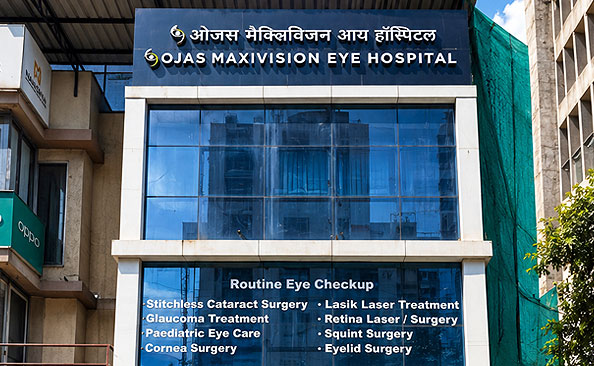
 Bandra
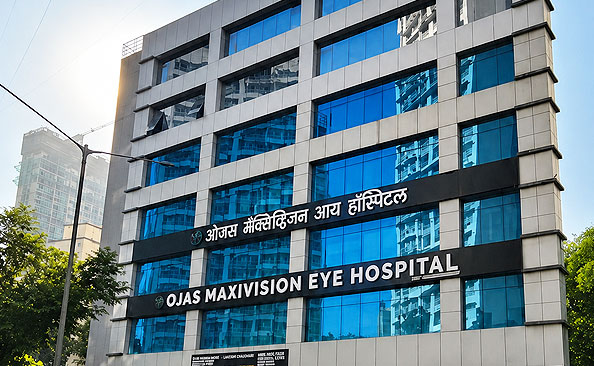 Kandivali
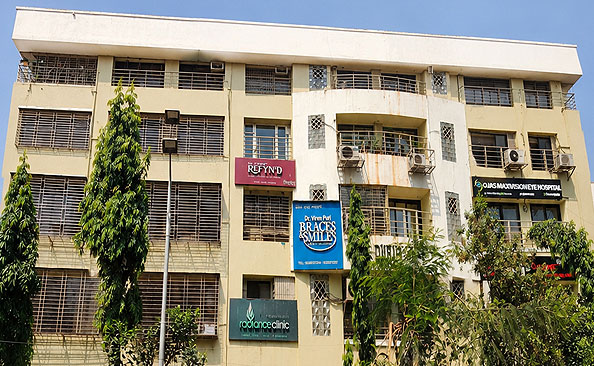 Juhu
Juhu
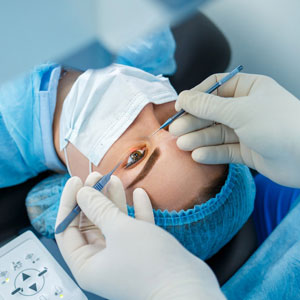
What Is Oculoplasty Treatment?
Oculoplasty treatment, also known as oculoplastic surgery, is a specialized branch of ophthalmology that focuses on conditions affecting the eyelids, tear drainage system, eye socket (orbit) and the structures surrounding the eyes.
The eyes do not function alone. Healthy eyelids, tear ducts and surrounding tissues are essential for protecting the eyes, maintaining vision and ensuring comfort. When these structures become damaged, diseased or age-related changes occur, they can affect both appearance and eye function.
Oculoplasty treatment combines medical expertise, reconstructive techniques and advanced surgical procedures to restore normal function while maintaining a natural appearance.
Oculoplasty treatment may help manage:
- Droopy eyelids (Ptosis)
- Excess eyelid skin affecting vision
- Inward or outward turning eyelids
- Eyelid lumps and tumors
- Blocked tear ducts
- Excessive watering of the eyes
- Thyroid eye disease
- Eye socket (orbital) disorders
- Facial and eyelid trauma
- Congenital eyelid abnormalities
- Cosmetic eyelid concerns
Modern oculoplastic procedures are designed to improve both function and appearance while prioritizing eye safety and long-term results.
Oculoplasty Treatment in Mumbai - Advanced Eyelid and Orbital Care at Ojas Maxivision Eye Hospital
The eyelids and surrounding eye structures play an important role in protecting vision, maintaining eye lubrication and supporting facial appearance. Problems in these parts of the eye can cause discomfort, vision problems and changes in appearance.
At Ojas Maxivision Eye Hospital in Mumbai, our experienced eye specialists provide thorough evaluation and advanced oculoplasty treatment for a wide range of eyelid, tear duct and orbital conditions.
Our approach focuses on:
- Accurate diagnosis
- Personalized treatment planning
- Natural-looking results
- Function-preserving procedures
- Advanced surgical procedures
- Complete post-treatment care
We carefully assess each patient's symptoms, eye health, medical history and expectations before recommending the most appropriate treatment option.
Oculoplasty treatment may be recommended for:
- Functional eyelid disorders.
- Orbital diseases.
- Age-related eyelid changes.
- Congenital eyelid abnormalities.
- Tear drainage problems.
- Eyelid tumors and growths.
- Thyroid-related eye conditions.
- Facial trauma affecting the eye region.
- Cosmetic eyelid rejuvenation procedures.
Treatment recommendations are customized according to the underlying condition and individual patient needs.
Why Is Oculoplasty Treatment Performed?
Oculoplasty treatment is performed to restore normal eyelid function, improve tear drainage, protect the eye and address diseases affecting the tissues around the eyes.
Many eyelid and orbital conditions can interfere with daily activities and may even threaten vision if left untreated.
Oculoplasty treatment may be recommended when patients experience:
- Drooping eyelids that obstruct vision.
- Excess skin affecting the visual field.
- Eyelid malposition.
- Eye socket abnormalities.
- Persistent watery eyes.
- Recurrent eye irritation.
- Cosmetic concerns around the eyes.
- Eyelid growths or tumors.
- Thyroid eye disease symptoms.
- Facial trauma affecting the eye area.
The treatment aims to improve both medical results and quality of life.
Why Is Oculoplasty Treatment Important for Eye Health?
The eyelids and surrounding tissues serve as the eye's first line of protection. Any problem affecting these structures can compromise eye health and visual function.
Oculoplasty treatment is important because it helps:
- Protect the surface of the eye: Proper eyelid position helps spread tears evenly across the eye and protects the cornea from injury and dryness.
- Improve vision: Droopy eyelids and excess eyelid skin can partially block vision. Correcting these issues can improve the visual field and daily functioning.
- Restore tear drainage: Blocked tear ducts can lead to persistent watering, infections and discomfort. Oculoplasty procedures help restore normal tear flow.
- Treat tumors and abnormal growths: Early diagnosis and treatment of eyelid or orbital tumors help prevent complications and preserve surrounding tissues.
- Address orbital disorders: Conditions affecting the eye socket can impact eye movement, appearance and vision. Timely treatment helps prevent long-term damage.
- Improve facial symmetry and appearance: Many oculoplastic procedures help restore a natural and balanced appearance while maintaining proper eye function.
- Enhance quality of life: Patients often experience greater comfort, improved confidence and better daily functioning following successful treatment.
Modern oculoplasty procedures are designed to achieve both functional and aesthetic improvements while maintaining the health of the eyes.
Who Can Benefit from Oculoplasty Treatment?
Oculoplasty treatment may benefit patients of different age groups who have conditions affecting the eyelids, tear drainage system or eye socket.
Suitable candidates may include:
- Adults with droopy eyelids (ptosis).
- Individuals with excess eyelid skin affecting vision.
- People with blocked tear ducts.
- Patients with orbital disorders.
- Individuals with thyroid eye disease.
- Patients experiencing chronic watery eyes.
- Children with congenital eyelid abnormalities.
- Patients with eyelid tumors or cysts.
- People with eyelid injuries or trauma.
- Individuals seeking functional or cosmetic eyelid correction.
A detailed checkup by an eye specialist helps determine the most appropriate treatment plan based on the patient's condition and overall eye health.
Who May Not Be Suitable for Oculoplasty Treatment?
Although many patients can benefit from oculoplasty procedures, some individuals may require additional evaluation or treatment before surgery.
Treatment may need to be postponed or modified in patients with:
- Active eye infections.
- Severe dry eye disease requiring stabilization.
- Uncontrolled medical conditions.
- Uncontrolled diabetes.
- Uncontrolled thyroid disorders.
- Certain bleeding disorders.
- Active inflammation around the eyes.
- Medical conditions affecting wound healing.
Every patient undergoes a thorough eye check-up to make sure the treatment is safe and suitable for them.
What Symptoms May Indicate the Need for Oculoplasty Treatment?
Problems involving the eyelids, tear ducts and eye socket often develop slowly. Early evaluation can help prevent complications and improve treatment results.
Common symptoms that may indicate the need for oculoplasty treatment include:
- Drooping eyelids (ptosis): One or both eyelids may sag, partially blocking vision and causing difficulty with reading, driving or daily tasks.
- Excessive watering of the eyes: Persistent tearing may occur due to blocked tear ducts or abnormalities in tear drainage.
- Eyelid swelling or lumps: Growths, cysts or tumors on the eyelids should always be evaluated by an eye specialist.
- Eyelid turning inward or outward: Improper eyelid positioning can cause irritation, redness and damage to the eye surface.
- Eye discomfort or dryness: Difficulty closing the eyes completely can lead to dryness, irritation and corneal problems.
- Bulging eyes: Prominent or protruding eyes may be associated with thyroid eye disease or orbital conditions.
- Double vision: Certain orbital disorders can affect eye muscle function and lead to double vision.
- Frequent eye infections: Recurring infections around the eyelids or tear drainage system may require specialized treatment.
- Changes in appearance around the eyes: Noticeable changes in eyelid position, asymmetry or swelling should be assessed promptly.
- Visual disturbances: Any eyelid condition affecting the visual field should be checked by an eye specialist.
If you experience any of these symptoms, a complete eye examination can help determine whether oculoplasty treatment is the most suitable option for restoring comfort, function and eye health.
What Are the Different Types of Oculoplasty Treatment?
Oculoplasty treatment includes a wide range of procedures that address medical, functional, reconstructive and cosmetic conditions affecting the eyelids, tear drainage system and eye socket. The type of treatment recommended depends on the patient's symptoms, diagnosis and overall eye health.
Ptosis Surgery (Droopy Eyelid Correction)
Ptosis occurs when the upper eyelid droops lower than normal. In severe cases, it can block vision and affect daily activities.
Benefits of ptosis surgery include:
- Improves the visual field.
- Reduces eye strain.
- Restores eyelid position.
- Improves facial symmetry.
- Enhances appearance and confidence.
Blepharoplasty (Eyelid Surgery)
Blepharoplasty is performed to remove excess skin, muscle or fat from the upper or lower eyelids.
Benefits include:
- Improves vision obstructed by excess skin.
- Reduces eyelid heaviness.
- Improves eyelid contour.
- Creates a more refreshed look.
- Enhances comfort during daily activities.
Botox Treatment
Botox (botulinum toxin) injections are commonly used for both medical and cosmetic purposes in oculoplasty. They can help relax overactive muscles around the eyes and face, while also reducing the appearance of facial wrinkles.
Benefits of Botox treatment include:
- Helps reduce fine lines and wrinkles around the eyes.
- Treats eyelid twitching and muscle spasms.
- Helps manage conditions such as blepharospasm and hemifacial spasm.
- Improves facial symmetry and comfort.
- Provides a minimally invasive treatment option.
Dermal Fillers
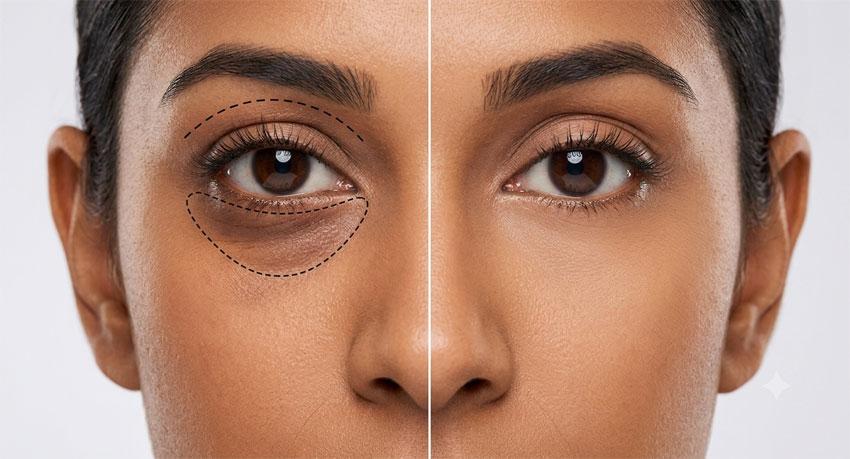
Dermal fillers are injectable treatments used to restore lost volume around the eyes and surrounding facial areas. They can improve hollow under-eye areas, reduce the appearance of dark circles and provide a more refreshed appearance without surgery.
Benefits of dermal fillers include:
- Restores volume in sunken under-eye areas.
- Improves the appearance of dark circles.
- Enhances facial contours and balance.
- Provides a non-surgical rejuvenation option.
- Delivers natural-looking cosmetic enhancement.
Entropion and Ectropion Correction
These conditions affect the position of the eyelids.
- Entropion: Eyelid turns inward, causing lashes to rub against the eye.
- Ectropion: Eyelid turns outward, exposing the eye surface.
Treatment helps:
- Protect the cornea.
- Reduce irritation and redness.
- Improve tear distribution.
- Prevent long-term eye damage.
Dacryocystorhinostomy (DCR) for Blocked Tear Ducts
DCR surgery creates a new pathway for tear drainage when the natural tear duct becomes blocked.
Benefits include:
- Relieves excessive watering.
- Reduces recurrent infections.
- Restores normal tear drainage.
- Improves comfort and eye hygiene.
Eyelid Tumor and Lesion Removal
Various benign and malignant growths can occur on the eyelids.
Treatment may involve:
- Surgical removal of tumors.
- Biopsy for diagnosis.
- Reconstruction of affected tissues.
- Preservation of eyelid function.
Orbital Surgery
Orbital surgery is performed for conditions affecting the eye socket, including:
- Orbital tumors.
- Orbital fractures.
- Thyroid eye disease.
- Inflammatory orbital disorders.
The goal is to protect vision and restore normal eye function.
Reconstructive Oculoplasty
Reconstructive procedures may be required after:
- Trauma
- Tumor removal.
- Congenital abnormalities.
- Severe eyelid damage.
These procedures focus on restoring both function and appearance.
Thyroid Eye Disease Management
Thyroid-related eye problems can cause:
- Bulging eyes.
- Double vision.
- Eyelid retraction.
- Eye discomfort.
Treatment options may include medical management, orbital decompression surgery and eyelid correction procedures.
Cosmetic Oculoplasty Procedures
Certain oculoplasty procedures are performed to improve the appearance of the eyelids and surrounding tissues.
These may include:
- Cosmetic blepharoplasty.
- Eyelid rejuvenation procedures.
- Correction of under-eye bags.
- Brow-related eyelid procedures.
Your eye specialist will recommend the most suitable treatment based on your condition and expectations.
What Should You Expect Before Oculoplasty Treatment?
Before oculoplasty surgery, your eye specialist will perform a detailed eye examination to understand your condition and plan the most suitable treatment. Before surgery, your doctor will explain the procedure, its benefits, possible risks, and what results you can expect.
You may be asked to:
- Start or stop certain medicines.
- Follow instructions about eating and drinking before surgery.
- Get blood tests or eye scans if needed.
- Quit smoking, as it can help your body heal better after surgery.
What Happens During Oculoplasty Treatment?
Oculoplasty surgery is usually performed under local anesthesia or general anesthesia, depending on the procedure. The surgeon carefully treats the eyelids, tear ducts, eye socket or surrounding areas around the eyes. Small incisions may be made to reduce scarring and help with healing. The length of the surgery depends on the condition to be treated.
What Can You Expect After Oculoplasty Treatment?
Recovery after oculoplasty surgery may take a few days to several weeks, depending on the procedure performed. Mild swelling, bruising, redness and temporary discomfort are common during the initial healing period. Following your surgeon’s post-operative instructions, including medication use and wound care, is important for proper recovery. As healing progresses, eyelid appearance, eye comfort and function gradually improve. Regular follow-up visits help monitor healing and ensure the best possible results.
What Are the Benefits of Oculoplasty Treatment?
Oculoplasty treatment can provide significant functional, medical and cosmetic improvements.
Benefits may include:
- Improved vision: Correcting droopy eyelids and excess eyelid skin can improve the visual field and make daily activities easier.
- Better eye protection: Proper eyelid positioning helps protect the eye from dryness, irritation and injury.
- Relief from excessive watering: Treatment of blocked tear ducts can improve tear drainage and reduce discomfort.
- Reduced eye irritation: Correcting eyelid abnormalities can reduce redness, foreign body sensation and eye surface damage.
- Enhanced appearance: Many procedures help restore a more natural and balanced appearance around the eyes.
- Improved confidence: Patients often feel more comfortable and confident after successful treatment.
- Better quality of life: Improved vision, comfort and appearance can positively affect daily activities and overall well-being.
- Long-term functional improvement: Many oculoplastic procedures provide long term benefits and help prevent future complications.

What Are the Risks and Side Effects of Oculoplasty Treatment?
Oculoplasty procedures are generally safe when performed by experienced specialists. However, as with any medical procedure, certain risks and temporary side effects may occur.
Possible side effects include:
- Mild swelling
- Bruising around the eyes
- Temporary discomfort
- Dryness or watering
- Mild redness
- Temporary blurred vision
Less common risks may include:
- Infection
- Bleeding
- Delayed wound healing
- Scarring
- Eyelid asymmetry
- Recurrence of the condition
- Changes in eyelid position
- Temporary difficulty closing the eyes completely
Serious complications are uncommon and can often be minimized through careful surgical planning and proper post-operative care. Your eye specialist will discuss potential risks and benefits before treatment.
What Is the Recovery and Aftercare Process Following Oculoplasty Treatment?
Recovery after oculoplasty treatment varies depending on the type and complexity of the procedure performed. Most patients experience mild swelling, bruising or discomfort during the initial healing period, which gradually improves over time. Following your surgeon’s instructions carefully can help ensure a smooth recovery and the best possible results.
Important aftercare tips include:
- Keeping the treated area clean and dry to reduce the risk of infection.
- Using prescribed eye drops, ointments or medications as directed by your doctor.
- Avoiding rubbing, touching or putting pressure on the eyes and surrounding tissues.
- Resting adequately and avoiding heavy lifting, strenuous exercise and other physically demanding activities for the recommended period.
- Sleeping with your head elevated to help reduce swelling and promote healing.
- Wearing protective eyewear if advised by your surgeon.
- Attending all scheduled follow-up appointments to monitor recovery and address any concerns.
While mild swelling and bruising are usually expected, you should contact your eye doctor immediately if you experience severe pain, sudden vision changes, excessive swelling, persistent bleeding, signs of infection or any other unusual symptoms. Early medical attention can help prevent complications and support a safe recovery.
When to Contact Your Eye Doctor After Oculoplasty Treatment?
While mild swelling and bruising are expected, certain symptoms require immediate medical attention.
Contact your eye specialist immediately if you experience:
- Sudden vision loss
- Severe eye pain
- Increasing redness
- Excessive bleeding
- Persistent swelling that worsens
- Fever
- Pus-like discharge
- Double vision that develops suddenly
- Difficulty moving the eye
- Severe headache associated with eye symptoms
Early medical attention can help prevent complications and ensure the best possible recovery.

Book Your Appointment for Oculoplasty Treatment in Mumbai at Ojas Maxivision Eye Hospital
If you are experiencing droopy eyelids, excessive watering, eyelid swelling, blocked tear ducts or other conditions affecting the eyelids and surrounding eye structures, early evaluation can help protect your vision and improve your quality of life.
At Ojas Maxivision Eye Hospital, our experienced eye specialists provide expert diagnosis, advanced surgical procedures and personalized treatment plans for a wide range of oculoplastic conditions. We focus on restoring eye function, improving comfort and achieving natural-looking results.
If you are looking for an eye hospital in Mumbai for advanced eyelid, tear duct and orbital care, or seeking oculoplasty treatment in Mumbai, our team is here to guide you with expert care, advanced and patient-focused treatment.
Frequently Asked Questions About Oculoplasty Treatment
Oculoplasty treatment is usually not painful because it is performed under local or general anesthesia. Most patients feel little to no discomfort during the procedure. After surgery, mild pain, swelling or irritation may occur, but these symptoms are generally temporary and can be controlled with prescribed medications and proper care.
Yes, oculoplasty treatment is generally considered safe when performed by experienced eye specialists. At Ojas Maxivision Eye Hospital, advanced procedures, skilled surgeons, modern infrastructure and strict safety protocols are used to provide effective treatment while minimizing the risk of complications and ensuring patient safety.
Most oculoplasty treatments are performed as outpatient procedures and do not require an overnight hospital stay. Many patients can return home on the same day after treatment. However, the need for admission depends on the type of procedure, the patient's condition and the surgeon's recommendation.
Oculoplastic surgeons carefully place incisions within natural skin folds, eyelid creases or other hidden areas whenever possible. As a result, scars are usually minimal and become less noticeable over time. Proper wound care and following your surgeon's instructions can help improve the healing process.
Recovery time after oculoplastic surgery varies depending on the procedure performed and the individual's healing process. Mild swelling, bruising and discomfort are common during the first few days. Most patients can resume normal activities within a few weeks, although complete healing may take longer in some cases.
The cost of oculoplasty treatment in Mumbai depends on several factors, including the eye condition being treated, the type of procedure required, the complexity of surgery and individual treatment needs. A detailed consultation helps determine the most suitable treatment plan and provides an accurate cost estimate. Please contact us by phone or email to schedule an appointment and learn more about your treatment options.
Yes, Ojas Maxivision Eye Hospital offers cashless treatment facilities for selected procedures through approved insurance providers and empanelled organizations. The hospital is associated with various government and corporate panels, including CGHS, RBI, NABARD and BSNL. Insurance coverage may vary depending on eligibility, approvals and policy terms. Patients are advised to confirm coverage details with the hospital before treatment.
Ojas Maxivision Eye Hospital has multiple centres across Mumbai, Maharashtra, including Bandra (West), Kandivali (East) and Juhu. The hospital provides complete eye care services, advanced oculoplasty evaluation and treatment, eyelid surgery, tear duct procedures, orbital care and cosmetic eye rejuvenation treatments using modern, latest and advanced procedures.