


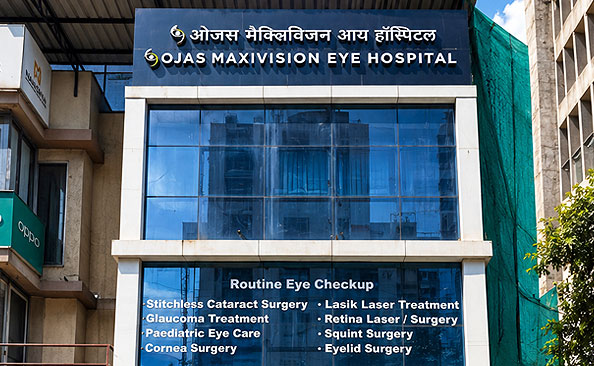
 Bandra
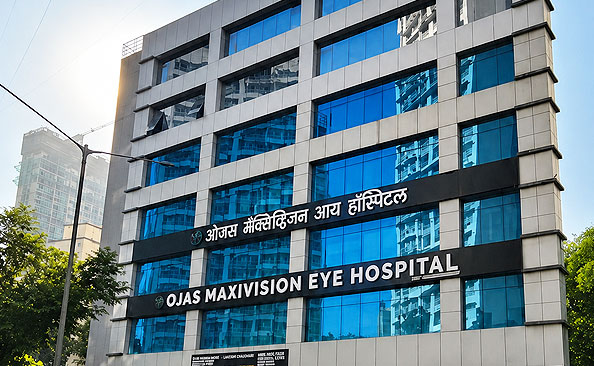 Kandivali
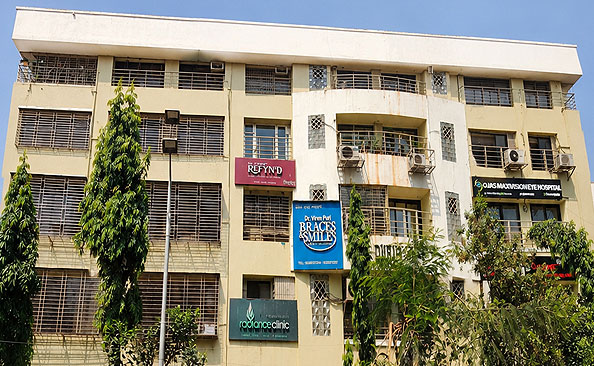 Juhu
Juhu
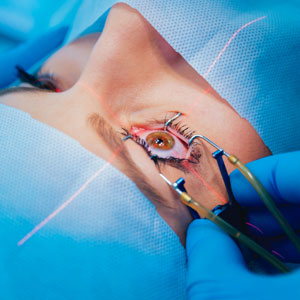
What Is Bladeless LASIK?
Bladeless LASIK, also known as blade-free LASIK, all-laser LASIK or femto LASIK - is an advanced laser eye surgery used to correct refractive errors and improve vision. Unlike traditional LASIK, this procedure does not use a surgical blade to create the corneal flap. Instead, a highly precise femtosecond laser is used for greater accuracy and safety.
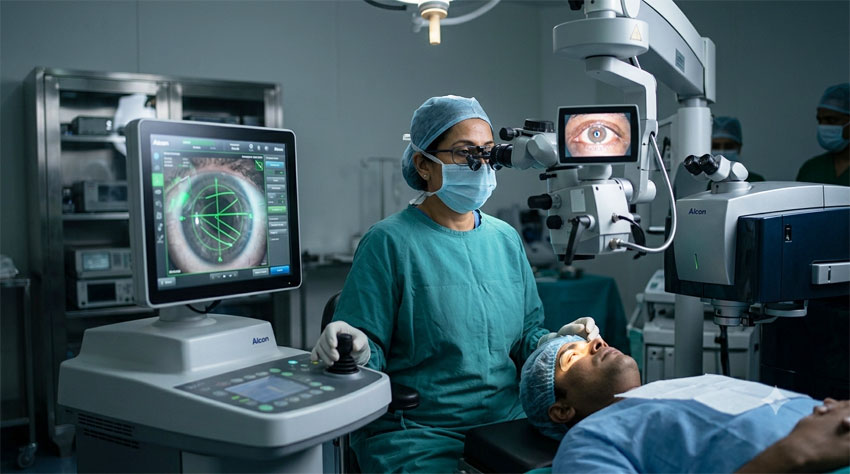
In this procedure, a LASIK surgeon uses advanced laser technology for vision correction. First, a femtosecond laser creates a thin flap on the surface of the cornea. Then, an excimer laser reshapes the cornea to improve vision. After the treatment, the flap is gently placed back in its original position.
The procedure reshapes the cornea so that light focuses properly on the retina, helping patients achieve clearer vision and reduce dependence on glasses or contact lenses.
Bladeless LASIK may help correct:
- Myopia (nearsightedness)
- Hyperopia (farsightedness)
- Astigmatism
Why Is Bladeless LASIK Performed?
Bladeless LASIK is an advanced laser vision correction procedure performed to help people see more clearly and reduce their dependence on glasses or contact lenses. Many individuals choose this treatment for comfort, convenience and improved day-to-day vision.
People may consider Bladeless LASIK if they:
- Depend on glasses or contact lenses for most of the daily activities
- Feel uncomfortable wearing contact lenses for long hours
- Face difficulty during travelling, sports or outdoor activities because of glasses
- Want a long-term solution for refractive errors
- Have stable eye power for a certain period
- Wish to achieve clearer and more comfortable vision
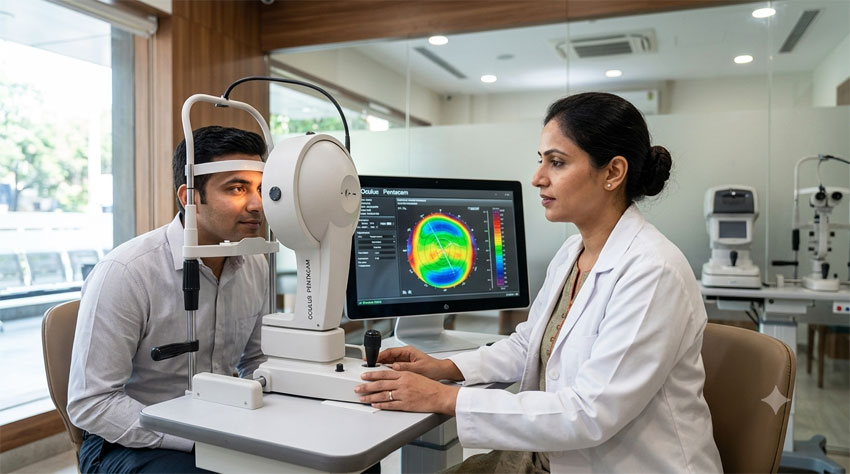
The treatment is carefully planned after detailed eye testing and is customized according to the patient’s eye power, corneal condition and overall eye health.
Why Is Bladeless LASIK Considered an Advanced Vision Correction Procedure?
Bladeless LASIK is considered a modern and highly precise form of laser eye surgery because it uses advanced laser technology throughout the procedure. The femtosecond laser creates a thin corneal flap with excellent accuracy, while the excimer laser reshapes the cornea for vision correction.
Purpose of Bladeless LASIK
- Bladeless flap creation: No surgical blade is used during the procedure.
- Highly precise treatment: The femtosecond laser creates a very thin and accurate corneal flap, helping reduce the chances of flap-related problems.
- Improved safety: Since no blade is used, the risk of complications related to mechanical blades is lower, making the procedure safer for many patients.
- Faster and more comfortable recovery: Most patients experience minimal discomfort and notice clearer vision within a short time after surgery.
- Better visual quality: The procedure may help reduce visual disturbances such as glare, halos and difficulty in night vision for some patients.
- Customized vision correction: Advanced eye mapping technology allows the treatment to be planned according to each patient’s unique eye structure and vision needs.
Many patients prefer Bladeless LASIK because of its precision, comfort and reliable results.
Who Can Benefit from Bladeless LASIK?
Bladeless LASIK may be suitable for adults who want to reduce dependence on glasses or contact lenses and have healthy eyes with stable vision.
People considering Bladeless LASIK usually need to meet certain conditions, including:
- Age above 18 years.
- Stable eye power for at least one year.
- Healthy corneas with adequate thickness.
- Refractive errors within treatable range.
- No active eye infections or severe dry eyes.
- Good overall eye health.
The treatment may be suitable for students, professionals, athletes and people with active lifestyles.
Who May Not Be Suitable for Bladeless LASIK?
Although Bladeless LASIK is safe for many patients, it may not be suitable for everyone. A detailed eye examination is necessary before planning treatment.
People who may not be suitable include:
- Individuals below 18 years of age.
- People with unstable eye power.
- Patients with keratoconus or severe corneal disorders.
- Individuals with advanced glaucoma or cataracts.
- People with severe dry eye disease.
- Pregnant or breastfeeding women.
- Patients with uncontrolled diabetes or autoimmune disorders.
The eye specialist may suggest alternative vision correction procedures if LASIK is not suitable.
How Is Bladeless LASIK Performed?
Bladeless LASIK is usually completed within a few minutes for each eye and involves advanced laser technology for precise vision correction.
Bladeless LASIK procedure:
- Detailed eye examination: Corneal scans and eye measurements are performed before surgery.
- Application of numbing eye drops: Eye drops are used to keep the procedure comfortable and pain-free.
- Creating the corneal flap: A femtosecond laser creates a very thin flap on the cornea within a few seconds. The laser works with high precision and helps protect the surrounding eye tissue.
- Lifting the flap: The surgeon gently lifts the flap to access the inner corneal layer for treatment.
- Laser vision correction: An excimer laser reshapes the cornea according to the patient’s eye power and detailed corneal measurements to improve vision.
- Placing the flap back: After the treatment, the flap is carefully placed back into its original position, where it naturally heals without stitches.
Note: The laser treatment usually takes less than a minute for each eye, and the complete procedure is generally finished within 15 to 20 minutes. Most patients can return home shortly after the procedure.
What Are the Benefits of Bladeless LASIK?
Bladeless LASIK offers several advantages over traditional laser eye surgery procedures.
Benefits of Bladeless LASIK
Reduced flap-related complications
The laser creates a thin and accurate corneal flap, helping improve safety and precision.
Comfortable procedure
Since no surgical blade is used, many patients feel more comfortable and relaxed during the treatment.
Less chance of temporary dry eyes or night vision problems
Some patients may experience fewer symptoms like dryness, glare or halos after surgery, depending on individual eye health and proper aftercare.
Better treatment accuracy
Customized laser settings help provide more precise vision correction based on the patient’s eye condition.
Many patients experience clearer vision within one or two days after surgery.
What Are the Risks and Side Effects of Bladeless LASIK?
Like any eye surgery, Bladeless LASIK may have some temporary side effects and risks. However, serious complications are uncommon when the procedure is performed after proper evaluation.
Some possible side effects include:
- Flap-related problems: Rarely, the corneal flap may shift or develop fine wrinkles after surgery. These problems are usually treated quickly if detected early.
- Glare, halos and dry eyes: Some patients may temporarily notice dryness, glare or halos around lights, especially at night. These symptoms often improve with time and lubricating eye drops.
- Epithelial ingrowth: In some cases, surface cells may grow under the corneal flap. This condition is generally manageable with treatment.
- Residual eye power: A small number of patients may still have minor refractive error after healing and could require an additional enhancement procedure later.
Most symptoms improve gradually during recovery with proper eye care and follow-up.
What Is the Recovery Process After Bladeless LASIK?
Recovery after Bladeless LASIK is usually quick and comfortable. Many patients notice improved vision within 1 to 2 days.
Recovery tips after Bladeless LASIK
- Rest your eyes for the first day.
- Avoid rubbing the eyes.
- Use prescribed eye drops regularly.
- Wear protective sunglasses outdoors.
- Avoid swimming and heavy workouts initially.
- Limit screen time during early recovery.
- Attend follow-up appointments regularly.
Is Bladeless LASIK Better Than Blade LASIK?
Both bladeless LASIK and traditional blade LASIK are effective laser vision correction procedures used to treat refractive errors like myopia, hyperopia and astigmatism. However, the main difference lies in the way the corneal flap is created before the laser treatment.
Flap creation method
- Bladeless LASIK: Uses a femtosecond laser to create the corneal flap
- Blade LASIK: Uses a microkeratome surgical blade
Precision and accuracy
- Bladeless LASIK: Provides highly precise and uniform flap creation with computer-guided laser technology
- Blade LASIK: Effective treatment, but flap thickness may vary slightly
Safety
- Bladeless LASIK: Lower chance of flap-related complications and improved treatment predictability
- Blade LASIK: Small risk of flap irregularities may occur in some cases
Comfort during surgery
- Bladeless LASIK: Many patients feel more comfortable because no blade is used
- Blade LASIK: Procedure is also generally comfortable and quick
Recovery and visual quality
- Bladeless LASIK: Some patients may experience faster recovery and improved visual quality
- Blade LASIK: Provides good visual results with effective vision correction
Both procedures can provide excellent vision correction results when performed by experienced refractive surgeons. The most suitable option depends on the patient’s eye condition, corneal thickness, lifestyle and overall treatment goals.
What Are the Alternatives to Bladeless LASIK?
Alternative vision correction procedures may include:
- Contoura Vision
- SILK Eye Surgery
- SMILE Eye Surgery
- PRK or Epicontura
- ICL Surgery
The right treatment option is selected after examining the overall eye health, corneal thickness, eye power and the patient’s vision expectations.
Book Your Appointment for Bladeless LASIK in Mumbai at Ojas Maxivision Eye Hospital
If you are considering a life with less dependence on glasses or contact lenses, a thorough eye check-up can help identify whether laser vision correction is the right option for your eyes. At Ojas Maxivision Eye Hospital, our eye specialists use advanced diagnostic methods and customized treatment planning to provide precise and comfortable vision correction solutions.
For individuals looking for an eye hospital in Mumbai offering advanced Bladeless LASIK treatment in Mumbai, Ojas Maxivision Eye Hospital provides modern laser eye care with a strong focus on safety, accuracy and patient comfort.
Frequently Asked Questions About Bladeless LASIK
No, Bladeless LASIK is usually not painful because numbing eye drops are used before the procedure. Most patients may only feel mild pressure for a few seconds during surgery. Temporary watering, irritation, burning sensation or light sensitivity may occur after treatment, but these symptoms generally improve within a short time.
Bladeless LASIK can greatly reduce dependence on glasses or contact lenses for many people by correcting refractive errors like myopia, hyperopia and astigmatism. Some patients may achieve near-complete freedom from glasses for daily activities. However, reading glasses may still be needed later in life because of natural age-related vision changes.
Many patients notice clearer and sharper vision within 24 to 48 hours after Bladeless LASIK surgery. Vision usually continues to improve gradually over the next few days or weeks as the eyes heal completely. Following all post-surgery instructions and using prescribed eye drops regularly can help support smoother recovery and better visual results.
Yes, Bladeless LASIK is commonly performed on both eyes during the same session. Treating both eyes together allows faster recovery, balanced vision improvement and greater convenience for patients. Most individuals can return home shortly after the procedure and continue recovery with regular follow-up care and prescribed medications.
The corneal reshaping done during Bladeless LASIK is permanent and helps provide long-term vision correction for refractive errors. However, natural aging changes in the eyes, such as presbyopia or cataracts, can still develop later in life and may affect vision quality or reading ability over time.
The cost of Bladeless LASIK treatment depends on factors such as the technology used, surgeon expertise, complexity of eye power and individual treatment planning. A detailed consultation helps provide an accurate treatment estimate based on the patient’s eye condition.Please contact the hospital via phone or email to book your appointment.
Ojas Maxivision Eye Hospital is empanelled with organizations such as CGHS, RBI, NABARD and BSNL and offers cashless facilities for selected eye procedures through empanelled insurance providers and organizations. Patients are advised to confirm eligibility, approvals and coverage details with the hospital team before undergoing treatment.
Ojas Maxivision Eye Hospital has multiple centres across Mumbai, Maharashtra, including Bandra (West), Kandivali (East) and Juhu. The hospital offers advanced eye care services and laser vision correction treatments using modern technology and expert care.