


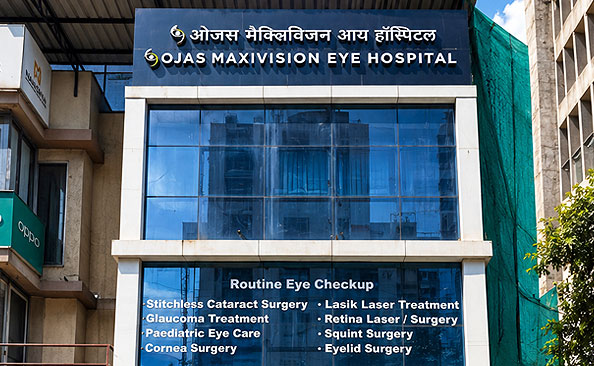
 Bandra
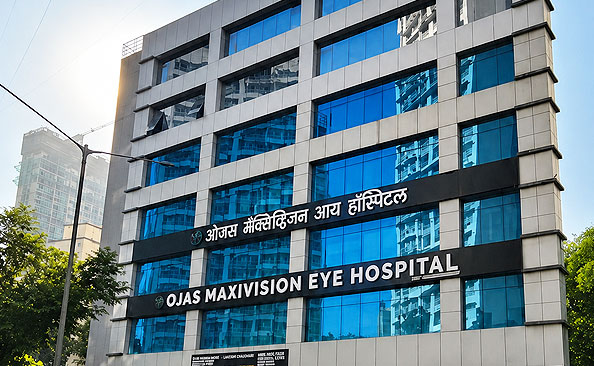 Kandivali
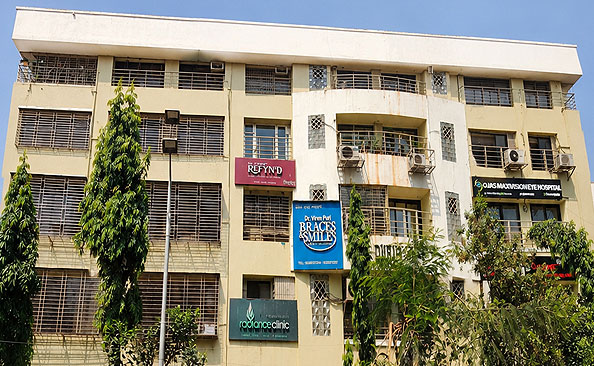 Juhu
Juhu

What Is Cataract Surgery?
Cataract surgery is one of the most commonly performed and successful eye procedures worldwide. It is performed to remove the eye's natural lens when it becomes cloudy and affects vision.
A cataract develops when proteins inside the natural lens gradually break down and clump together, causing the lens to become cloudy. As the cataract grows, vision becomes blurred and everyday activities such as reading, driving and recognising faces may become difficult. Motiyabindoo are most commonly seen in older adults, but they can also occur in children. Without timely treatment, they may lead to severe vision loss and even blindness.
During cataract surgery, the cloudy lens is removed and replaced with a clear artificial intraocular lens (IOL). This helps restore vision and improves the quality of life for many patients.
Cataract surgery may help improve:
- Blurred or cloudy vision
- Difficulty reading
- Poor night vision
- Increased glare from lights
- Faded or dull colours
- Frequent changes in eyeglass prescription
Modern cataract surgery is usually performed as a day-care procedure and usually takes only a short time to complete.
Cataract Surgery in Mumbai - Advanced Vision Restoration at Ojas Maxivision Eye Hospital
Good vision plays an important role in maintaining independence, productivity and overall quality of life. Cataracts can gradually affect visual clarity and make routine activities more challenging.
At Ojas Maxivision Eye Hospital in Mumbai, we offer advanced cataract surgery using modern technology and customized treatment planning. Our experienced eye specialists carefully evaluate each patient's vision, eye health and lifestyle requirements before recommending the most suitable surgical approach and intraocular lens option.
Cataract surgery may be recommended for:
- Age-related cataracts: The most common type caused by natural aging changes within the eye.
- Congenital cataracts: Cataracts present at birth or developing during childhood.
- Traumatic cataracts: Cataracts that develop following an eye injury.
- Secondary cataracts: Cataracts associated with certain medical conditions, medications or previous eye surgery.
- Vision-impairing cataracts: Cataracts affecting daily activities such as driving, reading and working.
Treatment recommendations depend on the severity of the cataract, visual symptoms and the patient's individual needs.
Why Is Cataract Surgery Performed?
Cataract surgery is performed when a cataract begins to interfere with normal vision and affects day-to-day activities. Cataract surgery treats the cataract by replacing the cloudy natural lens with a clear artificial lens.
People may consider cataract surgery if they:
- Experience blurred or cloudy vision.
- Notice increased glare while driving at night.
- Have difficulty reading or using digital devices.
- Find colours appearing faded or yellowish.
- Require frequent changes in eyeglass prescription.
- Experience reduced independence due to poor vision.
An eye specialist will determine whether cataract surgery is appropriate based on a comprehensive eye examination and the impact of symptoms on daily life.
Why Is Cataract Surgery Considered an Effective Vision-Restoring Procedure?
Cataract surgery is considered one of the safest and most effective surgical procedures in modern medicine. It not only removes the cataract but also restores the eye's ability to focus light properly.
Purpose of cataract surgery:
- Removes the cloudy lens: Eliminates the main cause of blurred vision.
- Restores visual clarity: Helps patients see more clearly and comfortably.
- Improves daily functioning: Makes activities such as reading, driving and watching television easier.
- Enhances colour perception: Colours often appear brighter and more natural after surgery.
- Reduces dependence on glasses: Certain premium lenses may reduce the need for corrective eyewear.
- Improves quality of life: Better vision supports independence and confidence.
Advancements in surgical methods and intraocular lenses have made cataract surgery a safe and effective procedure with excellent visual results.
Who Can Benefit from Cataract Surgery?
Cataract surgery may benefit people whose vision has been affected by cataracts and who are experiencing difficulty with daily activities.
Suitable candidates for cataract surgery may include:
- Adults with age-related cataracts.
- Individuals with reduced night vision.
- Patients experiencing blurred or cloudy vision.
- People affected by glare and halos around lights.
- Patients with cataracts interfering with work or hobbies.
- Individuals experiencing reduced visual quality despite updated glasses.
- Patients advised by their eye specialist to undergo cataract removal.
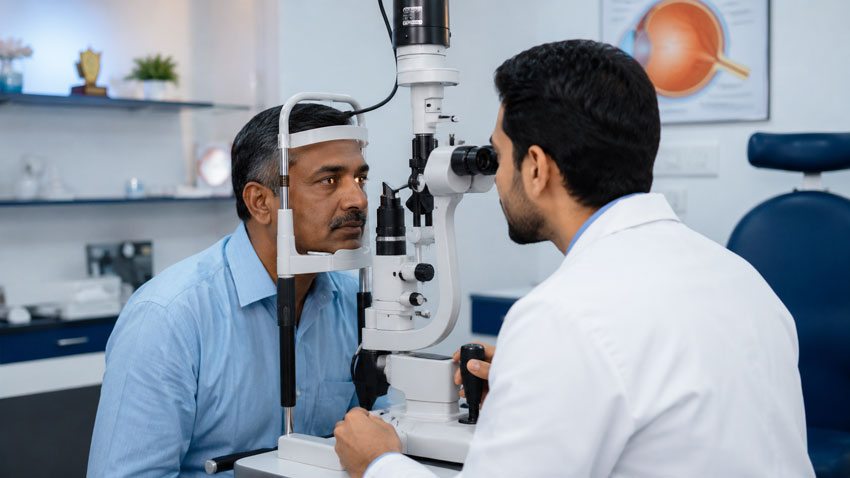
A detailed eye examination helps determine the right time for cataract surgery and the most suitable lens option.
Who May Not Be Suitable for Cataract Surgery?
While cataract surgery is suitable for many patients, some individuals may require additional evaluation or treatment before surgery.
Alternative approaches or delayed surgery may be recommended for:
- Patients with active eye infections.
- Uncontrolled eye inflammation.
- Certain severe retinal conditions.
- Uncontrolled glaucoma requiring stabilization.
- Significant corneal disease affecting surgical outcomes.
- Patients with untreated medical conditions that may affect recovery.
The eye specialist will assess overall eye health and recommend the safest treatment plan based on individual needs.
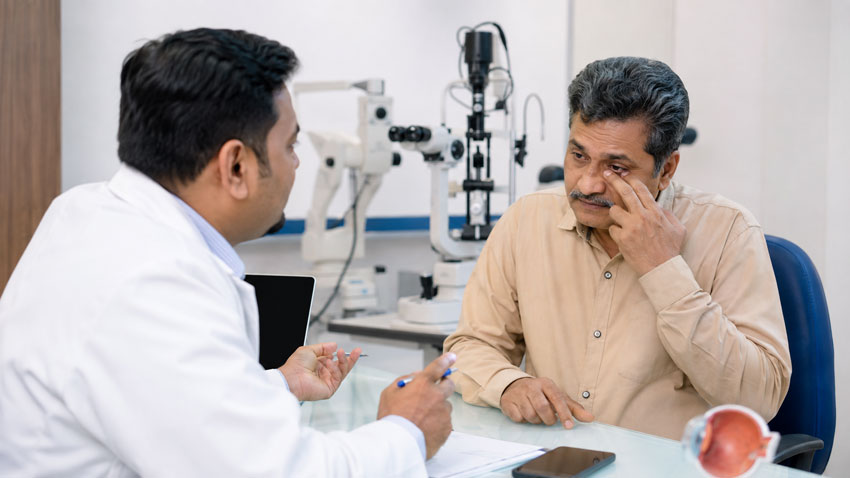
What Symptoms May Indicate the Need for Cataract Surgery?
Cataracts usually develop gradually and symptoms often become more noticeable over time. While early cataracts may be managed with updated glasses or improved lighting, surgery may be recommended when vision problems begin affecting daily activities and quality of life.
Common symptoms that may indicate the need for cataract surgery include:
- Blurred or cloudy vision: Objects may appear hazy, foggy or less sharp, making it difficult to see clearly.
- Difficulty seeing at night: Poor night vision can make driving, walking or performing tasks in low-light conditions more difficult.
- Increased sensitivity to light: Bright sunlight, headlights or indoor lighting may cause discomfort or glare.
- Halos around lights: Rings or glare around streetlights, headlights or other light sources are common symptoms of progressing cataracts.
- Frequent changes in glasses prescription: Repeated changes in eyeglass power that do not provide satisfactory vision may indicate cataract progression.
- Faded or dull colours: Colours may appear less vibrant, yellowish or washed out compared to before.
- Difficulty reading or performing close work: Everyday tasks such as reading books, using a mobile phone or sewing may become more difficult.
- Double vision in one eye: Some people may notice overlapping or multiple images when looking through the affected eye.
- Vision problems affecting daily life: Cataract surgery may be considered when vision starts interfering with driving, work, household activities, hobbies or overall independence.
If you experience any of these symptoms, a complete eye examination can help determine whether cataract surgery is the most suitable treatment option for restoring clearer vision.
What Are the Different Types of Cataract Surgery?
Several advanced cataract surgery techniques are available today. The most suitable procedure depends on the severity of the cataract, overall eye health and the patient's visual requirements.
Phacoemulsification Cataract Surgery
Phacoemulsification, commonly called phaco surgery, is the most frequently performed cataract procedure worldwide. A tiny incision is made in the eye and ultrasound energy is used to break the cloudy lens into small fragments. The fragments are then removed and a clear intraocular lens (IOL) is implanted.
Benefits of phacoemulsification include:
- Small incision and minimal tissue disruption
- Faster recovery
- Reduced discomfort
- Excellent visual results
- Day-care procedure
Femtosecond Laser-Assisted Cataract Surgery (FLACS)
This advanced procedure uses a highly precise femtosecond laser to perform the main steps of cataract surgery, including corneal incisions and lens fragmentation.
Benefits may include:
- Greater surgical precision
- Enhanced accuracy
- Reduced ultrasound energy usage
- Improved customization for selected patients
Manual Small Incision Cataract Surgery (MSICS)
MSICS involves removing the cataract through a slightly larger self-sealing incision. This technique may be recommended in certain cases, especially for advanced or mature cataracts.
Benefits include:
- Effective treatment for dense cataracts
- Reliable visual results
- Cost-effective option for suitable patients
Micro-Incision Cataract Surgery (MICS)
MICS is an advanced cataract surgery technique in which the cloudy natural lens is removed through a very small incision and replaced with a foldable artificial intraocular lens (IOL). The smaller incision helps promote faster healing, less discomfort and quicker visual recovery.
Benefits include:
- Smaller incision with minimal tissue disruption
- Faster healing and recovery
- Reduced risk of surgery-induced astigmatism
- Less post-operative discomfort
- Quicker improvement in vision
- Excellent visual results for suitable patients
Extracapsular Cataract Extraction (ECCE)
ECCE is a cataract surgery technique in which the cloudy natural lens is removed through a larger incision while leaving part of the lens capsule intact. This procedure may be recommended for very dense or advanced cataracts when other cataract surgery techniques are not suitable.
Benefits include:
- Effective treatment for advanced and hard cataracts
- Allows implantation of an artificial intraocular lens (IOL)
- Helps restore clearer vision
- Suitable for selected complex cataract cases
- Proven and reliable surgical method for cataract removal
How Is Cataract Surgery Performed?
Cataract surgery is a safe and commonly performed procedure that usually takes less than 30 minutes. Most patients return home on the same day.
Step-by-step cataract surgery procedure includes:
Pre-Surgery Evaluation
A detailed eye examination is performed before surgery. Measurements of the eye help determine the correct power of the intraocular lens that will replace the cloudy natural lens.
Anesthesia
Numbing eye drops or local anesthesia are used to keep the procedure comfortable and pain-free. Patients remain awake during surgery but usually do not experience pain.
Removal of the Cataract
A small incision is made in the eye. The cloudy lens is carefully broken into tiny pieces and removed using advanced surgical techniques.
Intraocular Lens Implantation
After removing the cataract, an artificial intraocular lens (IOL) is placed inside the eye. The lens remains permanently in position and helps restore clear vision.
Completion of Surgery
The small incision generally seals naturally and often does not require stitches. Protective eye shields may be used immediately after surgery.
After Surgery
Most patients return home on the same day. Vision often begins improving within a few days, although complete stabilization may take several weeks.
What Are the Benefits of Cataract Surgery?
Cataract surgery offers significant improvements in vision and quality of life. Modern techniques and advanced lens technology allow many patients to enjoy clearer, sharper and more comfortable vision after treatment.
Benefits of cataract surgery include:
- Restores clearer vision
- Removes cloudy and blurred vision caused by cataracts
- Improves night vision and driving ability
- Reduces glare and halos around lights
- Enhances colour perception and contrast sensitivity
- Improves reading, computer use and daily activities
- May reduce dependence on glasses with premium lens options
- Improves confidence and independence
- Provides long-term visual improvement
- One of the safest and most successful eye procedures available
Many patients notice brighter colors, sharper details and improved visual quality shortly after surgery.
What Types of Intraocular Lenses (IOLs) Are Available During Cataract Surgery?
Modern cataract surgery can be combined with advanced intraocular lenses designed to improve vision at multiple distances and reduce dependence on glasses. And the most important decision during cataract surgery is selecting the appropriate intraocular lens (IOL). The artificial lens replaces the cloudy natural lens and remains inside the eye permanently.
Different lens options are available to match individual lifestyle needs and visual expectations, including:
Monofocal Intraocular Lens
Monofocal lenses provide clear vision at one selected distance, usually distance vision. Patients may still require glasses for reading or close-up tasks.
Advantages:
- Excellent distance vision
- Proven long-term performance
- Widely used and reliable
Multifocal Intraocular Lens
Multifocal lenses are designed to provide vision at multiple distances, helping reduce dependence on glasses for both near and far activities.
Advantages:
- Improved near and distance vision
- Reduced need for spectacles
- Greater convenience for daily activities
Toric Intraocular Lens
Toric lenses are designed for patients with cataracts and astigmatism. They help correct corneal irregularities while restoring vision.
Advantages:
- Corrects astigmatism
- Improves visual sharpness
- Reduces dependence on glasses
Extended Depth of Focus (EDOF) Lens
EDOF lenses provide a continuous range of vision with fewer visual disturbances in selected patients.
Advantages:
- Improved intermediate vision
- Better performance for computer use
- Reduced need for glasses
The choice of lens depends on eye health, lifestyle requirements, occupation and visual goals. A detailed discussion with your cataract specialist helps determine the most suitable option.
What Are the Risks and Side Effects of Cataract Surgery?
Cataract surgery is considered one of the safest and most successful eye procedures. However, like any surgery, it may involve certain risks and temporary side effects. Most complications are uncommon and can often be managed effectively when detected early.
Possible risks and side effects may include:
- Infection: A small risk of eye infection exists after cataract surgery, although it is uncommon. Using prescribed eye drops and following your doctor's instructions can help reduce this risk.
- Posterior Capsule Opacification (PCO): Sometimes, the thin membrane behind the artificial lens can become cloudy months or years after surgery, causing blurred vision. This condition can be treated with a quick and painless laser procedure.
- Swelling or inflammation: Mild swelling, redness or irritation may occur during the healing period. These symptoms are usually temporary and improve with prescribed medications.
- Retinal detachment: In rare cases, the retina may separate from the back of the eye after surgery. Prompt medical attention is important if symptoms such as flashes of light, floaters or sudden vision loss occur.
- Temporary vision changes: Some patients may experience blurred vision or mild visual fluctuations while the eye heals and adjusts to the new lens. Vision typically improves over time.
Serious complications are uncommon when cataract surgery is performed by experienced eye specialists and followed by proper post-operative care.
What Is the Recovery Process After Cataract Surgery?
Recovery after cataract surgery is generally smooth and relatively quick. Many patients notice an improvement in vision within a few days, although complete healing may take several weeks.
First 24 Hours
- Mild blurring, watering or light sensitivity may occur.
- Protective eye shields may be advised while sleeping.
- Patients are usually able to return home shortly after surgery.
First Week
- Vision often starts becoming clearer.
- Prescribed eye drops help prevent infection and reduce inflammation.
- Most routine activities can gradually be resumed as advised by the doctor.
- Heavy lifting and strenuous activities should be avoided.
Two to Four Weeks
- Healing continues and vision becomes more stable.
- Follow-up visits help monitor recovery and eye health.
- Most patients can comfortably return to normal daily activities.
Four to Six Weeks
- The eye is usually well healed.
- Final visual results become clearer.
- If required, a new glasses prescription may be provided after vision stabilizes.
Recovery time may vary depending on the individual's eye health, the type of cataract and the surgical procedure used.
What Are the Post-Operative Dos and Don’ts After Cataract Surgery?
Following your doctor's instructions carefully after cataract surgery can help promote faster healing and reduce the risk of complications.
Do’s
- Use prescribed eye drops exactly as directed.
- Wear protective eye shields if advised by your doctor.
- Wear sunglasses outdoors to protect the eyes from sunlight, dust and wind.
- Attend all scheduled follow-up appointments.
- Keep the eye area clean and avoid touching the operated eye.
- Maintain good control of medical conditions such as diabetes and high blood pressure.
Don’ts
- Avoid rubbing or pressing the eye.
- Avoid swimming and hot tubs until approved by your doctor.
- Avoid heavy lifting and strenuous exercise during the initial recovery period.
- Do not allow soap, shampoo or contaminated water to enter the eye.
- Avoid eye makeup until your doctor advises it is safe.
- Avoid dusty or smoky environments whenever possible.
When to Contact Your Doctor After Cataract Surgery?
Apart from your scheduled appointments, seek immediate medical attention if you experience:
- Sudden vision loss
- Severe eye pain
- Increasing redness or swelling
- Flashes of light or new floaters
- Persistent nausea or vomiting associated with eye discomfort
Proper aftercare plays an important role in achieving the best possible visual results after cataract surgery.
Can Cataract Surgery Correct Vision Problems Along with Cataracts?
Yes. Modern cataract surgery can often address certain refractive errors in addition to removing the cataract. The type of intraocular lens selected during surgery can influence the level of vision correction achieved.
Cataract surgery may help reduce dependence on glasses for:
- Distance vision
- Near vision
- Intermediate vision
- Astigmatism correction
Advanced lens options such as multifocal, toric and extended depth of focus (EDOF) lenses may provide greater visual freedom for selected patients.
However, the results vary from person to person and some individuals may still require glasses for certain activities. Your eye specialist will discuss the most suitable lens options based on your eye condition, lifestyle and visual expectations.
Book Your Appointment for Cataract Surgery in Mumbai at Ojas Maxivision Eye Hospital
If you are experiencing blurred vision, difficulty reading, glare from lights or other symptoms of cataracts, early evaluation can help protect your vision and improve your quality of life. At Ojas Maxivision Eye Hospital, our experienced eye specialists provide complete cataract evaluation, advanced surgical procedures and personalized lens selection to help patients achieve clearer and more comfortable vision.
If you are looking for an eye hospital in Mumbai for advanced cataract care or seeking cataract surgery in Mumbai, our team is here to guide you with expert care, modern technology and patient-focused treatment.
Frequently Asked Questions About Cataract Surgery
Cataract surgery is a surgical procedure, but it is considered one of the safest and most commonly performed eye surgeries worldwide. In most cases, the procedure takes about 20 to 30 minutes and is usually performed as a day-care treatment, allowing patients to return home the same day.
Cataract surgery is usually recommended when cloudy vision starts affecting daily activities such as reading, driving, watching television, working or recognizing faces. The decision depends on how much the cataract interferes with your quality of life and visual needs.
No. Cataract surgery is generally painless because numbing eye drops or local anesthesia are used during the procedure. Most patients remain comfortable throughout the surgery and may only experience mild irritation, watering or a foreign body sensation for a short time afterwards.
Although cataract surgery can be performed on both eyes on the same day in selected cases, it is more commonly done one eye at a time. This approach allows the first eye to heal properly and helps reduce the risk of complications before treating the second eye.
Yes. Cataract surgery is considered one of the safest and most successful eye procedures available today. When performed by experienced eye surgeons using modern surgical techniques, it has a high success rate and helps restore clearer vision for most patients.
The cost of cataract surgery depends on several factors, including the type of cataract, surgical technique used, choice of intraocular lens and individual treatment requirements. A detailed consultation helps provide an accurate treatment estimate based on your eye condition and visual needs. Please contact us by phone or email to schedule your appointment and learn more about your treatment options.
Yes, Ojas Maxivision Eye Hospital offers cashless treatment facilities for cataract surgery through selected insurance providers and empanelled organizations. The hospital is associated with various government and corporate panels, including CGHS, RBI, NABARD and BSNL. Coverage may vary depending on eligibility, approvals and policy terms. Patients are advised to verify coverage details with the hospital before treatment.
Ojas Maxivision Eye Hospital has multiple centres across Mumbai, Maharashtra, including Bandra (West), Kandivali (East) and Juhu. The hospital offers comprehensive eye care services, advanced cataract diagnosis, premium intraocular lens options and modern cataract surgery procedures.