


 Bandra
 Kandivali
 Juhu
Juhu
What Is Blepharitis (Eyelid Inflammation)?
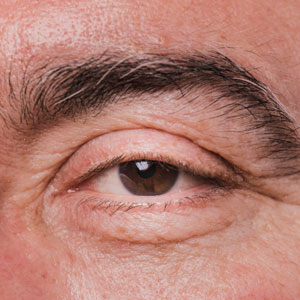
Blepharitis is a common and long-term condition that causes inflammation (swelling and irritation) of the eyelids, especially along the edges where the eyelashes grow. It can affect people of all ages and often involves both eyes at the same time and can be long-lasting (chronic), with periods of flare-ups and improvement.
This condition often occurs when tiny oil glands near the eyelids become blocked or inflamed. It may also be associated with bacterial overgrowth, dandruff of the scalp or eyebrows (seborrheic dermatitis) or skin conditions such as rosacea.
In blepharitis, the eyelids may appear red, swollen, itchy or irritated. Some people notice crusting or flakes around the eyelashes, greasy-looking eyelids or a burning and gritty sensation in the eyes. Symptoms often come and go, making it a recurring problem.
Blepharitis is not usually dangerous, but it can cause ongoing discomfort and affect the quality of your vision if not managed properly. Blepharitis is not contagious and usually does not cause permanent vision loss. However, if left untreated, it may lead to complications such as dry eyes, styes or irritation of the cornea.
Although there is no permanent cure, blepharitis can be effectively controlled with regular eyelid hygiene, warm compresses, and doctor-prescribed treatments such as medicated eye drops or ointments. Consistent daily care is essential to manage symptoms and prevent flare-ups.
Although there is no permanent cure, blepharitis can be effectively managed with regular eyelid hygiene, warm compresses and doctor-prescribed treatments like medicated eye drops or ointments. Consistent daily care is essential to manage symptoms and prevent flare-ups.
What Are the Blepharitis Symptoms You Should Not Ignore?
Blepharitis can cause mild irritation at first, but some symptoms should never be ignored. If left untreated, the condition can worsen and lead to complications affecting the eyelids and the surface of the eye.
Its symptoms can range from mild to severe, may come and go, and often vary depending on the type and severity of the condition. Common symptoms include:
- Crusting on eyelids: Crust formation along the base of the eyelashes is a typical sign. Eyelids may feel sticky, especially in the morning and flaky skin can be seen around the lashes.
- Light sensitivity, blurred vision and gritty feeling: In more severe cases, patients may develop sensitivity to light and blurred vision. Many also feel like something is stuck in the eye (gritty or foreign body sensation).
- Redness of eyes: The eyes often appear red and inflamed. This may be linked to bacterial growth, skin conditions like rosacea or eyelid mite infestation (Demodex).
- Burning, itching and scaling of eyelids: People often feel constant irritation with itching and a burning sensation. Dirt, oil and debris can build up on the eyelids, causing scaling and discomfort.
- Watering of eyes: The eyes may water excessively as a response to dryness and irritation caused by inflammation.
- Repeated styes: People with blepharitis are more prone to developing recurrent styes, which are painful, swollen lumps along the eyelid margin.
- Loss of eyelashes: Long-standing blepharitis can cause eyelashes to become thin, fall out, or grow abnormally. This condition is called madarosis.
If these symptoms persist or worsen, it is important to consult an eye specialist for proper evaluation.
When Should You See an Eye Specialist for Blepharitis (Eyelid Inflammation)?
You should consult an eye specialist (ophthalmologist) if your symptoms - such as itching, redness, burning or crusting do not improve after a few days of regular home care like warm compresses and proper eyelid cleaning. Seek immediate medical help if you notice blurred vision, severe pain or strong sensitivity to light.
- No improvement: Symptoms continue or worsen despite good eyelid hygiene.
- Vision problems: Blurred or fluctuating vision or increased light sensitivity.
- Severe symptoms: Very red, painful eyes or unusual discharge.
- Eyelid lumps: Development of styes or chalazia (painful or firm bumps).
- Changes in eyelashes: Eyelashes falling out or growing in the wrong direction.
- Eyelid damage: Scarring or changes in eyelid shape.
- Possible infection: Signs that the cornea may be affected or infected.
Early consultation with an eye specialist helps prevent complications and long-term discomfort.
What Causes Blepharitis (Eyelid Inflammation)?
Blepharitis is a common, long-lasting condition that causes inflammation of the eyelids, usually along the base of the eyelashes and often affecting both eyes. It mainly occurs due to a combination of factors such as bacterial overgrowth, blocked oil glands and certain skin conditions.
Common causes include:
- Bacterial overgrowth: Normally harmless bacteria live on the skin. When they multiply excessively around the eyelashes, they can cause irritation, flakes and inflammation.
- Blocked or unhealthy oil glands (Meibomian Gland Dysfunction): The oil glands in the eyelids may get blocked or produce poor-quality oil. This leads to dryness, irritation and inflammation, especially in posterior blepharitis.
- Skin conditions: Conditions like dandruff (seborrheic dermatitis) of the scalp or eyebrows and rosacea can cause flaky, inflamed eyelids.
- Demodex mites: These are tiny natural mites found in hair follicles. When present in large numbers, they can irritate the eyelids and worsen blepharitis.
- Poor eyelid hygiene: Inadequate cleaning of the eyelids or not removing makeup properly can lead to the buildup of oil, dirt and bacteria, causing irritation and inflammation.
- Allergies: Sensitivity or allergic reactions to eye makeup, contact lenses or eye drops can trigger redness, itching and eyelid inflammation.
- Environmental factors: Exposure to dust, smoke, dry air or excessive air conditioning can dry out and irritate the eyes, worsening blepharitis symptoms.
- Underlying health conditions: Skin conditions such as rosacea or other chronic dermatological problems can increase the risk of developing eyelid inflammation.
In some cases, the exact cause of blepharitis may not be clearly identified. It is often a chronic condition that tends to come and go. Regular eyelid care, including warm compresses and gentle cleaning, is essential to control symptoms and prevent flare-ups.
What Are the Risk Factors for Blepharitis?
Certain factors can increase your chances of developing blepharitis. These include:
- Skin conditions: Problems like dandruff (seborrheic dermatitis), rosacea or eczema can lead to flaky, inflamed eyelids.
- Bacterial buildup: Excess growth of normal skin bacteria (such as Staphylococcus) along the eyelid margin can cause irritation and inflammation.
- Blocked oil glands (MGD): Poor functioning of the eyelid oil glands can lead to dryness and chronic inflammation.
- Demodex mites or lice: These tiny organisms in the eyelashes can irritate the eyelids.
- Allergies: Reactions to eye makeup, contact lenses or eye drops can trigger blepharitis symptoms.
- Poor eyelid hygiene: Not cleaning the eyelids properly or leaving makeup on can worsen the condition.
- Environmental exposure: Dust, smoke, pollution or dry air (including excessive air conditioning) can irritate the eyes.
- Contact lens use: Especially if lenses are not cleaned or used properly.
- Medical conditions: Diabetes and chronic dry eye can increase the risk.
- Oily skin: Excess oil production can contribute to blocked glands.
- Medications and hormonal changes: Certain medicines (like acne or cancer treatments) and hormonal changes such as menopause may increase the risk.
Blepharitis is usually caused by a combination of these factors and managing them can help reduce symptoms and prevent flare-ups.
Did you know?
- Blepharitis is one of the most common eyelid conditions worldwide.
- It is usually chronic but manageable with regular care.
- It does not spread from person to person.
- Good eyelid hygiene is the most important part of treatment.
- Untreated blepharitis can lead to dry eye and other complications.
What Are the Different Types of Blepharitis?
Blepharitis is a long-term inflammation of the eyelids and is mainly classified based on the area it affects. It can involve the outer part of the eyelid near the eyelashes or the inner part where the oil glands are present. In many people, more than one type may occur together.
Blepharitis is of two types, based on where it occurs on the eyelids:
- Anterior Blepharitis (Outer Eyelid): This type affects the outer front part of the eyelid where the eyelashes grow, commonly caused by bacteria or dandruff. The eyelid may look red, swollen or darker in color, and you may notice dandruff-like flakes on the eyelashes.
- Staphylococcal blepharitis: Caused by bacterial overgrowth (usually Staphylococcus). It leads to red, swollen eyelids with hard crusts around the eyelashes and may cause irritation or lash loss if infections last for long. Proper eyelid hygiene and medications, such as antibiotic ointments or eye drops, are commonly used to control the infection.
- Seborrheic blepharitis: It is linked to dandruff (seborrheic dermatitis) and oily skin. It causes oily, greasy flakes along the lash line with mild redness and irritation. Treatment includes eyelid cleaning, warm compresses and eye drops.
- Allergic or Demodex-related blepharitis: Triggered by allergies or overgrowth of tiny mites (Demodex). It may cause itching, irritation and debris around the lashes.
- Ulcerative blepharitis: It is a more severe form, usually due to infection, causing painful sores (ulcers), discharge and possible scarring if untreated and often needs medicines like antibiotics or antivirals.
- Posterior Blepharitis (Inner Eyelid): Posterior blepharitis (meibomian blepharitis) affects the inner edge of the eyelid that touches the eye and involves the oil (meibomian) glands. It occurs when the oil-producing (meibomian) glands inside the eyelids do not work properly and produce thick or poor-quality oil, leading to irritation and inflammation.
This condition is often linked to meibomian gland dysfunction (MGD) and can cause dry eyes, redness, irritation and sometimes foamy tears. If not treated, it may lead to long-term dry eye problems. Treatment includes warm compresses, eyelid massage, omega-3 supplements and prescribed eye drops.
Other clinical types include:
- Acute blepharitis: Starts suddenly and may be caused by infection or allergies. It can be more painful and needs prompt treatment.
- Chronic blepharitis: A long-lasting condition that tends to come and go, requiring regular eyelid care and maintenance.
In most cases, blepharitis is a combination of different types rather than a single form. Identifying the type helps guide the right treatment, which may include eyelid hygiene, warm compresses and medications to control infection and inflammation.
How Is Blepharitis Diagnosed?
Blepharitis is usually diagnosed through a detailed eye examination. There is no single test for it. An eye specialist (ophthalmologist) identifies the condition based on your symptoms and by closely examining your eyelids and eyes.
The tests and methods used to diagnose blepharitis may include:
- Medical history: The eye doctor will ask about your symptoms, lifestyle and any skin or health conditions (like dandruff or rosacea) that may increase your risk.
- Eye and eyelid examination: Your eyelids, eyelashes and eye surface are checked using a special magnifying instrument (slit-lamp). The doctor looks for redness, swelling, crusts, blocked oil glands or flakes at the lash line.
- Tear film assessment: Tests may be done to check tear quality and dryness, as blepharitis is often linked with dry eye.
- Examination of oil glands: The eye specialist may gently press the eyelids to see how well the meibomian (oil) glands are working.
- Microscopic eyelash check: A few eyelashes may be examined under a microscope to look for Demodex mites.
- Additional tests (rare): If symptoms do not improve or look unusual, further tests like imaging of oil glands or a small biopsy may be done to rule out other conditions.
In most cases, blepharitis is diagnosed clinically (by examination). Improvement with treatment also helps confirm the diagnosis.
What Are the Complications of Blepharitis?
While blepharitis is a chronic condition that cannot be permanently cured, it can be effectively managed with consistent eyelid hygiene. If left unmanaged, the persistent inflammation can lead to several secondary eye health issues.
Common Secondary Eyelid Issues:
- Styes: A painful, red lump near the base of the eyelashes, usually caused by a bacterial infection in an oil gland.
- Chalazion: A firm, typically painless bump that develops when an oil gland (meibomian gland) becomes blocked and inflamed.
- Eyelid Structural Changes: Long-term inflammation can cause the eyelid margins to scar, potentially causing the lid to turn inward (entropion) or outward (ectropion).
Eyelash and Surface Complications:
- Eyelash Abnormalities: You may experience lashes growing inward toward the eye, loss of lashes or loss of lash pigment.
- Chronic Pink Eye (Conjunctivitis): Recurring inflammation of the membrane covering the white of your eye is common with blepharitis.
- Tear Film Instability: Blepharitis often disrupts the production of healthy oils. This can lead to a "dry eye" cycle where tears evaporate too quickly or ironically, cause excessive tearing as the eye tries to compensate for irritation.
Serious Corneal Risks:
The most significant risk of untreated blepharitis involves the cornea of the eye:
- Corneal Ulcers (Keratitis): Persistent irritation or scratches from misdirected eyelashes can cause open sores on the cornea.
- Corneal Scarring: Ongoing inflammation or infection can lead to permanent scarring, which may impair your vision.
Early intervention is the most effective way to protect your vision and prevent these complications from becoming permanent.
What Are the Available Blepharitis Treatment Options?
Managing blepharitis focuses on reducing inflammation, controlling bacterial growth and maintaining clear oil glands. Because the condition is often chronic, treatment usually involves a combination of daily home care and expert medical treatment.
At-Home Eyelid Hygiene (First-Line Therapy):
The foundation of blepharitis management is a consistent daily routine to remove "eye dandruff" and debris:
- Warm Compresses: Applying a warm, moist cloth or a specialized eye mask for 5 to 10 minutes helps melt hardened oils inside the meibomian glands, allowing them to flow normally.
- Eyelid Cleansers: Using hypochlorous acid sprays, specialized eyelid wipes or diluted baby shampoo to gently scrub the lash line removes bacteria, crusts and biofilm.
- Tea Tree Oil: For cases caused by Demodexmites, medical grade cleansers containing tea tree oil are used to eliminate the infestation.
- Lubrication: Preservative-free artificial tears help soothe the dry eye symptoms that frequently accompany eyelid inflammation.
Prescription Medical Treatments:
If home care isn't enough, an ophthalmologist may prescribe targeted medications:
- Antibiotics: Topical ointments (like Erythromycin) or drops help control bacterial buildup. For chronic or severe cases, oral antibiotics (such as Doxycycline) may be prescribed for their anti-inflammatory properties.
- Anti-Inflammatories: Short-term use of steroid eye drops or ointments can rapidly reduce significant swelling and redness.
- Immunomodulators: Medications like cyclosporine (Restasis or Cequa) help manage long-term inflammation by regulating the eye's immune response.
In-Office Clinical Procedures:
For persistent or moderate-to-severe blepharitis, specialized procedures can provide deeper relief than home care alone:
- Thermal Pulsation (e.g., LipiFlow): A device that applies controlled heat and gentle pressure to the eyelids to clear deeply blocked oil glands.
- Intense Pulsed Light (IPL): Light therapy that reduces inflammation, kills mites and improves the function of the oil glands.
Managing Underlying Causes:
Effective treatment often requires addressing the "root cause." This includes managing systemic skin conditions like rosacea, seborrheic dermatitis (dandruff) or allergies. Many patients also find relief by increasing their intake of Omega-3 fatty acids, which can improve the quality of the oils produced by the eyelids. Lifestyle Modifications like reducing makeup use and avoiding environmental triggers like allergens and smoke also helps.
Note: Blepharitis rarely disappears entirely. Even when symptoms improve, maintaining a daily cleaning routine is essential to prevent future flare-ups.
Key points to know:
- Blepharitis is manageable but often chronic.
- Regular eyelid hygiene is essential.
- Treatment reduces symptoms but may not cure them permanently.
- Early care prevents complications.
- Follow-up visits are important.
When Should I Start Treatment for Blepharitis?
You should begin managing blepharitis the moment you notice irritation or changes in your eyelids. Because this condition is often chronic, early intervention is important to prevent flare-ups from turning into more serious infections or permanent eyelid damage.
Immediate Self-Care Actions
Start a daily hygiene routine immediately if you experience any of the following "first signs":
- Irritation: Red, itchy, burning, or excessively watery eyes.
- Debris: Sticky eyelids or dandruff-like flakes (scales) at the base of your eyelashes.
- Grittiness: A constant "foreign body sensation," as if there is sand or grit in your eye.
- Morning Crustiness: Difficulty opening your eyes in the morning due to dried discharge.
In these early stages, warm compresses (applied for 10 minutes) and gentle eyelid scrubs are often enough to manage symptoms and keep oil glands flowing.
When to Seek Medical Care
If your symptoms do not improve within a few days of consistent home cleaning, you should consult an eye care provider. Seek expert treatment immediately if you notice:
- Vision Changes: Sudden blurred vision or increased sensitivity to light.
- Eyelash Issues: Visible loss of lashes or lashes that begin growing inward toward the eyeball.
- Severe Swelling: Eyelids that are significantly swollen, painful or very red.
- Lumps: The appearance of a stye or a firm bump (chalazion) on the eyelid margin.
Starting treatment for blepharitis early helps prevent long-term complications. Untreated inflammation can lead to corneal scarring, permanent changes to the eyelid shape and severe chronic dry eye. Consistent management keeps the ocular surface healthy and ensures the condition remains in control, rather than a serious risk to your vision.
Will Blepharitis Affect Vision Permanently?
Blepharitis usually does not cause permanent vision loss. However, severe or untreated cases can temporarily affect vision due to tear film disturbance or corneal involvement.
How Long Does It Take to Recover from Blepharitis?
Blepharitis may take a few weeks to improve with treatment. However, since it is often chronic, ongoing care is required to prevent recurrence.
What Questions Should You Ask Your Eye Specialist?
You can ask your doctor these simple questions:
- What type of blepharitis do I have?
- What is causing my condition?
- How should I clean my eyelids?
- Do I need medications?
- How long will treatment take?
- Can it come back?
- How can I prevent flare-ups?
Can I Prevent Blepharitis?
In many cases, blepharitis cannot be fully prevented because its primary causes, such as your skin type, genetics or underlying health conditions, are factors that you cannot change. However, maintaining a clean environment for your eyes is the best way to manage symptoms and prevent secondary infections. Follow these daily habits to reduce your risk:
- Practice Good General Hygiene: Keep your hands, face and scalp clean. Since scalp dandruff can trigger eyelid inflammation, using an anti-dandruff shampoo can be an effective preventative measure.
- Avoid Touching Your Eyes: Resist the urge to rub or itch your eyes, as this can introduce bacteria or irritants. If you want to touch your eye area, always use a clean tissue.
- Proper Makeup Maintenance: Never go to sleep with eye makeup. Regularly replace items like mascara, eyeliner and eye shadow, as bacteria can grow inside the containers and cause reinfection.
- Manage Eye Surface Health: If you struggle with dry eyes, use artificial tears as recommended by your doctor to keep the eye surface lubricated and flushed of irritants.
- Contact Lens Care: If you are experiencing a flare-up, switch to wearing glasses. Contact lenses can trap bacteria and debris against the eye, making inflammation worse.
- Clean Away Excess Moisture: Use a fresh tissue to wipe away tears or leftover eye drops rather than using your fingers or a used cloth.
For those with chronic skin issues, preventing blepharitis often means managing the "root cause." An expert eye doctor can help you with the most effective long-term strategy for keeping your eyelids clear and comfortable.
Book Your Blepharitis Consultation at Ojas Maxivision Eye Hospital
If you are experiencing symptoms like itching, redness or crusting of eyelids, timely care can make a big difference. At OjasMaxivision Eye Hospital, patients receive complete care for eyelid conditions using modern diagnostic and treatment methods.
For those looking for an eye hospital in Mumbai or seeking reliable blepharitis treatment in Mumbai, our team ensures personalized care focused on long-term relief and eye comfort.
Frequently Asked Questions About Blepharitis
No, blepharitis is not contagious and does not spread from one person to another. It is usually caused by bacterial growth, clogged oil glands or skin conditions. You can safely interact with others without worrying about transmitting the condition through touch or close contact.
Common symptoms of blepharitis include red, swollen eyelids, itching, burning sensation, crusting at the base of eyelashes, watery eyes and sensitivity to light. Some people may also experience blurred vision or a feeling of something stuck in the eye, especially in the morning.
The best eye drops for blepharitis depend on its cause. Artificial tears help reduce dryness and irritation, while antibiotic or anti-inflammatory drops may be prescribed for infections. Lipid-based drops support oil gland function and special medicated drops may be used for mite-related blepharitis. Always consult an eye doctor before using any eye drops.
Mild cases of blepharitis may improve temporarily, but most cases do not go away completely without treatment. Regular eyelid cleaning, warm compresses and medical care are usually required to control symptoms and prevent flare-ups, as it tends to be a long-term condition.
Blepharitis is usually not a serious or vision-threatening condition, but it can cause ongoing discomfort if not treated properly. In some cases, it may lead to complications such as dry eyes, styes or irritation of the cornea, making early management important.
Treatment for blepharitis focuses on maintaining good eyelid hygiene. This includes applying warm compresses, gently cleaning the eyelids, using prescribed medications like antibiotic ointments if needed and artificial tears to relieve dryness and irritation.
Yes, blepharitis can sometimes cause temporary blurred vision due to an unstable tear film. The inflammation affects the oil glands in the eyelids, which are important for maintaining eye lubrication. Proper treatment usually improves vision once the symptoms are controlled.
Blepharitis is often a long-term condition that may last for weeks, months or longer. Mild cases may improve within a few weeks with proper care, while chronic cases may come and go. Even after improvement, regular eyelid hygiene is needed to prevent symptoms from returning.
It is generally advised to avoid wearing contact lenses during active blepharitis symptoms, as they can worsen irritation and discomfort. Once the condition improves, your eye doctor may guide you on safely resuming contact lens use.
Yes, eye makeup can irritate the eyelids and block the oil glands, making blepharitis symptoms worse. It is best to avoid using eye makeup during flare-ups and ensure proper removal and hygiene to reduce the risk of recurrence.
There is no instant cure for blepharitis, but symptoms can improve faster with proper care. Frequent warm compresses, regular eyelid cleaning and prescribed medications can reduce inflammation. Avoiding dust, allergens and eye strain also helps. Most people notice improvement within a few weeks with consistent treatment.
A stye is a painful, localized infection of an eyelid gland that appears as a red bump, while blepharitis is a chronic inflammation affecting the entire eyelid margin. Both conditions may be related but require slightly different approaches to treatment.
Yes, children can develop blepharitis, although it is more common in adults. Poor eyelid hygiene, allergies, or skin conditions can increase the risk. Early diagnosis and proper care can help manage symptoms effectively in children.
Yes, blepharitis is often associated with dandruff or seborrheic dermatitis. Flaky skin and excess oil production can affect the eyelids and lead to inflammation. Treating scalp dandruff and maintaining hygiene can help reduce symptoms.
Blepharitis flare-ups usually occur due to excess bacteria on the eyelids or blockage of oil glands. Skin conditions like dandruff or rosacea can also trigger symptoms. Poor eyelid hygiene and environmental factors may worsen the condition and lead to repeated episodes.
In some cases, blepharitis can lead to loss of eyelashes or abnormal eyelash growth. Chronic inflammation affects the hair follicles, which may result in thinning or misdirected lashes if the condition is not properly managed.
Blepharitis can be managed at home with regular eyelid care. Use warm compresses to loosen crusts, gently clean eyelids with a mild cleanser, and apply artificial tears for dryness. Avoid eye makeup and contact lenses during flare-ups. Consistent daily care and a healthy diet can help control symptoms over time.
Stress does not directly cause blepharitis, but it can worsen existing symptoms by affecting the immune system and skin conditions. Managing stress along with proper eyelid care can help reduce flare-ups and improve overall eye health.
Blepharitis is usually a long-term condition that may not be completely cured. However, with consistent eyelid hygiene and treatment, symptoms can be effectively controlled, allowing most people to manage the condition without major discomfort.
Certain habits can worsen blepharitis symptoms, such as long screen time, lack of sleep, dehydration and wearing contact lenses during irritation. Exposure to cold air, wind or air-conditioning can also aggravate symptoms. Managing these triggers and maintaining proper eyelid care can help prevent flare-ups.
You should consult an eye specialist if your symptoms persist, worsen or start affecting your vision despite home care. Early medical attention helps prevent complications and ensures proper diagnosis and effective treatment of the condition.
Surgery is rarely required for blepharitis. Most cases can be successfully managed with simple treatments like eyelid cleaning, warm compresses and medications.
Yes, if left untreated, blepharitis can lead to other eye problems such as dry eye syndrome, styes, chalazion or corneal irritation. Early treatment and regular eyelid care can help prevent these complications.
It is usually recommended to clean your eyelids once or twice daily, depending on the severity of your condition. Regular cleaning helps remove debris, control bacteria and keep the oil glands functioning properly.
The cost of blepharitis treatment varies depending on the severity of the condition, required medications and frequency of doctor visits. A proper eye examination and consultation will help determine a personalized treatment plan and overall cost. For a rough estimate, please contact us by phone or email to schedule a consultation.
Yes, OjasMaxivision Eye Hospital offers cashless treatment for selected eye procedures through tie-ups with approved insurance providers. The hospital is empaneled with CGHS, RBI, NABARD and BSNL for eligible services. Patients are advised to confirm coverage, treatment eligibility and documentation requirements with both the hospital and their insurance provider before admission.
Ojas Maxivision Eye Hospital is located in Mumbai, Maharashtra, with multiple branches in Bandra (West), Kandivali (East) and Juhu for easy accessibility. Patients can visit the nearest branch for consultation, diagnosis and treatment of various eye conditions, including blepharitis.
Key Facts About Blepharitis
- Blepharitis is a common eyelid inflammation.
- It often affects both eyes.
- Symptoms include redness, itching and crusting.
- It is chronic but manageable.
- Regular eyelid hygiene is the key to control.