


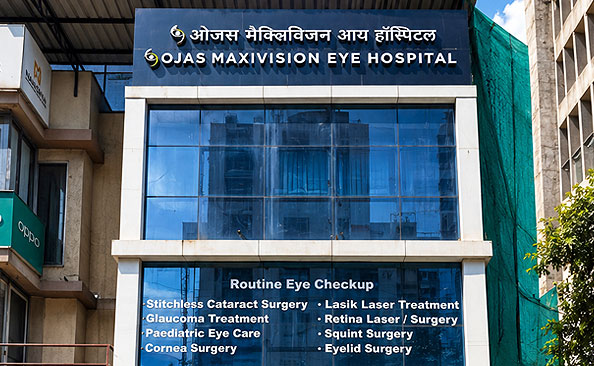
 Bandra
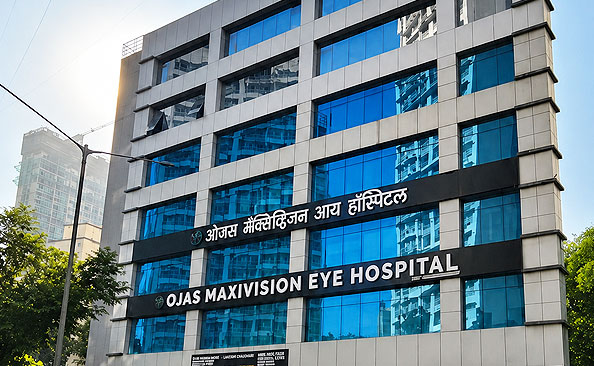 Kandivali
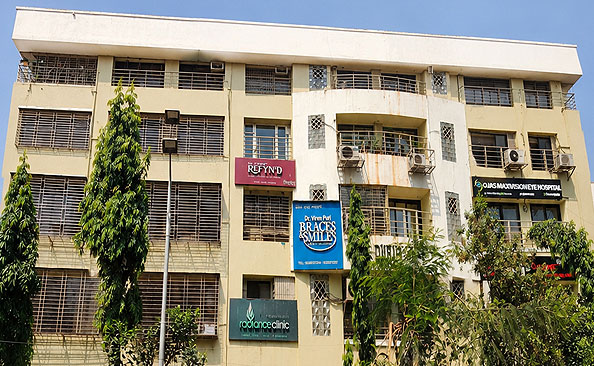 Juhu
Juhu
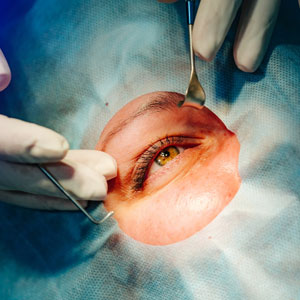
What Is PRK Surgery?
Photorefractive Keratectomy (PRK) is one of the most advanced and trusted forms of laser vision correction surgery. It is designed to correct common refractive errors such as myopia, hyperopia and astigmatism by reshaping the cornea, which is the clear front surface of the eye.
When the shape of the cornea prevents light from focusing correctly on the retina, vision becomes blurred. PRK surgery uses an advanced excimer laser to gently reshape the cornea so that light can focus more accurately, resulting in clearer vision.
Unlike LASIK, PRK does not require creating a flap in the cornea. Instead, the thin outer layer of the cornea is gently removed before the laser treatment. This layer naturally grows back as the eye heals.
PRK surgery may help improve:
- Blurred distance vision caused by myopia.
- Difficulty seeing distant objects clearly.
- Astigmatism-related visual distortion.
- Mild to moderate hyperopia.
- Dependence on glasses or contact lenses.
- Visual limitations during sports and outdoor activities.
PRK has been successfully performed for decades and remains an excellent option for suitable candidates, especially those with thinner corneas or individuals involved in contact sports.
PRK Surgery in Mumbai – An Advanced Laser Vision Correction at Ojas Maxivision Eye Hospital
Clear vision can significantly improve daily life, confidence and overall independence. For many people, constantly relying on glasses or contact lenses can become inconvenient and affect their lifestyle, work and daily activities.
At Ojas Maxivision Eye Hospital in Mumbai, we offer advanced PRK surgery using modern diagnostic procedures and personalized treatment planning. Our experienced eye specialists perform detailed eye check-up to determine whether PRK is the most suitable vision correction procedure for each patient.
PRK surgery may be recommended for:
- Myopia (nearsightedness)
- Hyperopia (farsightedness)
- Astigmatism
- Thin corneas unsuitable for LASIK
- Individuals with active lifestyles or contact sports participation
- Patients with certain corneal characteristics where flap-based procedures may not be preferred
Every treatment plan is customized based on the patient's eye health, vision requirements, occupation and lifestyle needs.
Why Is PRK Surgery Performed?
PRK surgery is performed to reduce or eliminate dependence on glasses and contact lenses by correcting refractive errors that affect visual clarity.
The procedure reshapes the cornea so that incoming light focuses properly on the retina, allowing clearer vision without the need for external corrective lenses.
People may consider PRK surgery if they:
- Have stable vision for at least one year.
- Experience discomfort with contact lens wear.
- Have thin corneas that may not be ideal for LASIK.
- Want greater visual freedom from glasses or contact lenses.
- Desire a long-term vision correction solution.
- Participate in sports or physically demanding activities.
- Meet the eligibility criteria determined by an eye specialist
A detailed eye examination helps determine whether PRK is the right treatment option based on individual visual needs and eye health.
Why Is PRK Surgery Considered an Effective Vision Correction Procedure?
PRK is known as a safe and effective laser vision correction procedure with a record of more successful results. The procedure permanently reshapes the cornea to improve the way light enters the eye.
Purpose of PRK surgery:
- Improves visual clarity and sharpness.
- Corrects refractive errors affecting vision.
- Provides long-term vision correction.
- Reduces dependence on glasses and contact lenses.
- Suitable for patients with thinner corneas.
- Eliminates flap-related surgical complications.
- Preserves more corneal tissue compared to some flap-based procedures.
Modern laser procedures allow highly precise corneal reshaping, helping many patients achieve significant improvements in their vision and quality of life.

Who Can Benefit from PRK Surgery?
PRK surgery may be suitable for adults seeking long-term vision correction and who meet specific eye health requirements.
Suitable candidates for PRK surgery may include:
- Adults aged 18 years and older.
- Patients with myopia, hyperopia or astigmatism.
- Individuals with stable vision prescriptions.
- Athletes and contact sports participants.
- People with thin corneas.
- Individuals who are not ideal candidates for LASIK.
- Individuals with healthy corneas and overall eye health.
- Patients seeking reduced dependence on glasses or contact lenses.
A detailed pre-operative evaluation helps determine whether PRK surgery is the most appropriate procedure for achieving the desired visual results.
Who May Not Be Suitable for PRK Surgery?
Although PRK surgery is highly effective for many individuals, it may not be suitable for everyone. Certain eye conditions and health factors may increase surgical risks or affect healing.
Alternative vision correction options may be recommended for:
- Individuals younger than 18 years.
- Severe dry eye disease.
- Active eye infections or inflammation.
- Patients with unstable vision prescriptions.
- Significant corneal scarring.
- Uncontrolled glaucoma.
- Advanced cataracts affecting vision.
- Advanced keratoconus or corneal ectasia.
- Certain autoimmune disorders that impair healing.
- Pregnant or breastfeeding women, due to temporary vision fluctuations.
An experienced ophthalmologist will carefully examine your eye health and discuss the safest and most effective vision correction options based on your individual needs. A detailed eye assessment can help determine whether PRK surgery is the most suitable treatment for your clearer and comfortable vision.
What Symptoms May Indicate the Need for PRK Surgery?
Many people with refractive errors depend on glasses or contact lenses for clear vision. However, some individuals may find these options inconvenient or unsuitable for their lifestyle. In such cases, PRK surgery may be considered a good treatment option.
Common signs that may indicate you could benefit from PRK surgery include:
- Blurred distance vision: Difficulty seeing road signs, television screens or distant objects clearly.
- Contact lens intolerance: Eye irritation, dryness or discomfort while wearing contact lenses.
- Frequent changes in glasses prescription: Increasing dependence on stronger corrective lenses.
- Visual limitations at work: Difficulty performing tasks that require clear vision without corrective eyewear.
- Difficulty during sports and outdoor activities: Glasses or contact lenses interfering with performance and comfort.
- Desire for greater visual independence: Wanting to reduce or eliminate reliance on glasses and contact lenses.
- Mild to moderate refractive errors: Suitable levels of myopia, hyperopia or astigmatism that can be corrected through laser vision correction.
A detailed eye examination helps determine whether PRK surgery is the most suitable treatment option based on your vision needs and eye health.

What Is Trans PRK Surgery and How Is It Different from Traditional PRK?
Trans PRK (Transepithelial Photorefractive Keratectomy) is an advanced, no-touch laser vision correction procedure used to treat refractive errors such as myopia, hyperopia and astigmatism. Unlike traditional PRK, where the outer layer of the cornea (epithelium) is removed manually or with alcohol, Trans PRK uses an excimer laser to remove the epithelium and reshape the cornea in a single, seamless step.
Because there is no direct contact with the eye and no use of surgical instruments for epithelial removal, the procedure is highly precise and gentle on the cornea. This advanced approach may improve patient comfort during the procedure and can support a smoother healing process. Trans PRK is often considered a suitable option for patients with thin corneas, active lifestyles or those who may not be ideal candidates for LASIK. This procedure is a modern alternative for achieving clearer vision with reduced dependence on glasses or contact lenses.
How Is PRK Surgery Performed?
PRK surgery is an outpatient procedure that usually takes only a few minutes per eye. The treatment is performed using advanced laser technology and does not require hospital admission.
Pre-surgery evaluation
Before surgery, a comprehensive eye examination is performed. This includes:
- Vision testing
- Corneal topography
- Corneal thickness measurement
- Tear film assessment
- Pupil evaluation
- Overall eye health examination
These tests help determine eligibility and create a customized treatment plan.
Anesthesia
Numbing eye drops are applied to keep the procedure comfortable. General anesthesia is not required.
Removal of the corneal epithelium
The thin outer layer of the cornea (epithelium) is gently removed to expose the treatment area.
Laser vision correction
An advanced excimer laser precisely reshapes the cornea according to the patient's prescription.
The laser treatment usually takes only a few seconds to a minute.
Protective contact lens placement
A soft bandage contact lens is placed on the eye to protect the cornea and support healing.
Post-procedure care
Patients are provided with medications and eye drops to reduce discomfort and support recovery. Most individuals return home shortly after the procedure.
What Are the Benefits of PRK Surgery?
PRK surgery offers long-term vision correction and remains a trusted option for patients who may not be ideal candidates for LASIK.
Benefits of PRK surgery include:
- No corneal flap creation.
- Suitable for thinner corneas.
- Reduces dependence on glasses.
- High success rates.
- Decreases the need for contact lenses.
- Corrects myopia, hyperopia and astigmatism.
- Eliminates flap-related complications.
- Long-term vision correction.
- Safe and well-established procedure.
- Suitable for athletes and physically active individuals.
After recovery, many patients enjoy clearer vision and more freedom in their daily activities.
What Are the Risks and Side Effects of PRK Surgery?
PRK surgery has an excellent safety profile when performed on appropriately selected patients. However, like any surgical procedure, it carries certain risks and temporary side effects.
Possible side effects and risks may include:
- Temporary discomfort: Mild to moderate discomfort, tearing, burning or foreign body sensation may occur during the first few days after surgery.
- Blurred vision during healing: Vision may fluctuate while the cornea heals. Visual clarity gradually improves over several weeks.
- Light sensitivity: Sensitivity to bright light is common during the initial recovery period.
- Dry eyes: Temporary dryness may occur after surgery and can usually be managed with lubricating eye drops.
- Corneal haze: A small number of patients may develop corneal haze during healing. Modern medications and treatment protocols help minimize this risk.
- Glare and halos: Some patients may temporarily notice glare, halos or starbursts around lights, particularly at night.
- Infection: Although rare, eye infections can occur after surgery. Using prescribed medicines and attending follow-up visits can help prevent them.
- Under-correction or over-correction: In some cases, minor residual refractive error may remain, requiring additional correction.
Most side effects improve as healing progresses and serious complications are uncommon when surgery is performed by experienced eye specialists.
What Is the Recovery Process After PRK Surgery?
Recovery after PRK surgery generally takes longer than LASIK because the outer corneal layer must regenerate naturally. However, the long-term visual results are often comparable.
First 24 to 72 hours
- Light sensitivity may occur.
- Mild discomfort and irritation are common.
- Watering and blurred vision are expected.
- Bandage contact lenses remain in place.
First week
- The epithelium begins healing.
- Bandage contact lenses are usually removed after several days.
- Visual clarity gradually improves.
- Most patients resume light daily activities.
Two to four weeks
- Vision continues to stabilize.
- Dryness and light sensitivity decrease.
- Many routine activities can be resumed comfortably.
One to three months
- Vision becomes progressively sharper.
- Healing continues beneath the corneal surface.
- Follow-up visits help monitor visual recovery.
Three to six months
- Final visual results are usually achieved.
- Most patients enjoy stable and improved vision.
Recovery speed varies depending on individual healing patterns and prescription levels.
What Are the Post-Operative Dos and Don'ts After PRK Surgery?
Following post-operative instructions carefully can promote smoother healing and help achieve the best visual result.
Do’s
- Use prescribed eye drops exactly as directed.
- Keep your eyes well lubricated.
- Wear protective sunglasses outdoors.
- Attend all follow-up appointments.
- Rest your eyes during the initial recovery period.
- Follow all medication instructions provided by your eye specialist.
Don’ts
- Do not rub your eyes.
- Avoid dusty or smoky environments.
- Avoid swimming until approved by your doctor.
- Avoid strenuous exercise for the recommended period.
- Do not use eye makeup during the early recovery period.
- Do not discontinue medications without medical advice.
Proper post-operative care plays a major role in successful healing and visual recovery.
When Should You Contact Your Doctor After PRK Surgery?
Although most patients recover without complications, immediate medical attention may be necessary if unusual symptoms occur.
Contact your eye specialist immediately if you experience:
- Severe eye pain.
- Increasing redness.
- Sudden decrease in vision.
- Flashes of light.
- New floaters.
- Persistent swelling.
- Signs of infection.
- Excessive discharge from the eye.
- Significant worsening of symptoms after initial improvement.
Early evaluation and timely treatment can help prevent complications and protect your visual results after PRK surgery.
PRK vs. LASIK: Which One Is Right for You?
Both PRK and LASIK are effective procedures for correcting vision, but they differ in a few important ways:
- Recovery time: PRK takes a little longer to heal since the outer layer of the cornea needs time to grow back. LASIK usually provides faster visual recovery.
- Corneal thickness: PRK is often a better option for people with thin corneas because it does not involve creating a corneal flap.
- Active lifestyle: PRK is commonly recommended for athletes, military personnel and individuals involved in contact sports because there is no corneal flap that could be affected by injury.
- Dry eye risk: People who undergo PRK may have a lower chance of experiencing dry eyes after surgery compared to those who have LASIK.
The best choice depends on your eye condition, daily activities and vision goals. An eye specialist can help determine which procedure is most suitable for you.
How Does PRK Surgery Compare to Other Vision Correction Procedures?
PRK is one of several effective options for correcting refractive errors such as myopia, hyperopia and astigmatism. The most suitable procedure depends on factors like your eye health, corneal thickness, age, prescription power and lifestyle.
PRK vs. LASIK (Laser-Assisted In Situ Keratomileusis)
Both PRK and LASIK are effective vision correction procedures. LASIK generally provides faster visual recovery, while PRK may be a better choice for people with thin corneas. PRK is also preferred for individuals with active lifestyles because it does not involve creating a corneal flap. Additionally, PRK may carry a lower risk of dry eyes after surgery. The most suitable option depends on your eye health and vision needs.
PRK vs. SMILE (Small Incision Lenticule Extraction)
Both PRK and SMILE can effectively treat myopia. However, PRK is often preferred for patients with thinner corneas or those who may not be suitable candidates for flap-based procedures. SMILE is commonly used for moderate to high myopia and usually offers faster visual recovery.
PRK vs. Refractive Lens Exchange (RLE)
RLE replaces the eye’s natural lens with an artificial intraocular lens. It is generally considered for older adults, especially those with presbyopia or age-related vision changes that cannot be fully corrected with corneal laser procedures.
PRK vs. ICL (Implantable Collamer Lens)
ICL involves placing a special lens inside the eye to correct vision. It may be recommended for people with very high refractive errors or those who are not suitable for laser vision correction procedures such as PRK or LASIK.
Each vision correction procedure offers its own benefits and limitations. A detailed eye examination by an ophthalmologist can help determine the safest and most effective treatment option based on your individual vision needs and lifestyle.
Can PRK Surgery Correct Vision Problems Along with Refractive Errors?
Yes. PRK surgery is designed to correct common refractive errors that prevent light from focusing properly on the retina.
PRK may help improve:
- Myopia (nearsightedness).
- Hyperopia (farsightedness).
- Astigmatism
- Blurred distance vision.
- Visual distortions caused by irregular corneal shape.
- Dependence on glasses and contact lenses.
Many patients experience significantly improved visual clarity after PRK surgery. However, natural age-related changes such as presbyopia may still develop later in life and could require reading glasses.
Treatment results depend on factors such as:
- Prescription strength
- Corneal health
- Healing response
- Overall eye condition
- Adherence to post-operative care instructions
Your ophthalmologist will discuss realistic expectations and expected visual results with you before surgery.
Book Your Appointment for PRK Surgery in Mumbai at Ojas Maxivision Eye Hospital
If you are looking to reduce your dependence on glasses or contact lenses and achieve clearer vision, PRK surgery may be an effective long-term solution. Early evaluation can help determine whether you are a suitable candidate and which laser vision correction procedure is most appropriate for your eyes.
At Ojas Maxivision Eye Hospital, our experienced ophthalmologists provide complete eye examinations, advanced diagnostic testing and personalized treatment planning to help patients achieve safer and better results.
If you are searching for an eye hospital in Mumbai or exploring options for PRK surgery treatment in Mumbai, our team provides personalized eye care using advanced technology and modern treatment methods.
Frequently Asked Questions About PRK Surgery
Yes. PRK is a safe and proven vision correction procedure that has been successfully performed worldwide for many years. It provides excellent long-term results for suitable candidates.
Both procedures are effective. PRK is often recommended for people with thin corneas or active lifestyles, while LASIK usually offers faster recovery. The best option depends on your eye condition.
PRK is generally painless during the procedure because numbing eye drops are used. Some mild discomfort, irritation or light sensitivity may occur during the first few days of healing.
Vision improves gradually after PRK. Most patients notice better vision within a few weeks, while complete visual stabilization may take several months.
Many patients significantly reduce or eliminate their dependence on glasses and contact lenses after PRK. However, some people may still need glasses for certain activities or age-related vision changes.
The cost of PRK surgery depends on several factors, including the procedure followed, the complexity of the refractive error, pre-operative evaluation and individual treatment requirements. A consultation with an eye specialist can provide a personalized treatment estimate. To arrange an appointment, please reach out to us by phone or email.
Ojas Maxivision Eye Hospital offers cashless treatment facilities for eligible procedures through selected insurance providers and empanelled organizations. The hospital is empanelled with CGHS, RBI, NABARD and BSNL. Patients are advised to verify insurance eligibility, approval requirements and treatment coverage with the hospital before planning treatment.
Ojas Maxivision Eye Hospital has multiple centres across Mumbai, Maharashtra, including Bandra (West), Kandivali (East) and Juhu. The hospital provides complete eye care services, advanced diagnostic facilities and modern vision correction treatments, all under one roof.