


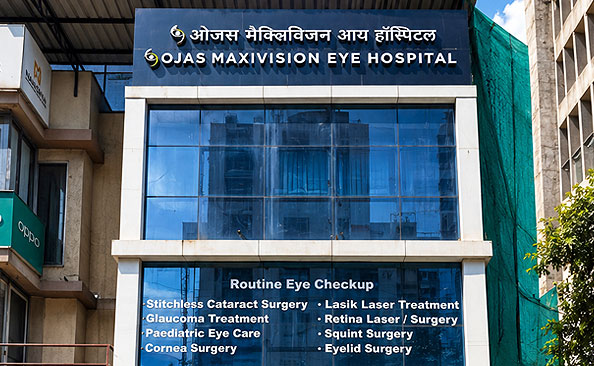
 Bandra
 Kandivali
 Juhu
Juhu

What Is Corneal Transplantation (Keratoplasty)?
Corneal transplantation, also known as keratoplasty, is a surgical procedure where a damaged or diseased cornea is replaced with a healthy donor cornea. The cornea is the transparent, dome-shaped window at the front of your eye. It helps light enter the eye and focus properly so you can see clearly.
When the cornea becomes cloudy, swollen, scarred or irregular due to injury, infection or eye diseases, vision starts to blur. Some people may also experience pain, light sensitivity or difficulty seeing at night.
In such cases, medicines or eye drops, glasses or contact lenses may not be enough to improve vision. Corneal transplantation helps restore clarity and improve visual quality when other treatments are not effective.
During the surgery, the eye surgeon carefully removes the damaged part of the cornea and replaces it with healthy donor tissue. This procedure helps:
- Restore clearer vision
- Reduce eye pain caused by corneal disease
- Improve the appearance and shape of the cornea
- Slow down or stop further eye damage
Corneal transplantation is one of the most successful and widely performed eye surgeries globally. Most patients experience significant improvement in vision and a better quality of life within weeks or months.
However, like any surgery, it has some risks, such as infection or rejection of the donor cornea, so proper follow-up and regular check-ups with an eye specialist are important.
If you have persistent blurred vision, corneal scarring or discomfort that isn’t improving with treatment, your eye doctor may suggest cornea transplantation as the next step.
When Is a Cornea Transplant Recommended?
A cornea transplant is recommended when the cornea becomes damaged, cloudy or irregular and treatments like medicines, glasses or contact lenses no longer improve vision. The cornea helps focus light clearly. When it becomes scarred, swollen or thin, vision may become blurred, distorted or painful. In such cases, a corneal transplant can help restore vision and improve comfort.
What Conditions May Need a Cornea Transplant?
A cornea transplant may be recommended in the following conditions:
- Corneal ectatic conditions like Keratoconus, Keratoglobus, etc: The cornea becomes thin and bulges outward, leading to blurred or distorted vision.
- Corneal dystrophies :They are a group of hereditary conditions that cause damage to different layers of the cornea which cause defective.
- Corneal Scarring: Scars due to infections, injuries or burns that make the cornea cloudy.
- Corneal Ulcers: These are serious infections that damage the cornea and may not heal with medicines.
- Corneal Edema: Swelling due to fluid buildup, causing hazy or unclear vision.
- Bullous Keratopathy: Formation of painful fluid-filled blisters on the cornea.
- Eye Injuries or Chemical Burns: Damage that affects the transparency of the cornea.
- Complications after Eye Surgery: Problems following surgeries like cataract surgery.
- Failed Previous CornealTransplant: When a previous corneal transplant does not work and needs replacement.
- Inherited Corneal Conditions: Genetic disorders that affect the shape or function of the cornea.
If you are experiencing any of these conditions or notice ongoing vision problems, it is important to consult an eye specialist. Early diagnosis and the right treatment can help protect your vision and determine whether a cornea transplant is the best option for you.
How Do You Know If You Need a Cornea Transplant?
You may need a cornea transplant if:
- Vision remains blurred despite glasses or lenses.
- The cornea becomes cloudy, swollen or scarred.
- Persistent eye pain or irritation.
Your eye specialist will examine your condition and suggest the best treatment based on the severity of damage.
What Are the Different Types of Cornea Transplantation (Keratoplasty)?
Cornea transplant surgery is not the same for everyone. The type of procedure depends on which layer of the cornea is damaged and the cause of the problem. In some cases, only a part of the cornea is replaced, while in others, the entire cornea may need to be transplanted. Your eye specialist will choose the most suitable option based on your eye condition, safety and expected visual results.
Penetrating Keratoplasty (PK) (Full-Thickness Transplant)
This is the traditional type of cornea transplant where the entire damaged cornea is removed and replaced with a healthy donor cornea. It is usually recommended when all layers of the cornea are affected, such as in severe scarring, advanced keratoconus or corneal swelling. Recovery may take longer, but it is effective in restoring vision in serious cases.
Deep Anterior Lamellar Keratoplasty (DALK)(Partial-thickness transplant)
In this procedure, only the outer and middle layers of the cornea are replaced, while the inner layer is kept intact. It is commonly used for conditions like keratoconus or surface scarring where the inner layer is still healthy. This method has a lower risk of rejection and better eye strength after surgery.
Endothelial Keratoplasty (EK)
This procedure is a modern, minimally invasive surgery where only the innermost layer of the cornea (endothelium) is replaced. It is mainly used for conditions like Fuchs’ dystrophy or corneal edema. Patients usually experience quicker healing, better comfort and faster improvement in vision with this method.
Descemet’s Stripping Automated Endothelial Keratoplasty (DSAEK)
This is a type of endothelial keratoplasty, in which only the inner layer of the cornea (endothelium) is replaced with healthy donor tissue. It is commonly used for conditions like Fuchs’ dystrophy.
Descemet’s Membrane Endothelial Keratoplasty (DMEK)
This is a more advanced technique of endothelial keratoplasty where an even thinner inner layer of the cornea is replaced. It usually offers quicker recovery and a lower risk of complications.
Artificial Cornea (Keratoprosthesis)
This involves placing a man-made cornea instead of donor tissue. It is considered when standard transplants are not possible or have failed multiple times. This option is used in complex cases and requires long-term follow-up care.
Each type of cornea transplant is designed to treat specific problems. Your eye doctor will recommend the most suitable procedure to give you the best possible vision and long-term results.
Which Specialist Performs Cornea Transplant Surgery?
Corneal transplant surgery is performed by a highly trained eye specialist called an ophthalmologist who has advanced training in corneal diseases and surgery. These experts diagnose corneal conditions and perform various types of corneal transplant procedures.
Key points about these specialists:
- Specialized training: Ophthalmologists with extra training in corneal diseases and transplant surgery.
- Expert in procedures: Perform advanced techniques like full-thickness (penetrating keratoplasty) and partial transplants (DALK, DSEK, DMEK).
- Pre-surgery evaluation: Carefully examine the eye to decide the most suitable type of transplant.
- Donor tissue management: Coordinate with certified eye banks to arrange safe and healthy donor cornea.
- Surgical expertise: Perform the procedure using modern techniques for better precision and safety.
- Post-surgery care: Monitor healing, manage medications and check for complications like graft rejection
Corneal transplants are usually performed at specialized eye hospitals or advanced centers to ensure safe surgery and the best possible vision results.
What Are the Benefits Of Cornea Transplant Surgery?
Cornea transplant surgery (keratoplasty) offers several important benefits, especially for people with damaged or diseased corneas. It mainly helps improve vision, reduce discomfort and restore the normal appearance of the eye. This procedure has a high success rate and can greatly improve a patient’s quality of life.
Key benefits include:
- Clearer vision: Replaces a cloudy or scarred cornea with healthy donor tissue, helping light focus properly and improving eyesight.
- Relief from pain: Reduces eye pain, irritation and discomfort caused by conditions like corneal swelling, ulcers or infections.
- Better appearance: Restores the natural clear look of the eye by removing white or opaque scars.
- High success rate: Cornea transplants are among the most successful transplant surgeries, especially for conditions like keratoconus and Fuchs’ dystrophy.
- Advanced techniques available: Modern procedures like partial-thickness transplants (DSEK, DMEK) offer faster recovery and lower risk of rejection.
- Short surgery time – Usually completed within an hour and often done as a day-care (same-day discharge) procedure.
- Return to daily activities: Better vision helps patients get back to reading, driving and working.
- Long-lasting results: A successful transplant can provide clear vision for many years with proper care and follow-up.
Overall, cornea transplant surgery can significantly improve both vision and eye comfort, helping patients lead a more active and independent life.
When Should You See an Eye Specialist for Cornea Transplantation (Keratoplasty)?
Early consultation helps prevent further vision damage and allows timely treatment.
You should see an eye specialist if:
- Your vision is getting progressively worse
- You experience persistent eye pain or redness
- You have a history of corneal infection or injury
- Glasses or lenses no longer improve your vision
- You notice sudden vision changes
- If severe eye pain occurs
- If your vision suddenly drops
- If you notice swelling or discharge
How Should You Prepare for Cornea Transplant Surgery?
Preparing for a cornea transplant is important to ensure a safe surgery and smooth recovery. Your doctor will guide you through a few simple steps before the procedure.
- Complete eye check-up: Get a detailed eye examination to assess your condition.
- Discuss your medications: Inform your doctor about all medicines you take, including blood thinners, some may need to be stopped before surgery.
- Stop contact lens use: Avoid wearing contact lenses in the affected eye for a few days or weeks before surgery.
- Follow fasting instructions: Do not eat or drink anything after midnight before the surgery, if advised.
- Prepare for surgery day: Wear comfortable clothes and avoid makeup, creams or jewelry.
- Arrange help after surgery: Have someone accompany you, drive you home and assist you for at least 24 hours.
- Plan post-surgery care: Be ready to use prescribed eye drops to prevent infection and rejection.
Following these steps helps reduce risks and supports better healing after your cornea transplant surgery.
How Is Cornea Transplant Surgery (Keratoplasty) Performed?
Cornea transplant surgery is a careful and step-by-step procedure done to replace the damaged part of the cornea with healthy donor tissue.
Here’s how the procedure is usually done:
- Pre-surgery check-up: The eye doctor performs a detailed eye examination, including scans and measurements of the cornea.
- Anesthesia: The surgery is done under local or general anesthesia so the patient does not feel pain.
- Removal of damaged cornea: The surgeon gently removes the affected part of the cornea using precise instruments.
- Placement of donor cornea: A clear, healthy donor cornea is placed in the same position.
- Fixing the new cornea: The donor cornea is secured with very fine stitches or other advanced techniques.
- After-surgery care: Eye drops, medicines and regular follow-ups are important to help healing and prevent complications.
This step-by-step process helps ensure safe surgery and better vision results.
What Should You Expect After Cornea Transplant Surgery (Keratoplasty)?
Recovery after a cornea transplant can vary from person to person and depends on the type of surgery performed. Vision improvement is usually gradual and proper care is important for successful healing.
What you can expect after surgery:
- Blurry vision initially: Vision may remain unclear for a few weeks or months as the eye heals and adjusts.
- Use of eye drops: You will need to use prescribed eye drops (especially steroid drops) to prevent infection and rejection.
- Protecting the eye: A protective eye shield may be advised, especially while sleeping, to avoid injury.
- Activity restrictions: Avoid heavy lifting, bending, strenuous exercise and rubbing your eyes for a few weeks.
- Regular follow-ups: Frequent check-ups are important to monitor healing and detect any complications early.
- Gradual vision improvement: Recovery may take a few months for partial transplants and up to a year for full-thickness transplants.
When Should You Contact Your Doctor Immediately?
Seek immediate medical attention if you notice increased redness, pain, blurred vision or sensitivity to light, as these may be signs of infection or graft rejection.
Note:With proper care and regular follow-ups, most patients experience significant improvement in vision and eye comfort over time.
How Should You Take Care of Your Eyes After Cornea Transplant Surgery?
Taking proper care after a cornea transplant is very important for healing and long-term success. Following your doctor’s advice can help prevent complications and improve results.
Important aftercare tips:
- Protect your eye: Wear an eye shield while sleeping for 2 to 4 weeks and use sunglasses during the day.
- Use medicines properly: Apply antibiotic and steroid eye drops exactly as prescribed and keep your hands clean before use.
- Maintain eye hygiene: Do not rub or press the eye; gently clean the eyelids if needed.
- Avoid touching or rubbing the eye: Do not touch or rub your eye to prevent injury and protect the healing cornea.
- Attend regular follow-ups: Visit your eye doctor as advised to monitor healing.
- Limit strenuous activities: Avoid heavy exercise, bending or activities that may strain the eyes.
- Bathing precautions: You can bathe, but avoid getting water, soap or shampoo into the eye for a few weeks.
- Avoid eye strain: Limit screen time and stay away from dust, smoke and pollution.
Following these simple steps can support faster recovery and help maintain clear vision after your cornea transplant.
What Are the Risks and Complications of Cornea Transplant Surgery (Keratoplasty)?
Cornea transplant surgery (keratoplasty) is usually safe and successful, but like any surgery, it can have some risks. These may include the body rejecting the donor cornea, infection, increased eye pressure (glaucoma), cataracts or bleeding. Certain factors like previous transplant failure, severe eye inflammation, chemical burns or young age can increase the chances of complications.
Possible risks and complications include:
- Infection: Infection can occur on the surface of the eye or inside the eye.
- Graft rejection: The body’s immune system may attack the new cornea, causing redness, pain and blurred vision.
- Graft failure: The transplanted cornea may not stay clear or function properly.
- Glaucoma: Increased pressure inside the eye, which may affect vision.
- Retinal problems: Rare issues like retinal swelling or detachment.
- Vision problems: Issues like astigmatism may require glasses or contact lenses.
- Cataract formation: Clouding of the natural lens of the eye.
Regular follow-ups and proper care can help detect and manage these complications early.
What Are the Signs of Cornea Transplant Rejection?
Sometimes, the body’s immune system may attack the transplanted cornea. This is called rejection and needs quick medical attention to prevent damage to vision.
Watch for these symptoms:
- Sudden blurring or loss of vision
- Eye pain or discomfort
- Redness in the eye
- Sensitivity to light (photophobia)
Cornea transplant rejection can happen in some patients, but early treatment can often control it. If you notice any of these signs, contact your eye doctor immediately.
Did you know?
- Cornea transplantation is one of the most successful organ transplant procedures.
- Only the cornea can be transplanted without matching blood groups in most cases.
- Vision improvement may take weeks to months depending on the type of surgery.
- Partial corneal transplants are now more common and allow faster recovery.
- Donor corneas are carefully screened for safety and quality.
Are There Alternatives to Cornea Transplant Surgery (Keratoplasty)?
In some cases, a cornea transplant may not be needed right away. Depending on your condition, your eye doctor may suggest other treatments to improve vision or slow disease progression.
Common alternatives include:
- Special contact lenses: Lenses like scleral lenses can improve vision in irregular corneas.
- Corneal cross-linking: A treatment that strengthens the cornea and helps stop the worsening of conditions like keratoconus.
- Artificial cornea (keratoprosthesis): A synthetic cornea used in severe cases where donor transplants are not suitable.
- Laser treatment (PTK): A laser procedure used to remove surface scars and improve corneal clarity.
Your doctor will recommend the best option based on the severity of your condition and your vision needs.
Key points to know:
- Recovery depends on the type of transplant.
- Regular follow-up is essential.
- Vision improves gradually.
- Risk of rejection is low but possible.
- Proper care ensures long-term success.
What Questions Should You Ask Your Eye Specialist?
You can ask your doctor these simple questions:
- Do I need a cornea transplant?
- Which type is suitable for me?
- What are the risks in my case?
- How long will recovery take?
- Will I need glasses after surgery?
- What precautions should I follow?
Can Cornea Problems Be Prevented?
Not all corneal conditions can be prevented, but you can reduce risk:
- Maintain good eye hygiene.
- Avoid overuse of contact lenses.
- Protect eyes from injury.
- Treat infections early.
- Regular eye check-ups.
Book Your Cornea Transplantation Consultation at Ojas Maxivision Eye Hospital
If you are looking for an eye hospital in Mumbai for advanced cornea care, Ojas Maxivision Eye Hospital offers expert evaluation and personalized treatment options. Our experienced eye surgeons provide safe and modern cornea transplantation in Mumbai using advanced procedures for better visual results.
Frequently Asked Questions About Cornea Transplantation
A cornea transplant may be needed for people with severe corneal damage due to infections, injuries, keratoconus, corneal scarring or conditions like Fuchs’ dystrophy. It is usually recommended when vision cannot be improved with glasses, lenses or medicines.
Yes, cornea transplant surgery is generally safe and has a high success rate, especially when performed by an experienced eye specialist. With modern techniques and proper aftercare, most patients experience improved vision and minimal complications.
Cornea transplant surgery usually takes about 1 to 2 hours, depending on the type of procedure. It is commonly done as a day-care surgery, which means you can go home the same day after a short recovery period.
No, the surgery is not painful because it is performed under local or general anesthesia. You may feel mild discomfort or irritation after the procedure, but this can be managed with medicines and usually improves within a few days.
Donor corneas are collected from people who have donated their eyes after death. The tissue is carefully tested and screened by certified eye banks to ensure it is safe and suitable for transplantation.
Cornea transplant has a high success rate, especially for conditions like keratoconus and Fuchs’ dystrophy. Many patients achieve good vision improvement.
Recovery time varies depending on the type of transplant. Partial transplants may heal within a few months, while full-thickness transplants can take up to a year for complete visual recovery and stability.
Yes, the body can sometimes reject the donor cornea, but this is not very common. Early detection and proper use of prescribed eye drops can usually control rejection and protect the transplant.
Common symptoms of rejection include redness in the eye, pain, sensitivity to light and sudden blurred vision. If you notice any of these symptoms, it is important to contact your eye doctor immediately for timely treatment.
Vision usually improves significantly after a cornea transplant, but it may not always be perfect. Some patients may still need glasses or contact lenses to achieve the best possible vision.
Yes, both eyes can be treated if needed, but usually one eye is operated on at a time. This allows proper healing and helps the doctor monitor the result before planning surgery for the second eye.
You can usually return to light work within a few days to a couple of weeks, depending on your recovery. However, full healing takes longer and strenuous activities should be avoided until your doctor allows it.
No, you should avoid rubbing or touching your eyes after surgery. Rubbing can damage the new cornea and increase the risk of complications, especially during the healing period.
Cornea transplant is usually a day-care procedure, so hospitalization is not required. Most patients can go home the same day after surgery with proper instructions and medications.
After surgery, avoid heavy lifting, protect your eyes from dust and sunlight, use prescribed eye drops regularly and attend follow-up visits. These steps are important for proper healing and long-term success.
Yes, a cornea transplant can be performed in children if needed. It is usually done in cases of severe corneal damage or congenital conditions to help improve vision and support proper visual development.
Delaying treatment can lead to worsening vision, increased damage to the cornea and sometimes permanent vision loss. Early diagnosis and timely treatment help improve results and prevent complications.
In some cases, the original problem or new issues may develop over time. However, with proper care, regular follow-ups and medication, the risk can be reduced and long-term results can be maintained.
The cost of cornea transplant surgery depends on the type of procedure, technology used, the patient’s condition and the experience of the eye surgeon. For an accurate estimate, it is best to consult the hospital and discuss your specific needs. Please contact us by phone or email to book an appointment.
Yes, Ojas Maxivision Eye Hospital offers cashless treatment through selected insurance providers for eligible cases. We are empaneled with CGHS, RBI, NABARD and BSNL. Patients are advised to confirm their eligibility and coverage details with the hospital before planning the procedure.
Ojas Maxivision Eye Hospital is located in Mumbai, Maharashtra, with centers in Bandra (West), Kandivali (East) and Juhu, making it easily accessible for patients across the city.
Key Facts About Cornea Transplantation (Keratoplasty)
- Cornea transplantation is a surgery where a damaged or cloudy cornea is replaced with a healthy donor cornea.
- The cornea is the clear front part of the eye that helps focus light for clear vision.
- Damage to the cornea can cause blurred vision, glare, pain or sensitivity to light.
- Common causes include infections, injuries, keratoconus and corneal dystrophies.
- Not all patients need a full transplant, partial layer transplants are also possible.
- Donor corneas are carefully screened to ensure safety and suitability.
- Recovery time varies from weeks to months, depending on the type of surgery.
- Cornea transplant has a high success rate, especially with modern techniques.
- Early diagnosis and timely treatment improve results and reduce complications.