


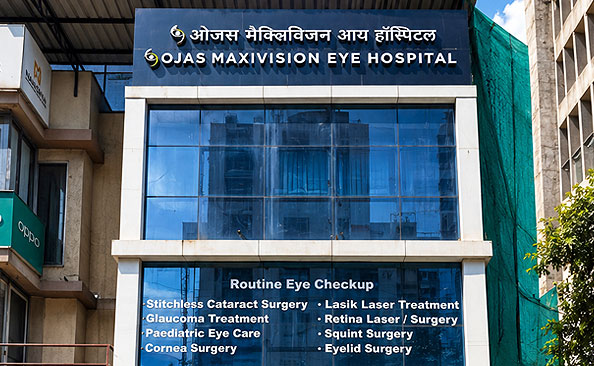
 Bandra
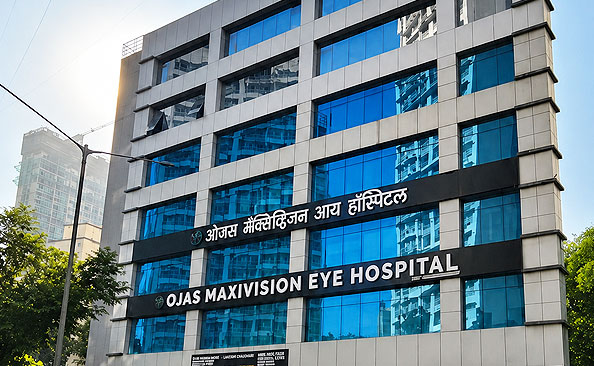 Kandivali
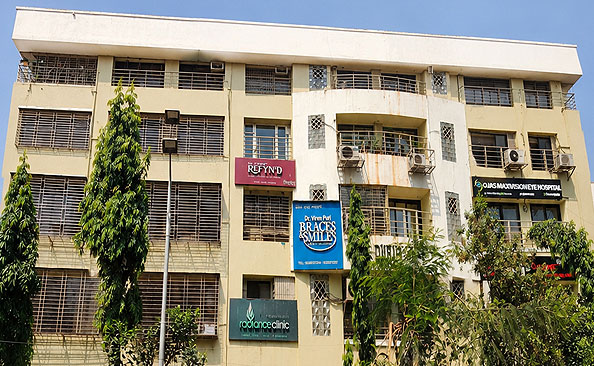 Juhu
Juhu
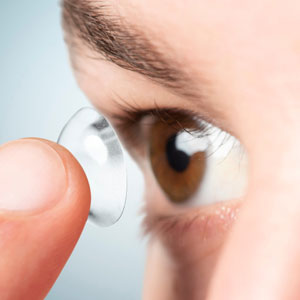
What Are Contact Lenses?
Contact lenses are thin, transparent lenses worn directly on the surface of the eye to correct vision. They work by helping focus light accurately onto the retina, allowing you to see more clearly.Unlike spectacles, contact lenses move naturally with your eyes and provide a wider field of vision without frames obstructing your view.
With proper fitting, regular follow-up and good lens hygiene, contact lenses provide safe, comfortable and effective vision correction for many people.
Why Are Contact Lenses Used?
Contact lenses are prescribed to improve vision by correcting refractive errors without the need for spectacles. They also offer greater convenience for many daily activities and may be used in the management of certain eye conditions.
Your ophthalmologist may recommend contact lenses if you:
- Have myopia (short-sightedness)
- Have hyperopia (long-sightedness)
- Have astigmatism
- Have presbyopia
- Participate in sports or outdoor activities
- Want a wider and more natural field of vision
- Have irregular corneal conditions such as keratoconus
- Need specialty lenses after certain eye surgeries
- Prefer cosmetic coloured lenses under professional supervision
The choice of contact lens depends on your eye health, prescription, age, lifestyle and individual preferences.
What Are the Different Types of Contact Lenses?
Different types of contact lenses are available to suit various vision needs, eye conditions and lifestyles. Your eye specialist will recommend the most appropriate lens after a detailed eye examination.
- Rigid gas permeable (RGP) lenses: Also called hard lenses, these provide sharp vision and are often recommended for certain eye conditions. They are reused daily and usually last 1 - 2 years.
- Soft contact lenses: Made of flexible plastic, these are the most comfortable and commonly used. They are available as daily disposable or reusable lenses that are replaced every 1 - 3 months.
- Hybrid contact lenses: These combine a hardcenter with a soft outer ring, offering the clear vision of hard lenses with the comfort of soft lenses. They usually last about six months.
- Toric contact lenses: Toric lenses are specially designed to correct astigmatism by maintaining a stable position on the eye.
- Multifocal contact lenses: Multifocal contact lenses are used to correct presbyopia, allowing patients to see clearly at near, intermediate and distance ranges.
- Scleral contact lenses: Scleral lenses are large-diameter specialty lenses that rest on the white part of the eye instead of the cornea.They are often recommended for keratoconus, severe dry eyes, corneal irregularities or for eyes with previous corneal surgery.
- Orthokeratology (Ortho-K) lenses: Special hard lenses worn overnight to temporarily reshape the cornea, providing clear vision during the day without glasses or contact lenses.
- Cosmetic contact lenses: Designed to change the appearance of the eyes rather than correct vision. They still require a proper prescription and fitting to ensure safe use.
Who Can Benefit from Contact Lenses?
Many people can safely wear contact lenses after a complete eye examination.
Suitable candidates may include:
- Children recommended by an ophthalmologist
- Teenagers and adults with refractive errors
- People with active lifestyles
- Individuals involved in sports
- Patients with astigmatism
- People with presbyopia
- Patients with keratoconus requiring specialty lenses
- Individuals seeking cosmetic coloured contact lenses
- Patients requiring vision correction after certain eye procedures
A professional contact lens assessment helps determine the safest and most suitable option for each individual.
Who May Not Be Suitable for Contact Lenses?
Although contact lenses are safe for many people, they may not be suitable for everyone.
Additional evaluation or alternative treatment may be needed in patients with:
- Active eye infections
- Severe dry eye disease
- Poor eyelid hygiene
- Significant eye allergies
- Certain corneal diseases
- Uncontrolled diabetes affecting eye health
- Poor compliance with lens hygiene
- Inability to insert or remove contact lenses safely
Your eye specialist will determine whether contact lenses are appropriate based on your overall eye health.
What Are the Benefits of Contact Lenses?
Contact lenses provide clear vision while offering greater convenience and freedom from spectacles for many people.
Benefits include:
- Clear and natural vision
- Wider field of view than spectacles
- Improved appearance without glasses
- Greater comfort during sports and physical activities
- No fogging or reflections
- Better compatibility with protective eyewear and helmets
- Convenient for active lifestyles
- Available for a wide range of vision problems
- Specialty lenses can improve vision in certain corneal conditions
With proper fitting and care, contact lenses can safely improve both vision and quality of life.
What Are the Risks and Side Effects of Contact Lenses?
Contact lenses are generally safe when prescribed by an eye specialist and used correctly. However, improper use or poor lens hygiene can increase the risk of complications.
Common temporary side effects include:
- Mild eye irritation
- Dry eyes
- Redness
- Temporary blurred vision
- Foreign body sensation
- Increased watering
Less common complications may include:
- Eye infections
- Corneal ulcers
- Allergic reactions
- Corneal scratches
- Contact lens intolerance
- Reduced oxygen supply to the cornea
- Vision-threatening infections if lenses are not cared for properly
Most complications can be prevented by following your ophthalmologist's instructions and maintaining good contact lens hygiene.
How Should You Care for Your Contact Lenses?
Proper lens care is essential to keep your eyes healthy and reduce the risk of infection.
Important contact lens care tips include:
- Wash and dry your hands before handling lenses.
- Clean and disinfect reusable lenses as instructed.
- Replace lenses according to the recommended schedule.
- Use only the lens solution recommended by your eye specialist.
- Never use tap water or saliva to clean contact lenses.
- Replace your contact lens case every three months or as advised.
- Remove your lenses before swimming unless wearing approved protective goggles.
- Avoid sleeping in contact lenses unless specifically advised by your ophthalmologist.
- Never share contact lenses with another person.
- Attend regular eye check-ups to monitor your eye health.
Good hygiene and regular follow-up visits are the key to comfortable and safe contact lens wear.
When Should You Avoid Wearing Contact Lenses?
There are certain situations when contact lenses should not be worn.
Avoid wearing your lenses if you have:
- Red or painful eyes
- Eye infection
- Excessive watering
- Severe eye allergy
- Eye injury
- Sudden blurred vision
- Significant eye discharge
- Fever associated with an eye infection
If any of these occur, remove your contact lenses immediately and consult your eye specialist.
When Should You Contact Your Eye Doctor?
Although most contact lens users do not experience problems, some symptoms require immediate medical attention.
Contact your eye specialist immediately if you experience:
- Sudden decrease in vision
- Severe eye pain
- Persistent redness
- Increasing light sensitivity
- Thick or yellow eye discharge
- Swelling around the eye
- Contact lens stuck in the eye
- Eye injury while wearing contact lenses
- Persistent discomfort even after removing the lenses
Early treatment can help prevent serious complications and protect your vision.
Book Your Appointment for Contact Lens in Mumbai at Ojas Maxivision EyeHospital
If you are looking for a comfortable alternative to spectacles or need expert guidance for contact lenses, the experienced eye specialists at Ojas Maxivision Eye Hospital are here to help.
We offerthorough eye examinations, personalized contact lens and expert advice for a wide range of vision needs, including myopia, hyperopia, astigmatism, presbyopia and specialty contact lenses. Our goal is to provide clear vision, comfort and safe contact lens wear through individualized care and regular follow-up.
If you are searching for an eye specialist in Mumbai, visit Ojas Maxivision Eye Hospital for advanced, patient-focused eye care.
Frequently Asked Questions About Contact Lenses
Yes, contact lenses are safe when they are prescribed by an experienced ophthalmologist, fitted correctly and worn according to the recommended instructions. Maintaining proper lens hygiene and attending regular eye check-ups help reduce the risk of infections and other complications.
Most people can wear contact lenses every day if their eyes are healthy and they follow the wearing schedule recommended by their eye specialist. Your doctor will advise you on how many hours you can safely wear your lenses each day.
In general, sleeping with contact lenses is not recommended unless your ophthalmologist has specifically prescribed lenses approved for overnight wear. Sleeping in regular contact lenses increases the risk of eye infections and corneal complications.
Yes. Many children and teenagers can safely wear contact lenses if they are responsible enough to handle and care for them properly. Contact lenses may also be recommended for myopia control or certain eye conditions after a detailed eye examination.
Replacement depends on the type of lens prescribed. Daily disposable lenses are discarded after one use, while fortnightly, monthly and rigid gas permeable lenses should be replaced according to your eye specialist's recommendations. Never continue using lenses beyond the advised replacement schedule.
The cost of contact lenses in Mumbai varies depending on several factors, including the type of lenses, the lens material, the replacement schedule, your prescription and whether specialty lenses are required. A thorough eye examination will help determine the most suitable option and provide an accurate cost estimate. Please contact Ojas Maxivision Eye Hospital to schedule an appointment and learn more about your treatment options.
Yes, Ojas Maxivision Eye Hospital offers cashless insurance facilities for eligible eye treatments through approved insurance providers and empanelled organizations, including CGHS, RBI, NABARD and BSNL. However, contact lenses are generally not covered under standard health insurance policies unless they are medically necessary as part of a covered treatment or surgery. Coverage depends on your insurance policy, eligibility and prior approvals. Patients are advised to check with the hospital and their insurance provider to confirm whether their contact lens expenses are covered.
Ojas Maxivision Eye Hospital has multiple centres across Mumbai, Maharashtra, including Bandra (West), Kandivali (East) and Juhu. Our experienced ophthalmologists provide complete eye care services, including contact lens evaluation, professional contact lens fitting, specialty contact lenses and complete follow-up care using advanced diagnostic procedures.