


 Bandra
 Kandivali
 Juhu
Juhu
What Is Squint (Strabismus)?
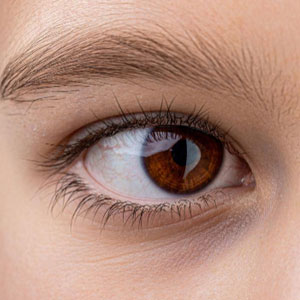
Squint, also called strabismus, is a condition where both eyes do not move together in the same direction. One eye may look straight ahead, while the other may turn inward, outward, upward or downward. Because of this misalignment, both eyes cannot focus on the same object at the same time, which can affect clear vision and depth perception. In some cases, if left untreated, it may lead to double vision or lazy eye.
This misalignment may be constant or may come and go, especially when a person is tired or focusing on nearby objects. Squint can occur at any age but is more commonly seen in children. Early detection in children is very important, as treatment during the growing years is usually more effective. Adults can also develop a squint due to nerve problems, injuries or certain medical conditions affecting the eye muscles.
In children, untreated squint can lead to lazy eye (amblyopia), where the brain starts ignoring the image from one eye. In adults, it can cause double vision and difficulty in judging distances.
It is also important to understand the difference between a true squint and a pseudo squint. In pseudo squint, the eyes may appear misaligned due to facial features like a broad nose bridge or skin folds, but the eyes are actually properly aligned and do not require treatment.
A true squint involves actual misalignment of the eyes and requires proper evaluation by an eye specialist. Early treatment with glasses, eye patching or exercises can improve the condition in many cases, while more severe cases may need surgery for correction.
What Does a Childhood Squint Mean?
A childhood squint means that a child’s eyes are not properly aligned and do not work together. One eye may look straight, while the other may turn inward, outward, upward or downward. Childhood squint can be present from birth or develop in early years. It may be caused by refractive errors (like long-sightedness), muscle imbalance, or family history.
Sometimes, what looks like a squint may actually be a pseudo squint. This is common in young children and happens due to facial features like a broad nose bridge or extra skin folds near the eyes. In such cases, the eyes only appear misaligned but are actually normal and do not need treatment. However, an eye specialist should confirm this.
If you notice any signs of squint in your child, it is important to get their eyes checked as early as possible. Early diagnosis can help prevent long-term vision problems and improve treatment results.
What Does a Squint in Adulthood Mean?
A squint in adulthood means the eyes are not properly aligned and point in different directions. A squint, also called strabismus, happens when the eyes are not properly aligned and point in different directions. Although it is more common in children, adults can also develop squint. It can affect vision, depth perception and sometimes cause double vision. It can also impact confidence and daily activities like reading or driving.
Adult squint often develops due to nerve problems, muscle imbalance, eye strain, injuries or health conditions like diabetes or thyroid disorders. It can also occur if a childhood squint returns later in life or if there is vision loss in one eye. In some cases, it may appear suddenly and requires immediate medical attention.
A sudden squint in adults can be a warning sign of a serious problem like a stroke or brain-related condition, so it should not be ignored. Early diagnosis is important to find the cause and start the right treatment.
What Are the Squint Symptoms You Should Not Ignore?
The symptoms of squint eyes (strabismus) can vary depending on age, how severe the condition is and whether it is constant or comes and goes. Some signs are clearly visible, while others are noticed when vision problems begin. Early identification is important for timely treatment and to avoid long-term complications.
Eye Misalignment (Most Common Sign):
- One eye looks straight while the other turns upward, downward, inward or outward.
- Eyes may not move together while focusing on an object.
- Misalignment can be occasional (mild cases) or constant (severe cases).
Double Vision (Diplopia):
- Seeing two images of the same object.
- More common in adults with sudden squint.
- Happens because both eyes send different images to the brain.
- If untreated, the brain may ignore one eye, leading to weaker vision.
Difficulty with Depth Perception:
An important symptom of squint eyes is difficulty in using both eyes together properly, i.e. difficulty in maintaining binocular vision.
- Poor coordination between both eyes.
- Difficulty judging distance.
- Problems with reading, driving or playing sports.
- Children may tilt their head to see clearly.
Symptoms in Children and Adults:
In children
- Frequent eye rubbing.
- Squinting or closing one eye.
- Avoiding direct eye contact or focus.
In adults
- Eye strain or tired eyes.
- Blurred or double vision.
Other Common Signs:
- Closing one eye in bright light (common in children).
- Head tilt or face turning to improve focus.
- Difficulty reading (skipping lines or losing place).
- Reduced vision in one eye.
- Eye fatigue, especially during screen use or studying.
- Risk of lazy eye (amblyopia) if not treated early.
If you notice any of these signs, it is important to consult an eye specialist for evaluation.
Note: Ignoring these symptoms can lead to permanent vision problems, including lazy eye and loss of depth perception. Early treatment gives the best results, especially in children.
When Should You See an Eye Specialist for Squint (Strabismus)?
You should visit an eye specialist as soon as you notice a squint (strabismus). In infants, if eye misalignment continues beyond 4 to 6 months, it needs evaluation. In children and adults, do not delay, get it checked immediately. Early treatment helps prevent permanent vision loss (lazy eye).
Signs that need urgent attention:
- Eyes always appear misaligned
- Squint seen in a child older than 4 months
- Sudden squint in adults
- Double vision, eye strain or headaches
- Frequent head tilting to see clearly
- Blurred or reduced vision
- Eye pain, swelling or discharge
Why early treatment is important?
- Helps prevent lazy eye (amblyopia).
- Gives better results with glasses, exercises or surgery.
- Helps detect any serious underlying problems early.
Do not wait for a squint to improve on its own, especially if it is constant or affecting vision. Early diagnosis and treatment can prevent long-term vision problems and lead to better results.
What Causes Squint (Strabismus)?
Squint (strabismus) happens when the eyes are not properly aligned because the eye muscles, nerves or focusing power do not work together correctly. It can affect both children and adults and may develop from birth or later in life. It may also run in families or be linked to certain medical conditions.
Common causes of squint (strabismus):
- Eye muscle imbalance: When the eye muscles do not work together properly, it can cause one eye to drift in a different direction.
- Refractive errors: Uncorrected vision problems like long-sightedness can put extra strain on the eyes, leading to misalignment, especially in children.
- Brain or nerve problems: Conditions such as cerebral palsy, Down syndrome or head injuries can affect the nerves controlling eye movement, causing squint.
- Genetic factors: A family history of squint increases the chances of developing the condition.
Other possible causes:
- Injuries: Head or eye trauma can damage the nerves or muscles controlling eye movement, leading to misalignment.
- Infections: Serious infections like viral fever, measles or meningitis can affect the brain or nerves and disturb eye alignment.
- Eye conditions: Problems such as cataracts, glaucoma or poor vision in one eye can interfere with proper eye coordination.
- Health conditions: Diseases like diabetes, thyroid eye disease or muscle disorders can affect the nerves or muscles, causing squint.
Causes of squint in children:
- Congenital squint: Some children are born with squint, while in others it develops during early childhood.
- Long-sightedness: Extra effort to focus can strain the eyes and lead to misalignment.
- Childhood illnesses or infections: Certain infections or health conditions can affect eye alignment.
- Family history: A family history of squint increases the risk in children.
Causes of squint in adults:
- Nerve-related issues: Conditions like stroke, brain tumors, multiple sclerosis or nerve damage can affect eye movement and lead to squint.
- Muscle problems: Weakness or imbalance in the eye muscles can prevent proper alignment of the eyes.
- Vision problems: Uncorrected glasses power or vision loss in one eye can disturb coordination between both eyes.
- Health conditions: Diseases such as diabetes, thyroid disorders or high blood pressure can affect the nerves or muscles controlling the eyes.
- Age-related changes: With age, eye muscles may weaken, affecting alignment.
- Past eye surgery or complications: In rare cases, previous eye surgeries may contribute to squint.
Early diagnosis helps find the exact cause and start the right treatment, improving both vision and eye alignment.
Important points to know
- Some people are born with squint, while others develop it later.
- In rare cases, it may be linked to serious conditions, so proper evaluation is important.
- Treatment depends on the cause and may include glasses, eye exercises, patching or surgery.
What Are the Risk Factors for Squint (Strabismus)?
Certain factors can increase the chances of developing squint (strabismus). These may be present from birth or develop later in life.
Common risk factors include:
- Family history: People with a family history of squint or eye problems are at higher risk.
- Birth-related factors: Premature birth or low birth weight can affect normal eye development.
- Refractive errors: Uncorrected vision problems like long-sightedness, near-sightedness or astigmatism can strain the eyes and lead to misalignment.
- Neurological conditions: Disorders like cerebral palsy, Down syndrome, stroke or nerve problems can affect eye coordination.
- Pregnancy-related factors: Smoking during pregnancy may increase the risk of squint in children.
- Poor vision in one eye: Reduced vision or conditions like cataract can prevent both eyes from working together.
- Hydrocephalus: A condition causing fluid buildup in the brain can affect eye alignment.
- Brain tumors: These can interfere with the nerves controlling eye movement.
- Injuries: Head or eye injuries can damage eye muscles or nerves controlling eye movement.
- Thyroid eye disease: Conditions like Graves’ disease can affect eye muscles and cause squint.
- Other health conditions: Diabetes or high blood pressure can affect nerves controlling eye movement.
- Infections: Serious infections like meningitis can affect the brain and eye coordination.
Understanding these risk factors helps in early diagnosis and better treatment results. Regular eye check-ups can also help detect squint early, especially in children.
Did You Know?
- Squint is common in children but can occur at any age.
- Early treatment can prevent permanent vision loss.
- Not all squints are constant - some appear only occasionally.
- Squint can affect depth perception and daily activities.
- Many cases can be successfully treated with non-surgical methods.
What Are the Different Types of Squint (Strabismus)?
Squint (strabismus) means the eyes are not properly aligned. It can be classified based on the direction of the eye turn, how often it occurs, and its cause.
Types based on direction:
Esotropia (Convergent Squint)
The eye turns inward (towards the nose); most common in children. It may be present from birth or develop due to focusing problems like uncorrected farsightedness.
Exotropia (Divergent Squint)
The eye turns outward (away from the nose). It may occur occasionally at first, especially when the person is tired, daydreaming or looking at distant objects.
Hypertropia
One eye turns upward due to an imbalance in the eye muscles.
Hypotropia
One eye turns downward, often due to muscle weakness or nerve-related issues.
Types based on pattern and cause:
Constant Squint
A constant squint is always present.
Intermittent Squint
An intermittent squint appears only sometimes, like when tired, stressed, or unwell.
Congenital Squint
Congenital squint is present at birth or within the first few months of life.
Acquired Squint
Acquired squint develops later due to injury, illness or vision problems.
Paralytic Squint
This occurs when one or more eye muscles are weak or paralyzed due to nerve damage. It can cause limited eye movement, double vision and difficulty focusing.
Non-paralytic (Concomitant) Squint
More common in children, this happens due to muscle imbalance rather than nerve damage. Eye movement is usually normal, but the eyes are misaligned.
Paralytic Squint
This occurs when one or more eye muscles are weak or paralyzed due to nerve damage. It can cause limited eye movement, double vision and difficulty focusing.
Accommodative Esotropia
A type of inward squint in children, often linked to uncorrected farsightedness, where extra effort to focus causes the eyes to turn inward.
Squints can be treated with glasses, eye exercises, prisms or surgery to improve eye alignment and vision. Each type requires a specific treatment approach.
How Is Squint Diagnosed?
A squint (strabismus) is diagnosed through a detailed eye examination by an eye specialist (ophthalmologist). The doctor checks how the eyes are aligned, how they move and how clearly each eye can see. A detailed eye examination helps confirm the diagnosis and identify the cause.
Common diagnostic tests include:
- Medical History: The doctor asks about symptoms, birth history, family history of squint, general health and any medications. This helps find possible causes.
- Visual Acuity Test: Checks how clearly each eye sees using an eye chart or by observing visual ability in young children.
- Cover Test: One eye is covered at a time while the doctor watches the movement of the other eye to detect misalignment.
- Corneal Light Reflex (Hirschberg Test): A light is shone into the eyes to check if the reflection is centered in both eyes. An uneven reflection may indicate a squint.
- Refraction Test: Special lenses are used to check if glasses are needed. It helps identify problems like farsightedness, which can cause squint.
- Eye Movement (Ocular Motility) Test: Assesses how well the eye muscles move in all directions and checks for any restriction or weakness.
- Dilated Eye Examination: Eye drops are used to widen the pupils so the doctor can examine the inner parts of the eye (retina and optic nerve) and rule out other eye diseases.
Other important factors the doctor considers to determine the cause and treatment of strabismus include:
- Whether the squint started suddenly or developed gradually?
- Whether it was present since birth or appeared later?
- Whether it affects the same eye or alternates between both eyes?
- Whether the squint is constant or occurs only sometimes?
- The degree of eye turning (mild, moderate or severe)?
- Presence of family history of squint or vision problems?
Early and proper diagnosis is very important, especially in children, to start timely treatment and prevent long-term vision problems like lazy eye or loss of binocular vision.
What Are the Complications of Squint (Strabismus)?
Many people think children will get better from crossed eyes on their own, but this is not true. Without treatment, the condition can become worse over time.
If the eyes are not properly aligned, it can lead to:
- Lazy eye (amblyopia): The brain may ignore the image from the weaker eye to avoid double vision, causing poor or permanent vision loss in that eye.
- Fatigue: Continuous eye effort can make a person feel tired more easily.
- Headaches: Misaligned eyes can lead to frequent headaches.
- Eye strain: The eyes may feel tired or uncomfortable due to constant effort to focus.
- Poor 3D vision: Difficulty judging depth and distance.
- Blurred vision: This can make studying, working, or daily activities more difficult.
- Double vision: Seeing two images of the same object can be confusing and uncomfortable.
- Low self-confidence: Appearance of crossed eyes may cause embarrassment, especially in children.
In some cases, a serious underlying problem (such as a brain-related condition) may go unnoticed if strabismus is not properly checked and monitored by a doctor.
What Are the Available Squint Treatment Options?
Our doctors first examine your eyes carefully to find the type of squint. Based on your condition, they choose the most suitable treatment. Treatment for squint aims to straighten the eyes, improve vision and help both eyes work together properly.
Non-surgical treatments:
Glasses or Contact Lenses
If there is a vision problem, doctors prescribe glasses or contact lenses to help you focus clearly. This can also help straighten the eyes.
Eye patching
Some children develop a lazy eye (amblyopia), which may lead to squint. This is treated first. A patch is placed on the stronger eye so the weaker eye becomes stronger and alignment improves.
Prism glasses
These are special lenses that help reduce double vision and improve alignment.
Eye exercises
Special eye exercises help improve eye coordination and focus. They are useful in certain conditions, like difficulty focusing on nearby objects.
Medicines
Doctors may give eye drops or ointments. In some cases, Botox injections are used to relax tight eye muscles and help straighten the eyes.
Surgical treatment:
Squint surgery
Eye muscle surgery is a common treatment used to straighten the eyes. In this procedure, doctors adjust the position or length of the eye muscles to help both eyes align properly.
Before the surgery, anesthesia is given so you do not feel any pain. The surgery can be done on one or both eyes. When both eyes are treated, it is called bilateral squint surgery. There is no laser treatment for squint.
During the procedure, the doctor makes a small cut in the outer covering of the eye to reach the eye muscles. These muscles are then adjusted so that both eyes can look in the same direction.
Treatment is planned based on the person’s age, type of squint and how severe it is. Often, a combination of treatments is used.
What Is Squint Surgery, How Does It Work and What Are Its Benefits?
Squint surgery is performed to adjust the position or strength of the eye muscles, helping the eyes align properly.
How it works:
- The surgeon adjusts the eye muscles by tightening or loosening them
- The eye is not removed or replaced
- The procedure is done under anesthesia
- Usually completed within 30 to 60 minutes
Key benefits:
- Improved eye alignment
- Better binocular vision and depth perception
- Reduced double vision
- Enhanced appearance and confidence
- Quick recovery in most cases
What Are the Different Types of Squint Surgery Available?
The type of surgery depends on the specific muscle problem.
- Resection: The muscle is shortened to make it stronger and improve alignment.
- Recession: The muscle is moved to tighten it and correct alignment.
- Plication: The muscle is folded and stitched to shorten it without cutting.
Your doctor will recommend the most suitable procedure based on your condition.
Key Points to Know
- Squint can affect both vision and appearance.
- Early treatment is especially important in children.
- Many cases can be managed without surgery.
- Surgery is safe and effective when needed.
When Should I Get Squint Surgery?
Squint (strabismus) surgery is advised when the eyes are not properly aligned all the time, causing double vision or appearance concerns or when other treatments like glasses or exercises do not help.
Surgery may be advised when:
- Non-surgical treatments do not improve alignment
- Squint affects daily activities or vision
- There is noticeable cosmetic concern
- Double vision persists
- Lazy eye risk is present in children
Best time for surgery:
- Children: Early treatment is important, often before 2 years of age, to help normal vision develop.
- Infants: Some cases may need surgery between 6 to 12 months.
- Adults: Surgery can be done at any age, even if the squint is long-standing.
Squint surgery is generally safe and usually done as a day-care procedure. It helps improve eye alignment, vision and coordination.
How to Prepare for Squint Surgery?
Preparing for squint (strabismus) surgery includes a check-up about 1 to 2 weeks before the procedure. During this visit, the doctor examines your eyes, reviews your health and checks any medicines you are taking.
Preparation involves simple steps:
- Pre-surgery check-up: The doctor checks your eye muscles, medical history and may also do an anesthesia evaluation.
- Medicines: Inform your doctor about all medicines. Blood-thinning medicines may need to be stopped a few days before surgery.
- Fasting: Do not eat or drink anything (except water, if allowed) for at least 6 hours before surgery.
- Eye care: Avoid using contact lenses and eye makeup for a few days before surgery to reduce infection risk.
- Travel arrangements: Arrange for someone to take you home, as you should not drive for 1 to 2 days after surgery.
For children:
- Dress them in comfortable clothes on the day of surgery.
- Keep basic pain relief medicines ready at home.
What Happens During Squint Surgery?
- The procedure is done under anesthesia.
- No pain during surgery.
- It takes about 30 to 60 minutes.
- Usually a day-care procedure.
Overall, it is a safe and commonly performed procedure aimed at improving eye alignment and coordination.
How to Care After Squint Surgery?
- Use prescribed eye drops.
- Avoid rubbing the eyes.
- Limit screen time for a few days.
- Avoid swimming and dusty environments.
- Attend follow-up visits.
Mild redness or discomfort is normal and improves within a few days.
Will You Need Glasses After Squint Surgery?
Yes, you may still need to wear glasses after squint (strabismus) surgery, especially if you were already using them before.
Squint surgery helps to straighten the eyes by adjusting the muscles, but it does not fix the vision power of the eyes. So, glasses are still needed for clear vision and to help keep the eyes properly aligned, especially in children.
Important points:
- Continue glasses: Most people need to keep wearing their glasses after surgery.
- Eye protection: Glasses or shields may be used to protect the eyes while healing.
- Double vision: Special prism glasses may be given if double vision occurs.
- Prescription changes: Your glasses number may be adjusted after 1 to 3 months as the eyes heal.
In many cases, both surgery and glasses together give the best vision and eye alignment.
What Are the Possible Side Effects and Risks of Squint Surgery?
Squint (strabismus) surgery is generally safe. However, like any surgery, it may have some side effects and risks.
Common temporary side effects:
- Redness and irritation: The eye may look red and feel slightly uncomfortable for 1 to 2 weeks.
- Swelling (chemosis): Mild swelling of the eye surface, usually improves in a few days.
- Watery eyes & light sensitivity: Eyes may water more and feel sensitive to light.
- Temporary double vision: May happen for a short time as the brain adjusts.
- Mild eyelid drooping: Can occur temporarily due to swelling.
Possible risks and complications:
- Under- or over-correction: Eyes may not fully align or may turn in the opposite direction.
- Persistent double vision: Rare, but may need glasses or further treatment.
- Infection: Uncommon, but can be treated with medicines.
- Muscle slip: Rarely, the eye muscle may shift and need another surgery.
- Scarring: Some scar tissue may form.
- Very rare vision loss: Extremely uncommon.
When to contact your doctor:
- Increasing pain.
- Worsening vision.
- Heavy discharge or severe swelling.
Overall, most side effects are mild and temporary and serious complications are very rare.
How Long Does It Take to Recover After Squint Surgery?
- Most patients recover within 1 to 2 weeks.
- Redness may last a few weeks.
- Normal activities can resume gradually.
- Full healing may take a few weeks.
What Questions Should You Ask Your Eye Specialist?
You can ask your doctor these simple questions:
- What type of squint do I have?
- What is the cause of my condition?
- Do I need surgery or non-surgical treatment?
- What are the risks and benefits?
- How long will recovery take?
- Will my vision improve fully?
Can I Prevent Squint (Strabismus)?
Not all cases of squint (strabismus) can be prevented, especially if it is present from birth or due to genetics. However, many cases can be avoided or controlled with early care and regular eye check-ups.
Tips to help prevent or control squint:
- Early eye check-ups: Get your child’s eyes tested early, especially if there is a family history.
- Use glasses on time: Wearing prescribed glasses helps prevent eye strain and misalignment.
- Good eye habits: Maintain proper lighting and keep a safe distance from screens.
- 20-20-20 rule: Every 20 minutes, look at something 20 feet away for 20 seconds.
- Treat problems early: Manage eye infections or injuries quickly.
Early care can help protect vision and prevent long-term problems.
Book Your Squint Consultation at Ojas Maxivision Eye Hospital
If you are looking for an eye hospital in Mumbai for expert evaluation and personalized care, Ojas Maxivision Eye Hospital offers advanced diagnosis and treatment options for all types of squint (strabismus). With experienced eye specialists and modern procedures, we provide reliable squint treatment in Mumbai tailored to each patient’s needs.
Don’t ignore eye misalignment, early care can make a lasting difference.

Frequently Asked Questions About Squint
Yes, squint (strabismus) can be corrected with proper treatment. Depending on the cause and severity, doctors may suggest glasses, eye exercises, patching or surgery. Early treatment helps improve eye alignment and vision, especially in children. A personalized treatment plan gives the best results.
Yes, squint is quite common in children. It may appear at birth or develop in early childhood. If not treated on time, it can affect vision development. Regular eye check-ups and early treatment are important to prevent long-term vision problems like lazy eye.
Yes, adults can develop squint due to nerve problems, eye injuries or medical conditions like diabetes. It may also cause double vision. Adult squint should not be ignored, as timely treatment can help improve both eye alignment and visual comfort.
If squint is not treated, it can lead to lazy eye (amblyopia), poor vision or double vision. It may also affect depth perception and confidence. Early diagnosis and treatment are important to avoid permanent vision problems and improve overall eye coordination.
Yes, squint surgery is a safe and commonly performed procedure. It helps align the eyes by adjusting the eye muscles. Most patients recover well with minimal side effects. Serious complications are rare when the surgery is done by an experienced eye specialist.
No, squint usually does not go away on its own. In most cases, treatment is needed to correct eye alignment. Ignoring it may worsen the condition and affect vision. Early medical care helps achieve better and faster results.
Yes, glasses can correct squint in some cases, especially when it is caused by refractive errors like far-sightedness. They help reduce eye strain and improve alignment. However, some cases may still need additional treatments like exercises or surgery.
Lazy eye (amblyopia) is a condition where one eye has weaker vision because it is not used properly. It often develops due to untreated squint in childhood. Early treatment with patching or glasses can help improve vision in the weaker eye.
Squint surgery usually takes about 30 to 60 minutes, depending on the number of muscles involved. It is generally a day-care procedure, so patients can go home the same day after a short observation period.
No, squint surgery is not painful as it is done under anesthesia. You will not feel anything during the procedure. After surgery, there may be mild discomfort or redness, which usually improves within a few days with proper care.
In some cases, a small amount of squint may return after surgery. This depends on the type and severity of the condition. However, many patients achieve long-lasting results and if needed, further treatment or a second surgery can be done.
There is no fixed age limit for squint surgery. However, early treatment, especially before 6 years of age, gives better results in children. Adults can also benefit from surgery. Doctors decide the right time based on the patient’s condition and eye health.
Children can be treated for squint as soon as it is diagnosed. Early treatment is very important to support normal vision development and prevent lazy eye. Parents should not delay consultation if they notice any eye misalignment.
Yes, squint can affect vision if left untreated. It may cause blurred vision, double vision or poor depth perception. In children, it can lead to lazy eye. Early treatment helps protect vision and improves eye coordination.
Eye exercises can help in certain types of squint, especially mild cases or focusing problems. They improve eye coordination and strength. However, not all squint cases can be treated with exercises alone and some may require glasses or surgery.
Intermittent squint is a type of squint that appears only sometimes, not constantly. It may be noticed when the person is tired, unwell or focusing hard. Even if it is occasional, it should be checked by an eye specialist.
No, screen time does not directly cause squint. However, too much screen use can lead to eye strain, which may worsen existing eye problems. Following healthy screen habits can help protect eye comfort and vision.
Most patients need only one squint surgery. However, in some cases, especially complex or severe squint, more than one surgery may be required to achieve the best alignment and visual results.
Yes, squint can affect a person’s confidence, especially due to its visible appearance. It may cause embarrassment in children and adults. Proper treatment not only improves vision but also boosts self-confidence and overall quality of life.
Yes, recovery after squint surgery is usually quick. Most people return to normal activities within 1 to 2 weeks. Mild redness and discomfort are common but improve gradually with proper care and follow-up visits.
Parents may notice signs like misaligned eyes or one eye turning in or out. However, proper diagnosis requires a detailed eye examination by a specialist. Early detection at home should be followed by a doctor’s consultation.
Yes, early treatment is very important, especially in children. It helps prevent lazy eye and supports normal vision development. Delaying treatment can lead to permanent vision problems and reduced treatment success.
Your eyes are very important, so you should consult a doctor immediately if you notice any problem. The cost of squint surgery may vary depending on the hospital, the surgeon’s experience, the severity of the condition and the amount of correction needed.
Ojas Maxivision Eye Hospital is a trusted choice for safe and effective squint surgery in Mumbai, Maharashtra. We offer advanced facilities and it is best to consult the hospital for a personalized cost estimate.
Yes, Ojas Maxivision Eye Hospital offers cashless treatment with selected insurance providers and is empaneled with CGHS, RBI, NABARD and BSNL. Patients are advised to check with the hospital team for eligibility, required documents and the list of approved insurance companies before planning treatment.
Ojas Maxivision Eye Hospital has multiple centers in Mumbai, Maharashtra, including Bandra (West), Kandivali (East) and Juhu. Patients can choose the nearest location and book an appointment for consultation and treatment.
Key Facts About Squint (Strabismus)
- Squint is when both eyes do not align properly.
- It can affect both children and adults.
- Early treatment prevents vision loss.
- It can impact depth perception and daily activities.
- Treatment options are effective and widely available.