


 Bandra
 Kandivali
 Juhu
Juhu
What Is Uveitis?
Uveitis is a condition in which the middle layer of the eye (called the uvea) becomes inflamed. This inflammation can cause swelling and may not remain limited to the uvea. In some cases, it can also affect nearby parts of the eye such as the retina, lens, optic nerve and the gel inside the eye (vitreous), which may lead to blurred vision or even vision loss if not treated on time.
The eye has three main layers, and the uvea is the middle layer. It contains many important blood vessels that supply nutrients to the eye. The uvea lies between the white outer layer (sclera) and the inner layer (retina) and includes the iris (the colored part of the eye), ciliary body and choroid.
Uveitis can occur suddenly or develop gradually. It may affect one or both eyes and can be short-term (acute) or long-lasting (chronic). In some cases, it is linked to other health conditions such as autoimmune diseases or infections.
Early diagnosis and timely treatment are very important to prevent complications and protect your vision.
What Are the Uveitis Symptoms You Should Not Ignore?
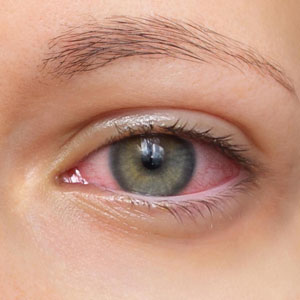
Uveitis symptoms should never be ignored, especially if they appear suddenly or keep getting worse. These may include ongoing eye redness, severe eye pain, sudden blurred vision, strong sensitivity to light and new floaters (dark spots or lines in vision). These signs can indicate serious inflammation that may harm your eyesight if not treated early. Immediate medical care is essential to avoid complications like permanent vision loss, glaucoma or cataracts.
Common uveitis symptoms include:
- Severe redness and pain: Redness along with deep, aching pain in or around the eye.
- Sudden blurred vision: Vision becoming unclear or cloudy.
- Light sensitivity (photophobia): Discomfort or pain in bright light.
- Increase in floaters: Seeing new dark spots, specks or moving shadows.
- Reduced vision: Sudden drop in clarity or side (peripheral) vision.
- Headaches: Strong headaches linked with eye discomfort.
If you notice any of these symptoms, please consult an eye specialist immediately.
When Should You See an Eye Specialist for Uveitis?
See an eye specialist (ophthalmologist) immediately if you notice sudden or worsening eye pain, strong sensitivity to light, blurred vision or new floaters. Uveitis needs early evaluation and treatment to prevent serious complications like glaucoma or damage to the retina that can lead to permanent vision loss.
You should seek medical care if you have:
- Redness, pain and vision changes.
- Light sensitivity: Bright light causing discomfort or pain.
- Vision changes: New floaters, flashes of light or blurred vision.
- Ongoing or recurring problems: Symptoms that keep coming back or do not improve with treatment.
- Associated health conditions: If you have autoimmune diseases like lupus, rheumatoid arthritis or a recent eye injury.
Timely medical care is very important in uveitis. Early treatment can help prevent permanent vision loss.
What Causes Uveitis?
Broadly, the causes can be divided into infectious and non-infectious. Infectious causes include bacteria, fungi, parasites and viruses. Tuberculosis is an important cause of uveitis in the Indian context. Non-infectious causes include autoimmune disorders like lupus, rheumatoid arthritis, sarcoidosis, ankylosing spondylitis, etc. and certain other diseases like multiple sclerosis, Vogt-Koyanagi-Harada disease, etc. Trauma (physical injury) to the eye, certain cancers, and genetic disorders may also predispose to uveitis. In some cases, the exact cause cannot be identified and this is called idiopathic uveitis.
Common causes include:
- Autoimmune conditions (non-infectious): An autoimmune disease occurs when the body’s immune system mistakenly attacks its own tissues, including parts of the eye, leading to inflammation. Some autoimmune conditions that may be associated with uveitis include:
- Rheumatoid arthritis
- Sarcoidosis
- Ankylosing spondylitis
- Crohn’s disease
- Ulcerative colitis
- Psoriasis
- Kawasaki disease
- Lupus
- Infections: Certain infections can involve the eye and trigger inflammation of the uveal tissue, leading to uveitis. These may be viral, bacterial, fungal or parasitic in origin. Common infectious causes include:
- Tuberculosis (TB)
- Toxoplasmosis
- Herpes infections
- Bacterial infections
- Aspergillosis
- Candidiasis
- AIDS
- CMV retinitis
- Syphilis
- Cat-scratch disease
- Eye injury or trauma: Any injury or surgical procedure involving the eye can trigger inflammation of the uveal tissue as part of the body’s healing response, which may lead to uveitis.
- Medication-related: Some medicines may rarely cause uveitis as a side effect.
- Idiopathic (unknown cause): In many people, no clear cause is found even after proper testing.
- Smoking: Smoking has been linked to a higher risk of developing uveitis.
- Genetic factors: Certain genetic markers, such as HLA-B27, are associated with an increased risk of developing uveitis. Individuals with inherited tendencies may be more susceptible, particularly in association with autoimmune conditions.
- Allergy: Allergic conditions are not a direct cause of uveitis; however, they may be associated with ocular inflammation or exacerbate underlying inflammatory eye conditions.
- Cancer (rare cases): Certain malignancies, particularly lymphoma, can involve the eye and present with intraocular inflammation, sometimes mimicking uveitis.
Identifying the cause helps doctors choose the most effective treatment and prevent recurrence.
What Are the Risk Factors for Uveitis?
Uveitis can affect anyone, but it is more commonly seen in people between 20 and 60 years of age.
Certain factors that may increase the chances of developing uveitis include:
- Autoimmune disorders
- Chronic infections
- Smoking, stress
- Family history of autoimmune conditions
- Previous eye injury or eye surgery
Managing these risk factors can help lower the chance of complications and support better eye health.
Did You Know?
- Uveitis can affect people of any age, including young adults.
- If left untreated, it can lead to permanent vision loss.
- Early treatment can prevent long-term complications.
- Regular eye check-ups help detect it early.
- Some cases are linked to systemic health conditions.
Is Uveitis Contagious?
Uveitis itself is not contagious. You cannot catch it from someone through touching, sharing items or close contact. It is an internal inflammation of the eye, not a spreadable condition.
However, in some cases, the underlying cause of uveitis may be an infection. If the inflammation is triggered by infections such as viruses, bacteria or parasites (like herpes, tuberculosis or toxoplasmosis), those infections can be contagious - but uveitis itself is not.
Points to know:
- Not spread from person to person: Uveitis does not pass through normal contact.
- Infectious causes may spread: Only the underlying infection (if present) can be transmitted.
- Often non-infectious: Many cases are linked to autoimmune diseases, injury or other non-contagious conditions.
- Different from pink eye: Unlike conjunctivitis (pink eye), which can spread easily, uveitis usually cannot.
Symptoms like eye redness, pain, light sensitivity or blurred vision should not be ignored. Early treatment by an eye specialist is important to prevent vision problems.
What Are the Different Types of Uveitis?
Uveitis can be grouped into different types depending on which part of the uvea is affected. It is divided into four main types based on which part of the eye is affected: anterior, intermediate, posterior and panuveitis. It involves inflammation of the uvea (iris, ciliary body and choroid) and can occur due to autoimmune conditions, infections or eye injury.
The main types of uveitis include:
Anterior Uveitis (Iritis)
This type affects the front part of the eye, including the iris and ciliary body. It is the most common form and usually causes redness, pain and sensitivity to light. It is often linked to autoimmune conditions and may come back if the root cause is not treated. Since it affects the front of the eye, symptoms are usually noticed early.
Intermediate Uveitis
This type involves the middle part of the eye (ciliary body and vitreous). It commonly causes floaters and blurred vision and usually has less pain.
Posterior Uveitis
This affects the back part of the eye (choroid). It can lead to blurred vision, floaters, and sometimes loss of side (peripheral) vision. It is more serious and can significantly affect vision.
Panuveitis
In this type, all parts of the uvea are inflamed. It is more severe and can cause significant vision loss if not treated on time.
Understanding these types helps doctors choose the right treatment and manage the condition more effectively.
How Is Uveitis Diagnosed?
Uveitis is diagnosed by an eye specialist (ophthalmologist) through a detailed eye examination and, if needed, additional investigations, including laboratory and ancillary tests, may be performed to identify underlying causes such as infections or autoimmune diseases. The diagnosis involves taking a thorough medical history and carefully examining the eye to document clinical findings.
Common diagnostic tests include:
The first step is a complete eye check-up, which includes -
- Visual acuity test (eye chart): Measures how clearly you can see and checks for any reduction in vision.
- Pupil response: Evaluates how your pupils react to light.
- Slit-lamp examination: A special microscope is used to look for signs of inflammation in the front part of the eye.
- Dilated fundus examination (ophthalmoscopy): Eye drops are used to widen the pupil, allowing the doctor to examine the back of the eye (retina and choroid) using an ophthalmoscope.
- Tonometry: Measures the pressure inside the eye (intraocular pressure).
To confirm the diagnosis and identify the cause, your doctor may recommend -
- Blood tests: To detect infections or autoimmune diseases.
- Imaging tests: Such as X-rays, CT scan or MRI to look for related conditions in the body.
- Optical coherence tomography (OCT): Helps assess swelling or damage in the retina and choroid.
- Fluorescein or indocyanine green angiography: A dye test to examine blood vessels in the eye.
- Eye fluid analysis: Testing aqueous or vitreous fluid in selected cases.
Uveitis can be difficult to diagnose because its symptoms may resemble other eye conditions. Also, it may be linked to systemic diseases, infections or may occur without a clear cause.
Early and accurate diagnosis is important to start the right treatment and prevent complications like vision loss.
What Are the Complications of Uveitis?
If not treated on time, uveitis can lead to serious eye problems, including permanent vision loss. These complications occur due to ongoing inflammation inside the eye.
Common complications include:
- Cataract: Clouding of the natural lens, causing blurred vision.
- Glaucoma: Increased pressure inside the eye that can damage the optic nerve.
- Cystoid macular edema: Swelling in the central retina (macula), leading to blurred or distorted vision.
- Retinal damage or detachment: Separation or injury to the retina, which can cause sudden vision loss and requires urgent care.
- Epiretinal membrane: Formation of a thin layer over the retina, affecting clear vision.
- Optic nerve damage: Can lead to gradual and permanent vision loss.
- Posterior synechiae: Abnormal sticking of the iris to the lens, which can affect pupil function.
- Raised intraocular pressure: Increased eye pressure (IOP) due to inflammation or steroid treatment.
Why early treatment matters?
Uveitis can be acute or long-term (chronic). In chronic cases, the risk of complications is higher. Early diagnosis and proper treatment are important to control inflammation and prevent permanent damage to vision.
What Are the Available Uveitis Treatment Options?
Treatment for uveitis focuses on reducing inflammation, relieving pain, treating the underlying cause and preventing vision loss. The exact treatment depends on the type and severity of uveitis.
Medical Treatment Options:
- Corticosteroids (anti-inflammatory medicines): These are the most commonly used treatments to reduce eye inflammation.
- Eye drops: Usually used for anterior uveitis
- Oral tablets or injections: Used if inflammation is severe or affects deeper parts of the eye
- Immunosuppressive medicines: These are used in chronic, severe or recurrent uveitis, especially when steroids are not effective or cause side effects. These medicines help control the immune response.
- Biologic therapies: Advanced medicines (like adalimumab) that target specific parts of the immune system in difficult or resistant cases.
- Anti-infective medicines: If uveitis is caused by an infection, your doctor may prescribe antibiotics, antivirals, or antiparasitic drugs, with or without steroids.
- Cycloplegic (dilating) eye drops: These drops help reduce pain, relax eye muscles and prevent complications like synechiae.
Surgical Options (if needed):
- Vitrectomy: It is a surgical procedure done to remove part of the vitreous gel, rarely performed and is used only in selected cases to help in diagnosis or managing severe inflammation and its complications.
- Medicine-releasing implant: In this procedure a small device is placed inside the eye that slowly releases medication over time, mainly used in chronic cases.
Treatment Options Based on the Type of Uveitis:
- Anterior uveitis (iritis): Usually treated with dark glasses for light sensitivity, eye drops to dilate the pupil and reduce pain and steroid eye drops to control inflammation.
- Intermediate uveitis: Often managed with steroid eye drops and sometimes oral steroids to reduce inflammation.
- Posterior uveitis: May require oral steroids, injections around the eye and treatment of the underlying cause, such as infections (with antibiotics) or autoimmune diseases, often with the help of other specialists.
Early and proper treatment is important to prevent complications and preserve vision.
Key points to know:
- Regular follow-up is essential to monitor inflammation and eye pressure.
- Treatment is often adjusted based on response and side effects.
- In some cases, care may involve other specialists (like rheumatologists).
What Questions Should You Ask Your Eye Specialist?
- You can ask your doctor these simple questions:
- What type of uveitis do I have?
- What is the possible cause of my condition?
- What treatment options are available, and which one is best for me?
- Are there any risks or side effects of the treatment?
- Can uveitis come back after treatment?
- How can I protect my vision and prevent future problems?
- What warning signs or complications should I watch for?
Can I Prevent Uveitis?
Uveitis cannot always be prevented because its causes are often unknown or unpredictable. However, you can lower your risk and prevent complications by taking a few simple steps.
Key ways to prevent uveitis:
- Manage underlying conditions: Properly treat autoimmune diseases and infections, as they are common causes of uveitis.
- Avoid smoking: Smoking increases the risk and can make treatment less effective.
- Protect your eyes: Use protective eyewear during sports or activities to prevent eye injuries.
- Get regular eye check-ups: Routine eye exams help detect problems early.
- Maintain good overall health: A balanced diet, proper sleep and stress control support your immune system.
- Practice good hygiene: Avoid rubbing your eyes and keep your hands clean to reduce the risk of infections.
Note: If you notice symptoms like eye redness, pain, light sensitivity or blurred vision, seek medical care early. Timely treatment can help prevent serious complications and vision loss.
Things to consider:
- Uveitis is a serious but treatable eye condition.
- Early diagnosis is very important.
- Treatment depends on the underlying cause.
- Regular follow-ups are necessary.
- Ignoring symptoms can lead to permanent damage.
Book Your Uveitis Consultation at Ojas Maxivision Eye Hospital
If you are experiencing redness, pain or blurred vision, do not delay your care. At Ojas Maxivision Eye Hospital, we provide advanced diagnosis and personalized care for every patient.
For those searching for an eye hospital in Mumbai or reliable uveitis treatment in Mumbai, our experienced specialists ensure precise diagnosis and effective management for long-term eye health.

Frequently Asked Questions About Uveitis
Yes, uveitis can be serious if not treated on time. Ongoing inflammation can damage important eye structures and may lead to complications like glaucoma, cataracts or even permanent vision loss in severe cases.
Early symptoms include eye redness, pain, blurred vision, sensitivity to light and floaters. Some people may also notice decreased vision. These symptoms can appear suddenly or gradually, depending on the type of uveitis.
Uveitis usually does not go away without treatment. Medical care is needed to control inflammation and prevent complications. Delaying treatment can increase the risk of long-term damage to the eye and vision.
Uveitis can be caused by autoimmune diseases, infections, eye injuries or may occur without a clear cause (idiopathic). Identifying the cause helps guide the right treatment and reduce the chances of recurrence.
Stress alone does not directly cause uveitis. However, it may worsen underlying autoimmune or inflammatory conditions, which can increase the risk of flare-ups in some individuals.
The duration varies depending on the type and cause. Acute uveitis may last a few weeks, while chronic uveitis can persist for months or may recur over time, requiring long-term monitoring and treatment.
Yes, uveitis can affect one or both eyes. Some types, especially those linked to autoimmune diseases, are more likely to involve both eyes and may require systemic treatment.
Diagnosis includes a detailed eye exam, slit-lamp examination and dilated fundus exam. Additional tests like blood tests, imaging (OCT, MRI) or eye fluid analysis may be done to find the underlying cause.
Yes, if not treated properly, uveitis can lead to serious complications such as retinal damage, glaucoma or optic nerve damage, which can result in permanent vision loss or blindness.
Treatment depends on the cause and severity. It commonly includes steroid eye drops, oral medicines or injections to reduce inflammation. In some cases, immunosuppressive drugs or surgery may be needed.
Yes, steroid eye drops are effective and commonly used, but they should only be used under medical supervision. Long-term or improper use can lead to side effects like increased eye pressure or cataracts.
Yes, although less common, children can develop uveitis. It may be linked to autoimmune conditions and requires careful monitoring, as symptoms can be mild but complications may still occur.
Yes, many cases of uveitis are associated with autoimmune conditions such as rheumatoid arthritis, ankylosing spondylitis or lupus, where the immune system mistakenly attacks the body’s own tissues.
Yes, uveitis can recur, especially in chronic or autoimmune-related cases. Regular follow-up and proper management of underlying conditions help reduce the risk of flare-ups.
Following your treatment plan, attending regular eye check-ups, managing underlying diseases, avoiding smoking and maintaining good overall health can help reduce the risk of recurrence.
Yes, uveitis can increase eye pressure, leading to glaucoma. This may occur due to inflammation or as a side effect of steroid treatment, so regular monitoring is important.
Yes, long-term inflammation or prolonged use of steroid medications can lead to cataract formation, causing cloudy vision that may require surgical treatment.
Chronic uveitis is long-lasting inflammation that persists for more than 6 weeks or keeps coming back. It may require long-term treatment and monitoring, as it can significantly affect vision if not controlled properly.
Surgery is not usually the first line of treatment. It is considered in complicated cases, such as when there are problems like cataracts, glaucoma or severe vitreous inflammation requiring vitrectomy.
Maintaining a healthy lifestyle, avoiding smoking, managing stress, eating a balanced diet and following regular medical care can support overall eye health and reduce complications.
Uveitis cannot always be prevented, but managing underlying diseases, protecting your eyes from injury, and seeking early treatment for infections can help lower the risk.
The cost of uveitis treatment varies depending on the severity, required tests, medications and procedures. A consultation with an eye specialist is needed to determine the exact treatment plan and cost. Please contact us by phone or email to book a consultation.
Yes, cashless treatment is available with selected insurance providers. It is best to check directly with the hospital for the latest details and coverage options. Ojas Maxivision Eye Hospital offers cashless eye treatment in Mumbai and is empaneled with CGHS, RBI, NABARD and BSNL.
Ojas Maxivision Eye Hospital is conveniently located in Bandra (West), Kandivali (East) and Juhu, making it easily accessible for patients across Mumbai, Maharashtra. These multiple centers ensure better reach, timely consultations and continuity of care for all your eye treatment needs.
Key Facts About Uveitis
- Uveitis is inflammation inside the eye that can affect vision if left untreated.
- Common symptoms include redness, pain, blurred vision and light sensitivity.
- It may be linked to infections, autoimmune diseases or unknown causes.
- Anterior uveitis is the most common type.
- Early diagnosis and treatment are important to prevent vision loss.