


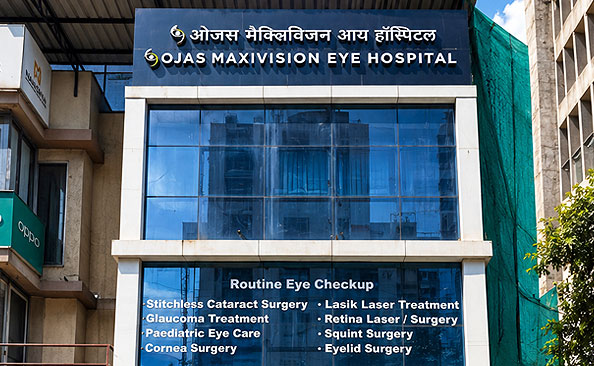
 Bandra
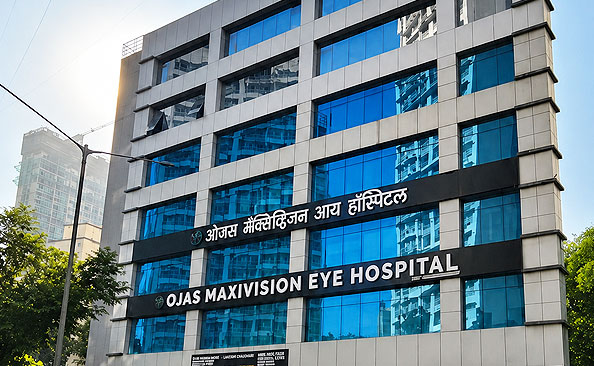 Kandivali
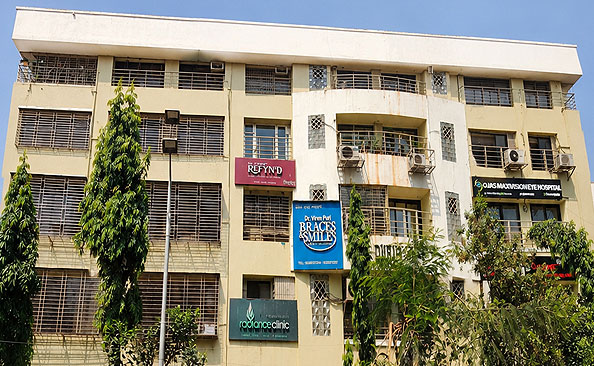 Juhu
Juhu
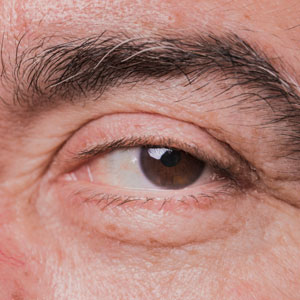
What Is Ptosis (Droopy Eyelid)?
Ptosis, commonly known as a droopy eyelid, is a condition where the upper eyelid falls lower than normal. It may droop slightly or in more severe cases, cover the pupil and block vision. The drooping usually happens because the levator muscle, which lifts the eyelid, becomes weak, stretched or damaged, and the eyelid cannot stay in its normal position.
Ptosis can affect one eye or both eyes, and sometimes one eye may appear more droopy than the other. The condition can be present from birth (called congenital ptosis) or develop later in life (called acquired ptosis), often due to aging, injury or nerve-related problems.
In the early stages, ptosis may only affect appearance. However, as it progresses, it can interfere with daily activities like reading, driving or watching TV. Some people may raise their eyebrows or tilt their head backward to see clearly.
Although rare, mild cases may improve on their own, most cases require proper medical evaluation and treatment. With timely care, ptosis can be effectively managed to improve both vision and eye appearance.
Did you know?
- Ptosis is also medically called blepharoptosis.
- It can affect both children and adults.
- Severe ptosis can block vision and lead to eye strain.
- Early treatment helps prevent long-term vision problems.
What Are the Ptosis Symptoms You Should Not Ignore?
While many cases of ptosis (droopy eyelid) are related to aging and are not serious, some symptoms may point to serious problems like nerve damage, a tumor, or even a stroke. These warning signs should not be ignored and need immediate medical attention.
Common ptosis symptoms include:
- Sudden drooping of eyelid: If your eyelid suddenly starts drooping or worsens within a few days, it could be due to a nerve or blood vessel problem and needs urgent evaluation.
- Quick worsening: If the drooping increases rapidly over a short time, you should see an eye specialist without delay.
- Eye pain or headache: Pain around the eye, forehead or neck along with ptosis may be a sign of nerve-related conditions.
- Heaviness or fatigue: A constant heavy feeling in the eyelid or forehead pain (from lifting eyebrows) may indicate muscle weakness.
- Double vision: Seeing double images may indicate nerve or muscle problems such as myasthenia gravis.
- Increased watering: Some people with a drooping eyelid may notice excessive tearing (epiphora). This happens because the eye becomes dry or irritated, leading it to produce more tears as a natural protective response.
- Blocked vision: If the eyelid covers the pupil, it can affect daily activities like reading or driving.
- Difficulty closing the eye: Trouble blinking or closing the eye can lead to dryness, infection or corneal damage.
- Limited eye movement: Difficulty moving the eye in certain directions may suggest nerve or muscle issues.
- Facial weakness or numbness: Drooping eyelids along with weakness in the face, arms or speech difficulty may be a sign of a stroke and needs emergency care.
- Unequal pupil size: If one pupil is smaller than the other along with ptosis, it could indicate a condition like Horner’s syndrome.
- Facial changes over time: Over time, a drooping eyelid can change the way your face looks. Many people appear tired, sleepy or less alert. These changes often become more noticeable when comparing recent photos with older ones, as the eyelid droop gradually affects overall facial expression.
Common ptosis symptoms in children include:
- Any eyelid drooping: Ptosis in children should be checked early to prevent lazy eye (amblyopia) and vision loss.
- Head tilting: If a child tilts their head back or lifts the chin to see clearly, it may indicate vision blockage due to ptosis.
If you notice any of these symptoms, it is important to consult an eye specialist, as early diagnosis can prevent serious complications.
When Should You See an Eye Specialist for Ptosis (Droopy Eyelid)?
You should consult an eye specialist if you notice a drooping eyelid that affects your vision, causes discomfort or appears suddenly. Immediate medical attention is important if ptosis is associated with pain, double vision or occurs in a child, as early treatment can prevent long-term vision problems.
When to seek immediate care:
- Sudden drooping: If your eyelid starts drooping suddenly or closes quickly, it may indicate a serious nerve-related problem.
- Pain or vision changes: If ptosis occurs with eye pain, headaches, double vision or blurred vision, urgent evaluation is needed.
- In children: Any drooping eyelid in a child should be checked early to prevent lazy eye (amblyopia) and permanent vision loss.
- Vision blockage: If the eyelid covers part of your vision.
- Difficulty in daily tasks: If you are having trouble reading, driving or keeping your eyes open.
- Habit changes: If you are frequently tilting your head back or raising your eyebrows to see clearly.
- Appearance concerns: If there is a noticeable difference between both eyelids affecting your facial appearance.
These may indicate serious underlying conditions. Early consultation helps keep your vision safe and ensures you receive the right treatment at the right time.
What Causes Ptosis (Droopy Eyelid)?
Ptosis (droopy eyelid) happens when the muscle that lifts the eyelid (levator muscle) becomes weak, damaged or affected by nerve problems. This leads to the eyelid falling lower than normal, sometimes affecting vision.
Common causes include:
- Aging: The most common cause. With age, the eyelid muscle becomes weak or stretched.
- Congenital (from birth): Some people are born with weak or underdeveloped eyelid muscles.
- Nerve problems: Conditions like nerve damage, Horner syndrome or third nerve palsy can affect eyelid movement.
- Muscle disorders: Diseases such as myasthenia gravis can cause muscle weakness and eyelid drooping.
- Eye surgery or injury: Procedures like cataract surgery or trauma to the eye can lead to ptosis.
- Mechanical causes: Growths like tumors or large styes can pull the eyelid downward.
- Botox injections: Temporary drooping can happen after cosmetic treatments around the eyes.
- Medical conditions: Long-term conditions like diabetes can damage nerves and muscles of the eye.
If ptosis appears suddenly, it may be a sign of a serious condition such as a stroke or nerve problem. In such cases, immediate medical attention is very important.
Did you know?
- Ptosis can affect both appearance and vision.
- It may be present at birth or develop later in life.
- Severe ptosis in children can lead to lazy eye.
- Surgery is the most effective treatment in moderate to severe cases.
- Early treatment helps prevent long-term vision problems.
What Are the Different Types of Ptosis (Droopy Eyelid)?
Ptosis (droopy eyelid) is mainly divided into two types: congenital and acquired. Congenital ptosis is present from birth, while acquired ptosis develops later in life due to different causes. Treatment depends on the type and severity, and many cases may require surgical correction.
Main types of ptosis:
Acquired Ptosis
It is the most common type of droopy eyelid and usually develops later in life, especially in adults. It happens when the levator muscle, which lifts the eyelid, becomes weak, stretched, or separated from the eyelid due to aging, regular wear and tear or certain medical conditions. This type of ptosis can also be caused by nerve-related problems, muscle disorders, eye injuries or previous eye surgeries.
Congenital Ptosis
This type is present at birth and happens when the eyelid muscle does not develop properly. If not treated early, it can lead to lazy eye (amblyopia) and vision problems in children.
Each type requires a specific treatment approach.
How Is Ptosis Diagnosed?
Ptosis (droopy eyelid) is usually diagnosed through a detailed eye examination by an ophthalmologist. The doctor first looks at the eyelid position, checks how much it droops and evaluates how it is affecting your vision. They also take a complete medical history to understand the possible cause, such as aging, nerve problems, injury or birth-related conditions.
Common diagnostic tests include:
- Vision and Eyelid Assessment: A standard eye test is done to check your vision and see how much the drooping eyelid is blocking the pupil or visual field.
- Levator Muscle Function Test: This test checks the strength of the muscle that lifts your eyelid by asking you to look up and down without moving your forehead.
- Eyelid Measurements (Marginal Reflex Distance (MRD) Test): The doctor measures the distance between the eyelid and the eye to find out the severity of ptosis.
- Slit-Lamp Examination: A special microscope is used to closely examine the eye, eyelid and surrounding structures to detect any underlying problems.
- Eye Movement Test (Ocular Motility): This helps assess how well your eyes move and whether any nerve or muscle issue is present.
- Neurological Tests: If a nerve-related condition is suspected, additional tests like blood tests, nerve studies or imaging scans (MRI/CT) may be recommended.
- Special Tests for Muscle Disorders: Tests like the Tensilon (edrophonium) test or EMG may be done if conditions like myasthenia gravis are suspected.
These tests help identify the cause and severity of ptosis.
What Are the Complications of Ptosis (Droopy Eyelid)?
If your child has congenital ptosis, it is important to treat it early to support proper vision development. If left untreated, it can lead to vision problems and other complications. Mild ptosis in adults may not always need treatment, but moderate to severe ptosis can cause serious issues if ignored. Possible complications include:
- Vision Problems: When the eyelid covers part of the pupil, it can block or reduce vision. This can make everyday activities like reading, driving or using screens difficult.
- Astigmatism: Constant pressure from a drooping eyelid can change the shape of the front surface of the eye (cornea), leading to blurred or distorted vision.
- Amblyopia (Lazy Eye): In children, untreated ptosis can prevent normal vision development. The brain may start relying on the stronger eye, leading to lazy eye and long-term vision loss if not treated early.
- Abnormal Head Posture: Many people, especially children, tilt their head backward (chin-up position) to see clearly. Over time, this can cause neck strain, poor posture and muscle tightness.
- Eye Strain and Headaches: Constant effort to lift the eyelids using forehead muscles can lead to eye fatigue, discomfort and frequent headaches.
- Reduced Focus and Daily Function: Severe ptosis can affect concentration, depth perception, and coordination, making tasks like reading, driving or playing sports more difficult.
- Emotional and Confidence Issues: Droopy eyelids can affect facial appearance, making a person look tired or less alert. This may lead to low confidence or self-consciousness, especially in young individuals.
Early diagnosis and treatment of ptosis can help prevent these complications and improve both vision and overall quality of life.
What Are the Available Ptosis Treatment Options?
Treatment for ptosis (droopy eyelid) depends on how severe the condition is, what is causing it and whether it is affecting your vision or appearance. In very mild cases, where vision is not affected, treatment may not be required and your doctor may simply monitor the condition.
However, if ptosis starts interfering with vision or daily activities, proper treatment becomes important.
Non-Surgical Ptosis Treatment
For mild cases, simple and non-invasive options may help manage the condition:
Ptosis crutches (support glasses)
Special eyeglasses can support the eyelid and help keep it lifted, improving vision.
Medications
If ptosis is caused by conditions like myasthenia gravis, medicines may help improve muscle strength and eyelid control.
Eye exercises (in selected cases)
In some patients, basic exercises may help improve muscle function, though results are limited.
Ptosis Surgery (Corrective Treatment)
Surgery is the most effective treatment for moderate to severe ptosis, especially when vision is affected. It is usually a safe, day-care procedure done under local anesthesia with mild sedation.
Common surgical options include:
Levator repair (Levator resection)
The surgeon tightens the eyelid muscle to lift the eyelid to a normal position.
Conjunctiva-Müller resection (CMR)
A minimally invasive procedure used in selected mild to moderate cases to improve eyelid height.
Frontalis sling surgery
Used in severe cases where the eyelid muscle is very weak. The eyelid is connected to the forehead muscle to help lift it.
In some cases, the surgery may be done from the inside of the eyelid, avoiding any visible skin cuts.
Early treatment of ptosis helps prevent vision problems, improves eye function and restores a more natural and balanced appearance. Surgery is usually recommended when vision or appearance is affected.
Key points to know:
- Ptosis surgery is safe and effective.
- Recovery is usually quick.
- Results improve both vision and appearance.
- Early treatment is important, especially in children.
When Should I Get Ptosis Surgery?
Ptosis surgery is usually recommended when the drooping eyelid starts affecting your vision, daily comfort or appearance. The right time for surgery depends on how severe the condition is and how much it impacts your life.
Surgery may be advised when:
- Vision is blocked: The eyelid covers the pupil and makes it difficult to see clearly.
- Daily activities are affected: Tasks like reading, driving or using screens become uncomfortable or difficult.
- Noticeable appearance concerns: The drooping eyelid causes facial asymmetry or makes you look constantly tired.
- Child’s vision is at risk: In children, early surgery is important to prevent lazy eye (amblyopia) and support normal vision development.
In many cases, ptosis may slowly worsen over time, so early evaluation is important. Your eye specialist will assess your condition and guide you on the most suitable time and type of treatment for the best results.
Will You Need Glasses After Ptosis Treatment?
Ptosis treatment mainly corrects eyelid position, not vision power. You may still need glasses if you have refractive errors.
What Questions Should You Ask Your Eye Specialist?
You can ask your doctor these simple questions:
- Do I have ptosis?
- What is causing my condition?
- How severe is it?
- Do I need surgery?
- What are the risks and benefits of ptosis surgery?
- How long is recovery?
Can I Prevent Ptosis (Droopy Eyelid)?
You cannot prevent ptosis that is present from birth or most cases related to aging. However, you can lower the risk of developing acquired ptosis by taking good care of your eyes and overall health.
Key ways to prevent ptosis:
- Avoid rubbing your eyes: Frequent rubbing can weaken the eyelid muscle over time.
- Protect your eyes: Wear protective glasses during sports or activities where eye injury is possible.
- Manage allergies and eye conditions: Treat problems like dry eyes, allergies or infections early to prevent long-term irritation.
- Be careful with cosmetic treatments: Always choose an experienced professional for Botox or similar procedures to avoid temporary eyelid drooping.
- Use contact lenses wisely: Avoid long-term or improper use of rigid lenses, as they can strain the eyelid muscles.
- Maintain overall health: Managing conditions like diabetes and following a healthy lifestyle can support nerve and muscle function.
- Get regular eye check-ups: Routine eye exams help detect early changes and allow timely treatment.
Taking these simple steps can help protect your eyes and reduce the chances of developing ptosis later in life.
Book Your Ptosis Consultation at Ojas Maxivision Eye Hospital
If you are experiencing drooping eyelids or vision problems, timely care can make a big difference. At Ojas Maxivision Eye Hospital, our experienced eye specialists provide personalized evaluation and advanced treatment options tailored to your needs.
If you are searching for an eye hospital in Mumbai or looking for reliable ptosis treatment in Mumbai, we are here to help you restore both vision and confidence.
Frequently Asked Questions About Ptosis
The most common causes include aging, muscle weakness, nerve damage, injury or congenital defects. In some cases, it may also be linked to medical conditions affecting the muscles or nerves that control eyelid movement.
Yes, ptosis can affect one eye (unilateral) or both eyes (bilateral). In some people, both eyelids droop equally, while in others one side may be worse. It is often seen in one eye due to muscle weakness, nerve damage, injury or after eye surgery. In some cases, it may develop gradually with age or due to underlying neurological conditions.
Yes, some types of ptosis can run in families. Congenital ptosis, which is present at birth, may be inherited due to weak or poorly developed eyelid muscles. A family history of similar conditions can help doctors in early diagnosis and planning the right treatment.
A double eyelid means there is a visible crease in the upper eyelid when your eyes are open. If you can see a natural fold above your eyelashes, you likely have double eyelids. This is a normal anatomical feature and varies from person to person.
No, ptosis and lazy eye (amblyopia) are different conditions. Ptosis is when the upper eyelid droops due to muscle or nerve weakness. Lazy eye is reduced vision in one eye due to poor development. However, severe untreated ptosis in children can block vision and may lead to lazy eye over time.
Yes, ptosis can affect vision if the eyelid covers part or all of the pupil. This can cause blurred vision, difficulty seeing clearly and eye strain. In children, it may lead to permanent vision problems if not treated early.
Yes, children can be born with ptosis, known as congenital ptosis. It usually happens due to poor development of the eyelid muscle. Early treatment is important because severe ptosis can block vision and may lead to lazy eye if not treated on time.
Ptosis is common with aging because the eyelid muscles gradually become weak and stretched over time. The skin around the eyes also loses elasticity, making the eyelid droop. These natural changes make older adults more prone to developing ptosis.
Ptosis is not always serious, especially in mild cases where it only affects appearance. However, severe ptosis can block vision, cause eye strain and affect daily activities. In some cases, it may also be linked to nerve or muscle disorders, so proper evaluation is important.
You should seek medical advice if ptosis affects your vision, worsens over time or appears suddenly. Symptoms like double vision, headache or eye pain, along with drooping eyelid, may indicate a serious condition and require immediate attention.
In some cases, nutritional deficiencies like vitamin B12 deficiency can affect nerve function and contribute to eyelid drooping. However, most cases of ptosis are caused by muscle weakness, aging or nerve-related problems rather than nutritional deficiencies alone.
In most cases, ptosis does not go away on its own, especially if it is caused by muscle or nerve problems. Some temporary cases may improve, but long-term or severe ptosis usually requires proper medical treatment or surgery.
There is no proven natural cure for ptosis. While healthy habits like proper nutrition, eye care and managing medical conditions can support eye health, they cannot correct muscle weakness. Persistent or severe ptosis usually needs medical treatment or surgery to improve eyelid position.
Temporary methods like eyelid tapes, adhesive strips or makeup techniques can help lift the eyelid for a short time. Some people also consider Botox for temporary improvement. However, these are not permanent solutions and surgery is the most effective long-term treatment.
Treatment depends on the severity and cause. Mild cases may be managed with observation, glasses support or medications. Moderate to severe ptosis is best treated with surgery, which helps lift the eyelid and improve both vision and appearance effectively.
Mild ptosis may sometimes be managed without surgery using observation or special support glasses. However, most cases do not improve on their own. Surgery is usually the most effective treatment, especially when vision is affected or the condition worsens.
Yes, ptosis surgery is generally safe and commonly performed. It is usually done as a day-care procedure with minimal discomfort. When performed by an experienced eye specialist, the results are effective and complications are rare.
Ptosis surgery usually takes about 30 to 60 minutes, depending on the severity and type of procedure. Most patients can go home the same day after a short observation period and resume normal activities soon after.
No, the procedure is done under anesthesia, so you will not feel pain during surgery. After the procedure, mild discomfort, swelling or tightness may occur, which usually improves within a few days with proper care.
In most cases, ptosis surgery gives long-lasting results. However, in rare situations, especially with underlying muscle or nerve conditions, the drooping may return over time and may need further treatment.
Initial recovery usually takes about 1 to 2 weeks, during which swelling and bruising reduce. Complete healing may take a few weeks. Most people can return to normal daily activities within a few days after surgery.
Doctors perform a detailed eye examination, measure eyelid position and check muscle strength and eye movements. In some cases, additional tests may be needed to rule out nerve or muscle-related conditions causing ptosis.
Yes, ptosis can lead to headaches because of constant effort to lift the eyelid using forehead muscles. This strain can cause discomfort, especially during activities like reading or using screens for long periods.
Congenital ptosis is present from birth and occurs due to poor development of the eyelid muscle. Depending on severity, it may require early treatment to prevent vision problems and support normal eye development in children.
Glasses cannot cure ptosis, but special glasses with eyelid support (ptosis crutch) may help in mild cases. They provide temporary relief but are not a permanent solution. Surgery is often needed for lasting correction.
Yes, aging is one of the most common causes of ptosis. Over time, the eyelid muscles weaken and stretch, causing the eyelid to droop. This type is commonly seen in older adults.
If untreated, ptosis can lead to vision blockage, eye strain, headaches and abnormal head posture. In children, it may cause lazy eye and permanent vision loss. Early treatment helps prevent these complications.
Yes, ptosis can make the eyes look uneven, tired or droopy. This can affect facial symmetry and confidence. Treatment can improve both vision and appearance, giving a more balanced and natural look.
The cost depends on the severity of the condition, type of treatment and individual needs. For an accurate estimate based on your condition, it is best to consult the hospital directly and discuss suitable treatment options. Please call or email us to schedule a consultation.
Yes, Ojas Maxivision Eye Hospital provides cashless treatment through selected insurance providers. It is empaneled with organizations like CGHS, RBI, NABARD and BSNL. Patients should check their eligibility and coverage before treatment.
Ojas Maxivision Eye Hospital is located in Mumbai, Maharashtra, with centers in Bandra (West), Kandivali (East) and Juhu, making it easily accessible for patients across the city.
Key Facts About Ptosis (Droopy Eyelid)
- Ptosis is drooping of the upper eyelid.
- It can affect vision if severe.
- It may be present at birth or develop later.
- Surgery is the most effective treatment.
- Early diagnosis helps prevent complications.