


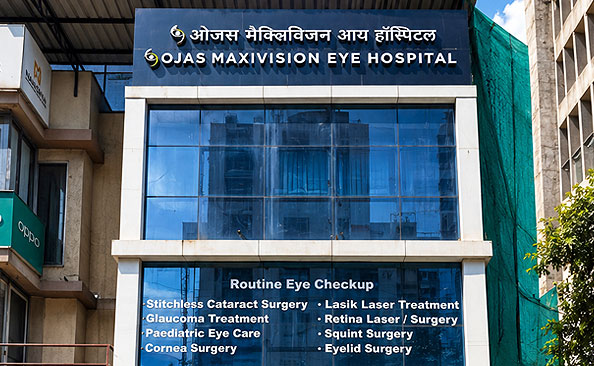
 Bandra
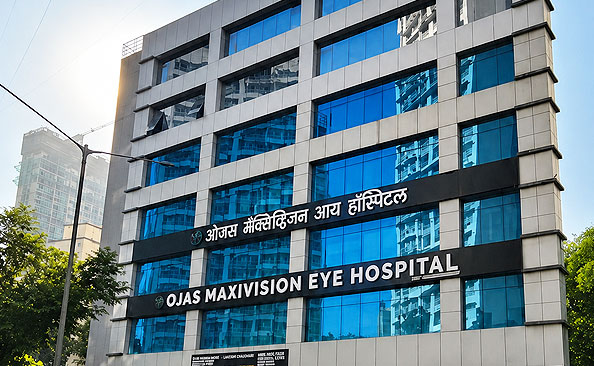 Kandivali
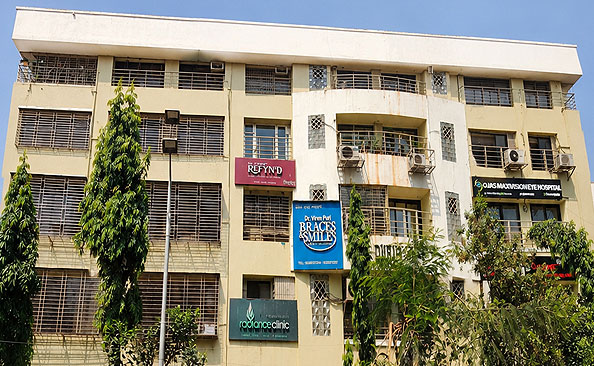 Juhu
Juhu

What Is Phakic Lens (ICL) Surgery?
Phakic Lens Surgery, also known as Implantable Collamer Lens (ICL) Surgery, is an advanced vision correction procedure used to improve eyesight without removing the natural lens of the eye. In this treatment, a soft artificial lens is placed inside the eye to help light focus properly on the retina.
Unlike LASIK or other laser procedures that reshape the cornea, ICL surgery works by implanting a special lens between the iris and the natural lens. It is often recommended for people with high glasses power, thin corneas or those who may not be suitable candidates for laser eye surgery.
Phakic Lens (ICL) Surgery may help correct:
- Myopia (nearsightedness)
- Hyperopia (farsightedness)
- Astigmatism
ICL lenses are made from biocompatible material designed to remain comfortable inside the eye for long-term vision correction. Unlike contact lenses that are worn daily, the ICL lens is placed permanently inside the eye and does not require daily removal or cleaning. Since the corneal surface is not reshaped, the procedure also helps preserve corneal structure and may reduce the chances of dryness commonly seen after some laser vision correction surgeries.
Phakic Lens (ICL) Surgery is a minimally invasive day-care procedure that usually provides sharp, stable and high-quality vision with quick recovery.
Why Is Phakic Lens (ICL) Surgery Performed?
Phakic Lens (ICL) Surgery is performed to improve vision and reduce long-term dependence on glasses or contact lenses. It is often recommended for people with high spectacle numbers or those who may not be suitable candidates for LASIK or other laser vision correction procedures.
People may consider Phakic Lens (ICL) Surgery if they:
- Have high glasses power
- Are not suitable candidates for LASIK
- Have thin corneas
- Experience discomfort with contact lenses
- Want long-term vision correction
- Wish to improve visual quality and comfort
The treatment is planned according to the patient’s eye power, corneal health and overall eye structure.
-surgery-performed.jpg "Why Is Phakic Lens (ICL) Surgery Performed")
Why Is Phakic Lens (ICL) Surgery Considered an Advanced Vision Correction Procedure?
Phakic Lens (ICL) Surgery is considered an advanced refractive procedure because it corrects vision without permanently reshaping the cornea. The implanted lens works together with the natural lens to improve how light focuses inside the eye.
Purpose and advantages of Phakic Lens (ICL) Surgery:
- Suitable for high refractive errors: Helps correct high myopia and astigmatism that may not be suitable for laser procedures.
- Preserves corneal structure:Since the cornea is not reshaped, ICL may be suitable for people with thin corneas.
- Removable procedure: The implanted lens can be removed or replaced if medically required.
- High-quality vision correction: Many patients experience sharp and clear visual quality.
- Minimal dry eye risk: Since the cornea is not reshaped like LASIK, dry eye symptoms may be less common.
- Advanced biocompatible lens material: Modern ICL lenses are designed to remain safely inside the eye for long-term use.
ICL surgery is often preferred by people with active lifestyles who want stable and long-lasting vision correction.
Who Can Benefit from Phakic Lens (ICL) Surgery?
Phakic Lens (ICL) Surgery may be suitable for people looking for long-term vision correction without changing the shape of the cornea. It is often recommended for individuals who may not be suitable candidates for LASIK or other laser eye procedures.
People who may be suitable candidates for ICL surgery include:
- Age requirement: Candidates are usually advised to be between 21 and 45 years old with stable vision before planning surgery.
- High refractive errors: Phakic Lens (ICL) Surgery may help correct high myopia, hyperopia and astigmatism that may not be suitable for LASIK.
- Thin or irregular corneas: People with thin corneas who may not qualify for laser vision correction can consider ICL surgery as an alternative option.
- Dry eye concerns: Since the cornea is not reshaped during the procedure, ICL surgery may be suitable for people with dry eyes or contact lens discomfort.
- Reversible treatment option: The implanted lens can be removed or replaced if needed, making the procedure reversible.
- Healthy eyes: Candidates should have healthy eyes without serious conditions such as glaucoma, cataracts or active eye infections.
A detailed eye examination helps determine whether Phakic Lens (ICL) Surgery is the right treatment option based on eye health, corneal measurements and visual needs.
Who May Not Be Suitable for Phakic Lens (ICL) Surgery?
Phakic Lens (ICL) Surgery may not be suitable for everyone. Certain eye conditions, health problems or unstable vision can affect the safety and results of the procedure. A detailed eye examination is important before planning treatment.
People who may not be suitable for Phakic Lens (ICL) Surgery include:
- Age limitations: The procedure is usually recommended for adults above 21 years, as younger eyes may still be changing.
- Unstable eye power: People whose glasses or contact lens number has changed within the last year may need to wait until vision becomes stable.
- Cataracts or eye inflammation: Patients with cataracts, uveitis or active eye infections may not be ideal candidates for the procedure.
- Glaucoma or high eye pressure: ICL surgery may not be suitable for people with glaucoma or increased eye pressure.
- Retinal problems: People with serious retinal conditions or a history of retinal detachment may require alternative treatment options.
- Corneal diseases: Conditions such as keratoconus or unhealthy corneas can affect eligibility for surgery.
- Thin anterior chamber depth: If there is not enough space inside the eye to safely place the lens, ICL surgery may not be recommended.
- Pregnancy or breastfeeding: Hormonal changes during pregnancy and breastfeeding can temporarily affect vision and eye measurements.
- Autoimmune or healing disorders: Certain medical conditions and medications may slow healing and increase surgical risks.
A comprehensive eye evaluation helps determine whether Phakic Lens (ICL) Surgery is a safe and suitable option for an individual.
What Symptoms May Indicate the Need for Phakic Lens (ICL) Surgery?
Phakic Lens (ICL) surgery is usually recommended for adults between 21 and 45 years of age who have stable vision and high refractive errors that may not be suitable for LASIK or other laser procedures.
Certain vision problems and daily difficulties may indicate the need for ICL surgery, including:
- High glasses power: Severe nearsightedness, farsightedness or astigmatism that affects clear vision without glasses or contact lenses.
- Poor night vision: Difficulty seeing clearly at night, glare around lights or halos while driving or during low-light conditions.
- Contact lens discomfort: Irritation, dryness or difficulty wearing contact lenses for long hours.
- Frequent eye strain or headaches: Eye fatigue and headaches caused by constant focusing effort.
- Active lifestyle limitations: Problems during sports, outdoor activities or daily routines because of dependence on glasses or contact lenses.
An eye specialist can determine whether these symptoms are related to refractive errors suitable for ICL surgery.
-surgery.jpg "What Symptoms May Indicate the Need for Phakic Lens (ICL) Surgery")
How Is Phakic Lens (ICL) Surgery Performed?
Phakic Lens (ICL) Surgery is a minimally invasive vision correction procedure performed to reduce dependence on glasses or contact lenses. The treatment usually takes around 15 to 30 minutes and is done as a day-care procedure.
Step-by-step Phakic Lens (ICL) Surgery procedure:
- Pre-surgery eye evaluation: Detailed eye examinations and measurements are performed to check eye health and select the correct lens size and power for accurate vision correction.
- Preparation before surgery:Anesthetic eye drops are used to numb the eyes to keep the procedure comfortable and pain-free. Eye drops may also be used to widen the pupil before surgery.
- Small corneal incision: The surgeon creates a tiny incision at the edge of the cornea to insert the lens inside the eye.
- ICL lens implantation: A thin, foldable and biocompatible lens is gently inserted through the small incision and placed behind the iris and in front of the natural lens. Once inside the eye, the lens unfolds and is carefully positioned for clear vision correction.
- Completion of the procedure: The small incision usually heals naturally without stitches. The eye is cleaned and protective medications may be used to reduce the risk of infection.
- Recovery after surgery: Patients can usually return home the same day after a short observation period.
Vision often starts improving within a few days, while complete visual stability may take a few weeks. Regular follow-up visits help monitor healing and visual recovery.
What Are the Benefits of Phakic Lens (ICL) Surgery?
Phakic Lens (ICL) surgery offers long-term and high-quality vision correction for people with moderate to high refractive errors. The procedure involves placing a biocompatible lens inside the eye without removing the natural lens or reshaping the cornea.
Benefits of ICL surgery include:
- Suitable for high prescriptions: It is an effective option for correcting severe myopia, hyperopia and astigmatism, especially for patients who may not qualify for LASIK.
- Sharp and clear vision: ICL surgery provides high-definition and natural vision, even for people with high eye power or complex refractive errors.
- Reversible and adjustable: The implanted lens can be removed or replaced in the future if vision needs change.
- Preserves the cornea: Unlike laser vision correction procedures, ICL surgery does not remove or reshape corneal tissue, making it suitable for people with thin or irregular corneas.
- Reduced risk of dry eyes: Since the corneal nerves remain untouched, the procedure usually does not cause or worsen dry eye problems.
- Quick recovery: Most patients notice significant improvement in vision within 24–48 hours and can return to daily activities soon after surgery.
- Improved night vision: Many patients experience better contrast sensitivity and reduced glare or halos during night driving.
- UV protection: Modern collamer lenses contain UV filters that help protect the eyes from harmful ultraviolet rays.
- Biocompatible material: The collamer lens is designed to work naturally with the eye and is generally well accepted by the body.
- Freedom from glasses or contact lenses: ICL surgery can greatly reduce dependence on spectacles and contact lenses for everyday activities.
Many patients notice a significant improvement in vision within a few days after surgery.
What Are the Risks and Side Effects of Phakic Lens (ICL) Surgery?
Phakic Lens (ICL) surgery is considered a safe and effective procedure for correcting moderate to high refractive errors. However, like any eye surgery, it may involve certain risks and side effects that require proper monitoring and follow-up care.
Possible risks and side effects of ICL surgery may include:
- Increased eye pressure (glaucoma): If the implanted lens is not positioned correctly or is oversized, it may block the natural fluid flow inside the eye, leading to increased eye pressure and glaucoma.
- Cataract formation: In some cases, the implanted lens may affect the natural lens of the eye, increasing the risk of developing early cataracts.
- Blurred vision or visual disturbances: Some patients may experience temporary blurry vision, glare, halos, starbursts or double vision, especially at night or in low-light conditions.
- Corneal cell loss: A gradual reduction in the protective cells of the cornea can occur after surgery. Excessive cell loss may lead to corneal clouding and vision problems.
- Lens movement or rotation: The ICL may occasionally shift from its original position, which can affect vision and may require another procedure to reposition or replace the lens.
- Retinal detachment: People with high myopia may have a slightly higher risk of retinal detachment after surgery. This is a rare but serious condition that requires immediate medical attention.
- Eye infection: Although uncommon, severe eye infections can occur after surgery and may affect vision permanently if not treated promptly.
- Mild temporary side effects: Redness, light sensitivity, mild discomfortand dry eyes are common during the early recovery period and usually improve within a few days to weeks.
- Need for additional surgery: In rare cases, another surgery may be needed to adjust, remove or replace the implanted lens.
Proper pre-surgery evaluation, choosing an experienced eye surgeon, and regular follow-up check-ups help reduce the risk of complications and ensure long-term eye health.
What Is the Recovery Process After Phakic Lens (ICL) Surgery?
Recovery after Phakic Lens (ICL) surgery is usually quick and smooth, with most patients noticing clearer vision within 1 to 2 days. While vision continues to improve over the next few weeks, full stabilization may take around 2 to 4 weeks or longer in some cases.
First 24 to 48 hours
During the initial recovery period, mild blurriness, light sensitivity, glare, halos, redness or slight discomfort are common. Patients are advised to rest their eyes and use the prescribed eye drops regularly to prevent infection and reduce inflammation. Protective eye shields may also be recommended, especially while sleeping.
First week
Vision generally becomes sharper each day, and most people can return to light daily activities within 2 to 3 days after surgery. However, it is important to avoid rubbing the eyes, heavy exercise, bending forward excessively, dusty environments and eye makeup during this period. Taking regular breaks from screens can also help reduce eye strain.
First month
By this stage, vision usually becomes more stable and comfortable. Patients can gradually resume normal work, exercise and routine activities as advised by their eye surgeon. Swimming pools, hot tubs and open water exposure should still be avoided for at least a month to reduce the risk of infection.
First 3 to 6 months
During this final healing phase, vision becomes completely stable. A follow-up examination ensures the lens is properly positioned and the eyes have healed well. Following all post-operative instructions carefully plays a major role in achieving a smooth recovery and the best possible visual results after ICL surgery.
How Long Do the Results of Phakic Lens (ICL) Surgery Last?
Phakic Lens (ICL) Surgery usually provides long-lasting vision correction. The implanted lens is designed for long-term use and remains inside the eye permanently unless removal becomes medically necessary.
Factors affecting long-term results include:
- Stability of eye power
- Eye health
- Age-related changes
- Regular eye check-ups
Natural aging changes such as presbyopia may still occur later in life.
Is Phakic Lens (ICL) Surgery Better Than LASIK?
Both Phakic Lens (ICL) surgery and LASIK are effective vision correction procedures. However, the better option depends on your eye condition, corneal thicknessand prescription power.
- Procedure
- ICL Surgery: A biocompatible lens is implanted inside the eye without changing the cornea
- LASIK: Uses a laser to reshape the cornea for vision correction
- Reversibility
- ICL Surgery: The implanted lens can be removed or replaced if needed
- LASIK: Permanent and irreversible procedure
- Corneal tissue
- ICL Surgery: Preserves the natural corneal structure as no tissue is removed
- LASIK: Removes a part of the corneal tissue permanently
- Ideal candidates
- ICL Surgery: Suitable for people with high eye power, thin corneas or dry eyes
- LASIK: Best suited for mild to moderate refractive errors with healthy corneas
- UV protection
- ICL Surgery: Collamer lens offers built-in UV protection
- LASIK: Does not provide UV protection
- Dry eye risk
- ICL Surgery: Lower risk of causing or worsening dry eyes
- LASIK: May increase dry eye symptoms in some patients
A detailed eye examination by an ophthalmologist helps determine whether ICL surgery or LASIK is the most suitable option for your eyes.
What Are the Alternatives to Phakic Lens (ICL) Surgery?
Alternative vision correction options may include:
- LASIK
- Bladeless LASIK
- Contoura Vision
- SILK Eye Surgery
- SMILE Eye Surgery
- PRK
The eye specialist may recommend the most suitable procedure after detailed evaluation.
Book Your Appointment for Phakic Lens (ICL) Surgery in Mumbai at Ojas Maxivision Eye Hospital
If you are planning to reduce dependence on glasses or contact lenses, an early eye consultation can help determine whether Phakic Lens (ICL) Surgery is suitable for your vision needs. At Ojas Maxivision Eye Hospital, our experienced eye specialists provide detailed eye assessment, personalized treatment planning and advanced technology-driven vision correction care.
If you are searching for an eye hospital in Mumbai for advanced Phakic Lens (ICL) Surgery treatment in Mumbai, our team is committed to providing patient-focused care with modern diagnostic systems and advanced surgical expertise.
Frequently Asked Questions About Phakic Lens (ICL) Surgery
Is Phakic Lens (ICL) Surgery permanent?Phakic Lens (ICL) Surgery provides long-term vision correction for many patients. The implanted lens is designed to remain inside the eye for years. However, natural aging changes such as reading vision problems or cataracts may still develop later in life and can affect eyesight over time.
Is Phakic Lens (ICL) Surgery painful?No, the surgery is usually painless because numbing eye drops are used before the procedure. Most patients feel only mild pressure during surgery. Temporary watering, irritation or light sensitivity may occur for a short period after treatment and generally improves quickly.
Is Phakic Lens (ICL) Surgery safe?Yes, ICL surgery is considered a safe and advanced vision correction procedure when performed after proper eye evaluation by experienced eye surgeons. Modern implantable lenses are designed using biocompatible materials and are widely used for correcting high refractive errors safely.
Can both eyes be treated on the same day with Phakic Lens (ICL) Surgery?In many cases, both eyes may be treated on the same day or within a short interval depending on the patient’s eye condition and the surgeon’s recommendation. The treatment plan is customized for safety, comfort and optimal visual recovery.
Can Phakic Lens (ICL) Surgery be repeated if needed?In some situations, additional treatment or lens replacement may be considered depending on vision changes, eye health and refractive stability. The decision is based on detailed eye examination and specialist evaluation.
What is the cost of Phakic Lens (ICL) Surgery in Mumbai?The cost of Phakic Lens (ICL) Surgery depends on factors such as the type of lens used, refractive error, surgical technology and overall treatment plan. A detailed eye consultation helps provide a more accurate estimate based on individual eye conditions. Book your consultation now!
Does Ojas Maxivision Eye Hospital offer cashless insurance for Phakic Lens (ICL) Surgery in Mumbai?Ojas Maxivision Eye Hospital is empanelled with organizations such as CGHS, RBI, NABARD and BSNL and offers cashless facilities for selected eye procedures through empanelled insurance providers and organizations. Patients are advised to confirm eligibility, approvals and coverage details with the hospital team before planning treatment.
Where is Ojas Maxivision Eye Hospital located?Ojas Maxivision Eye Hospital has multiple centres across Mumbai, Maharashtra, offering advanced eye care services. The hospital is conveniently located in Bandra (West), Kandivali (East) and Juhu, making specialized eye treatment accessible for patients across the city.