


 Bandra
 Kandivali
 Juhu
Juhu
What Is Conjunctivitis (Pink Eye)?
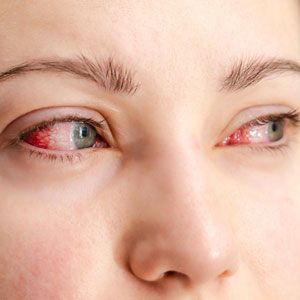
Conjunctivitis, commonly known as pink eye, is an inflammation of the conjunctiva - the thin, clear layer that covers the white part of the eye and the inner surface of the eyelids. When this layer becomes irritated or infected, the tiny blood vessels inside it swell and become more visible, making the eye appear red or pink.
This condition is very common and can affect one or both eyes. It may be short-term (acute), lasting a few days to weeks or long-lasting (chronic) in some cases.
Conjunctivitis can happen due to different reasons:
- Viral infections: It is the most common cause, often linked to cold or flu.
- Bacterial infections: They cause sticky or pus-like discharge.
- Allergic reaction: It is triggered by pollen, dust or pet dander.
- Irritants: They could be smoke, pollution or chemicals.
In allergic conjunctivitis, the body reacts to substances called allergens. This triggers the release of chemicals like histamine, leading to itching, redness and watering. Unlike infectious types, allergic conjunctivitis is not contagious.
Pink eye often causes symptoms like redness, watering, itching, mild swelling and discharge. The white part of the eye may look light pink to deep red, sometimes with crusting on the eyelids, especially after sleep.
While conjunctivitis can be uncomfortable, it usually does not cause serious vision problems. However, some types, especially viral and bacterial conjunctivitis can spread easily from person to person or from one eye to the other.
Early care, proper hygiene and timely medical advice can help relieve symptoms faster and prevent the infection from spreading.
What Are the Conjunctivitis Symptoms You Should Not Ignore?
The symptoms of conjunctivitis can differ based on the cause, but many signs are common in most cases.
Common symptoms include:
- Redness: The white part of the eye looks pink or red due to swelling of tiny blood vessels.
- Swollen eyelids: The eyelids may appear puffy due to inflammation.
- Discharge: Viral conjunctivitis causes watery discharge, while bacterial infection leads to thick yellow or green discharge that may stick to the eyelashes.
- Light sensitivity: Bright light may cause discomfort or watering.
- Itching or burning: Common in allergic conjunctivitis, often with a strong urge to rub the eyes.
- Gritty feeling: A sensation like sand or dust in the eye, even when nothing is present.
If you notice these warning signs, it is important to consult an eye specialist without delay to prevent complications.
When Should You See an Eye Specialist for Conjunctivitis (Pink Eye)?
See an eye specialist (optometrist or ophthalmologist) if you have pink eye along with severe symptoms like strong eye pain, blurred vision, high sensitivity to light or thick yellow or green discharge. You should seek immediate care if symptoms worsen after 48 to 72 hours, especially if you wear contact lenses, have a weak immune system or if a newborn is affected.
You should see an eye specialist if you have:
- Severe symptoms such as strong eye pain, not just mild irritation.
- Vision changes like blurred, unclear, or reduced vision.
- Light sensitivity with pain or discomfort when exposed to bright light.
- Discharge that is thick, yellow or green and makes the eyelids stick together.
- Severe redness with deep or intense redness covering the white part of the eye.
- No improvement i.e., if symptoms do not get better or worsen after 2 to 3 days.
- High-risk conditions, including newborns, contact lens users, or people with low immunity.
- Previous injuries such as any recent eye injury or surgery. Delete the highlighted text.
While mild viral conjunctivitis may improve on its own, bacterial, allergic or severe cases usually need proper medical treatment, including medications or eye drops as advised by a doctor.
What Causes Conjunctivitis (Pink Eye)?
Conjunctivitis (pink eye) happens when the eye lining gets irritated or infected. The most common causes include viruses, bacteria, allergies and exposure to irritants like smoke or chemicals. Viral and bacterial conjunctivitis can spread easily, while allergic and irritant types do not spread.
Main causes of conjunctivitis include:
- Viral infections: This is the most common cause of conjunctivitis. Most cases are due to adenovirus, though other viruses like herpes simplex and varicella-zoster can also cause it. It is often associated with cold symptoms such as sore throat or fever and spreads easily through direct contact and respiratory droplets from coughing or sneezing.
- Bacterial infections: They are more common in children and are caused by bacteria such as Haemophilus, Staphylococcus, or It usually produces thick yellow or green discharge and spreads easily from person to person.
- Allergies: Triggered by pollen, dust, pet dander, smoke or cosmetics. It often causes intense itching and usually affects both eyes.
- Irritants: Caused by exposure to chemicals, chlorine in swimming pools, dust or foreign particles entering the eye.
- Blocked tear ducts in newborns: Babies may develop symptoms if their tear ducts are not fully open.
- Contact lens misuse: Poor hygiene, improper use or wearing lenses for too long can lead to infection or irritation.
Each cause requires a different approach to treatment, making proper diagnosis important. Seek medical care if you have severe pain, vision problems or if symptoms get worse within 1 to 2 days.
What Are the Risk Factors for Conjunctivitis (Pink Eye)?
Certain factors can increase your chances of getting conjunctivitis, especially the viral and bacterial types.
Common risk factors include:
- Close contact: Being around someone with pink eye or sharing items like towels, pillows or eye makeup increases the risk of getting the infection.
- Allergies: People with allergies like hay fever, asthma or eczema are more likely to develop allergic conjunctivitis.
- Poor hygiene: Touching or rubbing your eyes with unwashed hands increases the risk.
- Weak immune system: Conditions like diabetes or ongoing treatments can lower immunity and increase risk.
- Contact lens use: Improper cleaning, reuse or overuse of lenses increases the risk.
- Children and elderly: Children are at higher risk due to close contact in schools, while older adults may be more prone to infections.
- Environmental exposure: Contact with smoke, dust, chemicals, chlorine or allergens like pollen and pet dander increases the risk of getting the infection.
- Recent illness: Viral conjunctivitis often develops after a cold or sore throat.
Maintaining good hygiene and avoiding triggers can reduce the risk of infection.
Did you know?
- Conjunctivitis is one of the most common eye conditions worldwide.
- Viral conjunctivitis spreads easily through contact.
- Allergic conjunctivitis is not contagious.
- Washing hands regularly can help prevent infection.
- Most cases are mild but need proper care.
How Does Conjunctivitis Spread?
Conjunctivitis (pink eye) can spread easily, especially the viral and bacterial types. Allergic and irritant conjunctivitis do not spread from person to person.
It commonly spreads through:
- Direct contact: Touching infected surfaces and then Touching or rubbing your eyes.
- Contaminated objects: Sharing towels, pillow covers, handkerchiefs, eye makeup or contact lens items.
- Airborne droplets: Coughing or sneezing can spread viral infections to others.
- Poor hand hygiene: Not washing hands after touching the eyes or face can pass on germs.
Simple hygiene habits can help prevent the spread to others.
Does conjunctivitis spread by eye contact?
No, conjunctivitis does not spread just by looking at someone, whether in person or on a screen. It spreads only through direct contact with infected eye discharge. It usually spreads through unwashed hands, sharing personal items, or in viral cases through droplets from coughing or sneezing that reach the eyes.
What Are the Different Types of Conjunctivitis?
Conjunctivitis (pink eye) is not the same in every case. It is mainly divided based on its cause, and each type has different symptoms and treatment.
Main types of conjunctivitis
Viral conjunctivitis
It is the most common type, usually caused by viruses like adenovirus. It leads to red, watery and itchy eyes with a gritty feeling. It spreads easily and is often linked with a cold. It usually gets better on its own in 1 to 2 weeks and treatment focuses on relief with lubricating drops.
Bacterial conjunctivitis
It is caused by bacteria such as Staphylococcus, Streptococcus or Haemophilus. It produces thick yellow or green discharge and may cause eyelids to stick together, especially in the morning. It is contagious and often needs antibiotic eye drops or ointment.
Allergic conjunctivitis
It is triggered by allergens like pollen, dust or pet dander. It causes intense itching, redness, watering and swelling, usually in both eyes. It is not contagious and is managed with anti-allergy (antihistamine) drops and avoiding triggers.
Irritant (chemical) conjunctivitis
Happens when the eyes are exposed to irritants such as smoke, chlorine, chemicals or dust. It causes redness, burning and watering. It usually improves after washing the eyes and avoiding the irritant.
Understanding the type of conjunctivitis helps in choosing the right treatment and preventing its spread.
How Is Conjunctivitis Diagnosed?
Conjunctivitis (pink eye) is usually diagnosed through a simple eye check-up by an eye doctor. The diagnosis is based on your symptoms, medical history and an examination of your eyes.
Common diagnostic tests include:
- Medical history: The doctor asks when your symptoms started, if they are getting worse and whether you’ve been in contact with someone who has pink eyes or have allergies.
- Eye examination: The eyes are checked for redness, swelling, discharge and signs of irritation using a light or magnifying tool.
- Discharge testing (if needed): In some cases, a small sample of eye discharge is taken to identify bacterial infection and guide treatment.
- Vision test: A basic eye chart test may be done to make sure your vision is not affected.
- Fluorescein staining: A special dye may be used to check for any damage or scratches on the eye surface.
Based on these findings, the doctor can determine whether the conjunctivitis is viral, bacterial, allergic or due to irritation and suggest the right treatment.
What Are the Complications of Conjunctivitis (Pink Eye)?
Conjunctivitis (pink eye) usually gets better without problems, but in some cases, especially if left untreated, it can lead to serious eye issues.
Possible complications include:
- Corneal inflammation (keratitis): Infection can spread to the cornea, causing pain, blurred vision and light sensitivity.
- Corneal ulcers or scarring: Severe infections may damage the cornea and affect vision.
- Chronic or recurrent infection: Symptoms may last longer or keep coming back if not treated properly.
- Vision problems: Rarely, untreated cases can lead to long-term or permanent vision loss.
- Eye inflammation conditions: Such as uveitis or deeper eye involvement in severe cases.
- Secondary (bacterial) infection: A new infection can develop on top of the existing one.
- Newborn complications: In babies, certain infections can cause serious eye damage or blindness if not treated early.
When to be careful
Seek medical care if symptoms worsen, do not improve within a few days, or if you have severe pain or vision changes. Early treatment helps prevent complications and protects your eyesight.
What Are the Available Conjunctivitis Treatment Options?
Treatment for conjunctivitis (pink eye) depends on the cause - viral, bacterial, allergic or irritant. The main goal is to relieve symptoms and treat the underlying problem.
Viral conjunctivitis
Usually clears on its own within 1 to 2 weeks. Treatment focuses on relief with artificial tears, cold compresses and good hygiene. Antiviral medicines may be needed in specific cases like herpes infections.
Bacterial conjunctivitis
Treated with antibiotic eye drops or ointments such as tobramycin or moxifloxacin. These help clear the infection and reduce spread.
Allergic conjunctivitis
Managed with antihistamine or anti-allergy eye drops and by avoiding triggers like pollen or dust. In some cases, doctors may prescribe stronger medications if symptoms are severe.
Irritant conjunctivitis
Treated by washing the eyes with clean water or saline and avoiding the irritant. Lubricating eye drops help soothe the eyes.
Supportive care:
- Use cold or warm compresses to reduce discomfort.
- Apply artificial tears to keep the eyes moist.
- Maintain good hand hygiene to prevent spread.
- Avoid contact lenses until the eyes heal.
- Gently clean eyelids to remove discharge.
Note: Avoid self-medicating with eye drops without medical advice, especially steroid drops. If symptoms are severe, do not improve or worsen, consult an eye specialist for proper treatment.
Key points to know:
- Most cases are mild and treatable.
- Proper hygiene is essential.
- Avoid self-medication.
- Early diagnosis helps prevent spread.
How Can You Take Care of Conjunctivitis at Home?
Taking proper care of conjunctivitis (pink eye) at home can help relieve symptoms and prevent the infection from spreading.
Do’s
- Wash your hands often to stop the spread of infection.
- Use a clean tissue or cotton to gently clean any discharge.
- Apply a cool compress to reduce redness and irritation.
- Avoid wearing contact lenses until your eyes are fully better.
- Use prescribed eye drops or medicines as directed by your doctor.
Don’ts
- Do not rub your eyes, as it can worsen the condition.
- Avoid sharing towels, makeup, or other personal items.
- Stay away from crowded places to reduce the risk of spreading infection.
- Do not use expired or unprescribed eye drops or medicines.
How to Prevent Conjunctivitis (Pink Eye)?
Preventing conjunctivitis mainly involves good hygiene and avoiding contact with infection or irritants.
Simple ways to prevent pink eye includes:
- Wash your hands often with soap and water, especially before touching your face or eyes.
- Avoid touching or rubbing your eyes, as this can transfer germs.
- Do not share personal items like towels, pillowcases, makeup, contact lenses, or eye drops.
- Clean frequently touched surfaces such as phones, doorknobs, and keyboards.
- Follow proper contact lens care, clean them well and replace cases regularly.
- Protect your eyes from dust, smoke, chemicals, and allergens by using protective eyewear.
- Manage allergies by avoiding triggers like pollen or pet dander.
If you already have conjunctivitis
- Wash hands after touching your eyes or using eye drops.
- Wash towels and pillowcases in hot water.
- Avoid using old or shared eye makeup.
- Do not wear contact lenses until the infection clears
Following these simple steps can help prevent conjunctivitis and stop it from spreading to others.
What Questions Should You Ask Your Eye Specialist?
You can ask your doctor these simple questions:
- Do I have conjunctivitis or another eye problem?
- What type of conjunctivitis do I have (viral, bacterial or allergic)?
- How serious is my condition?
- Is my conjunctivitis contagious? How can I prevent spreading it?
- What is the cause of my symptoms?
- Do I need any tests or only a basic eye examination?
- What treatment is best for me?
- How long will it take for my eyes to heal?
- Can I continue my daily activities like work or school?
- What precautions should I follow at home?
- When should I come back for a follow-up visit?
- What warning signs should I watch for?
Book Your Conjunctivitis Consultation at Ojas Maxivision Eye Hospital
If you are experiencing redness, irritation or discharge, timely care is important. At Ojas Maxivision Eye Hospital, we provide expert diagnosis and personalized care for all types of eye conditions.
For those looking for an eye hospital in Mumbai or seeking reliable conjunctivitis treatment in Mumbai, our experienced team is here to help you recover safely and comfortably.
Frequently Asked Questions About Conjunctivitis
Early signs of conjunctivitis include redness in the eyes, mild irritation, watering and a gritty feeling. Some people may notice slight itching or discomfort. These symptoms may start in one eye and spread to the other. Early recognition helps in timely care and prevents worsening.
Conjunctivitis can be caused by viral infections, bacterial infections, allergies like pollen or dust, or irritants such as smoke, chlorine or chemicals. The exact cause is important because it helps the doctor decide the right treatment, whether it needs medication, allergy control or simple supportive care.
Yes, conjunctivitis can be contagious if caused by viruses or bacteria. It spreads easily through direct contact, shared items or touching infected surfaces. However, allergic conjunctivitis is not contagious. Maintaining proper hygiene, like frequent handwashing, can help prevent the spread of infection.
The duration of conjunctivitis depends on its type. Viral conjunctivitis usually lasts 7 to 14 days, while bacterial infections may improve within a week with treatment. Allergic conjunctivitis can last longer if the allergen is present. Early care and hygiene can help speed up recovery.
Yes, many cases, especially viral conjunctivitis, can resolve on their own without specific treatment. However, proper eye care, hygiene, and avoiding irritants are important. Bacterial conjunctivitis may need antibiotic drops, so it is best to consult an eye doctor for the correct diagnosis and treatment.
It is usually better to avoid going to work or school, especially in the early stage when symptoms like discharge and redness are active. Viral and bacterial conjunctivitis can spread easily through contact, so staying home helps protect others and allows your eyes to recover faster.
To prevent conjunctivitis from spreading, maintain good hygiene by washing hands frequently and avoiding touching your eyes. Do not share towels, pillow covers, makeup or eye drops. Clean commonly used surfaces and avoid close contact with others until symptoms improve, especially in contagious cases.
You should consult a doctor if you have severe eye pain, blurred vision, strong light sensitivity or heavy discharge. Also seek medical advice if symptoms do not improve within a few days, affect only one eye severely or if you wear contact lenses or have other health conditions. Early consultation helps prevent complications and ensures proper treatment.
Yes, conjunctivitis is very common in children due to their close contact with others and frequent hand-to-eye contact. It can spread quickly in schools or daycare settings. Early care, proper hygiene and avoiding sharing personal items can help manage and prevent infection.
No, you should avoid wearing contact lenses if you have conjunctivitis. Lenses can worsen irritation and delay healing. They may also trap bacteria or viruses, increasing the risk of infection. It is best to use glasses until your eyes have fully recovered.
In most cases, conjunctivitis does not cause permanent vision problems. However, it can lead to temporary blurred vision due to discharge or irritation. If you notice significant vision changes, sensitivity to light or pain, you should consult an eye specialist immediately.
Some basic home care methods can help reduce discomfort. Applying a clean cold compress can soothe irritation and swelling. Using lubricating eye drops may help wash out irritants. However, these methods only provide relief and do not replace proper medical treatment if needed.
During conjunctivitis, avoid touching or rubbing your eyes, sharing towels, pillows, or cosmetics, and using contact lenses. Also avoid dusty or polluted environments. These precautions help prevent worsening of symptoms and reduce the risk of spreading infection to others.
Yes, conjunctivitis often starts in one eye and can spread to the other, especially in viral and bacterial cases. This usually happens due to touching or rubbing the infected eye and then touching the other eye. Proper hygiene can help prevent this spread.
Conjunctivitis usually causes mild discomfort rather than severe pain. You may feel irritation, burning, or a gritty sensation. However, if you experience strong pain, sensitivity to light, or vision loss, it could indicate a more serious condition that needs urgent medical attention.
Yes, allergic conjunctivitis occurs when the eyes react to allergens like pollen, dust, or pet dander. It usually affects both eyes and causes itching, redness, and watering. Unlike infections, it is not contagious and improves when the allergen is avoided or treated.
The fastest way to treat conjunctivitis depends on the cause. Bacterial infections respond well to antibiotic drops, while viral cases improve with supportive care like lubricating drops and hygiene. Avoiding irritants and maintaining eye cleanliness helps speed up healing and reduce discomfort.
Simple home care like using clean, warm or cold compresses can help relieve symptoms. However, home remedies alone may not treat the underlying cause. It is important to avoid self-medication and consult an eye doctor if symptoms persist or worsen.
Yes, conjunctivitis can recur, especially if hygiene is poor or exposure to allergens continues. Repeated infections may also occur in crowded environments. Maintaining proper eye care, avoiding triggers and following medical advice can help reduce the chances of recurrence.
Most cases of conjunctivitis are mild and resolve without complications. However, some infections can become serious if left untreated, especially if they involve the cornea. It is important to seek medical advice if symptoms are severe or do not improve.
The cost of conjunctivitis treatment depends on the type and severity of the condition, as well as the treatment required. Mild cases may need simple medications, while others may require detailed evaluation. For an accurate estimate, it is best to consult the hospital directly. Please contact us by phone or email to book a consultation.
Yes, Ojas Maxivision Eye Hospital provides cashless treatment through selected insurance providers. It is empaneled with organizations like CGHS, RBI, NABARD and BSNL. Patients are advised to check their eligibility and coverage details with the hospital before starting treatment.
Ojas Maxivision Eye Hospital is located in Mumbai, Maharashtra, with centers in areas like Bandra (West), Kandivali (East) and Juhu. These locations make it easily accessible for patients across the city seeking quality eye care services.
Key Facts About Conjunctivitis (Pink Eye)
- Conjunctivitis (pink eye) is inflammation of the eye’s outer layer, making eyes red and irritated.
- Common symptoms include redness, watering, itching and discharge.
- It can be caused by viruses, bacteria, allergies or irritants like dust or smoke.
- Viral and bacterial types are contagious and spread through contact.
- Allergic conjunctivitis is not contagious.
- Treatment depends on the cause - some cases heal on their own, while others need medication.
- Good hygiene helps prevent spread and reinfection.