


 Bandra
 Kandivali
 Juhu
Juhu
In this section
- Pterygium (Surfer’s Eye) Overview
- Pterygium (Surfer’s Eye) Symptoms
- Pterygium (Surfer’s Eye) Causes
- Pterygium (Surfer’s Eye) Risk Factors
- Pterygium (Surfer’s Eye) Types
- Pterygium (Surfer’s Eye) Diagnosed
- Pterygium (Surfer’s Eye) Complications
- Pterygium (Surfer’s Eye) Treatment
- Pterygium (Surfer’s Eye) Prevent
- Pterygium (Surfer’s Eye) FAQs
What Is Pterygium (Surfer’s Eye)?
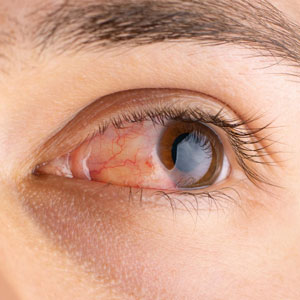
Pterygium, commonly called “Surfer’s Eye,” is a non-cancerous growth that develops on the white part of the eye (conjunctiva) and may gradually extend onto the cornea (the clear front surface of the eye). It usually appears as a pink, fleshy or slightly raised tissue with visible blood vessels and often has a triangular or wing-like shape.
This condition is mainly caused by long-term exposure to ultraviolet (UV) rays, along with environmental factors such as wind, dust and dry conditions. It is more commonly seen in people who spend a lot of time outdoors, especially in sunny or coastal areas.
Although pterygium is not cancerous and does not spread to other parts of the body, it can slowly grow over time. In mild cases, it may cause redness, irritation, dryness or a feeling of something in the eye. In more advanced cases, when the growth extends onto the cornea, it can lead to blurred vision or affect eyesight.
Early diagnosis and proper management are important to control symptoms and prevent progression. In severe cases where vision is affected, medical treatment or surgery may be required.
What Are the Pterygium (Surfer’s Eye) Symptoms You Should Not Ignore?
In the early stage, pterygium may cause only mild irritation or a visible growth. As it gradually increases in size, it can start affecting comfort and vision. Symptoms may vary depending on the size of the growth, how far it has extended on the eye and where it is located.
Common pterygium symptoms include:
- Visible fleshy growth on the eye: A pink or whitish, raised tissue usually seen on the white part of the eye, often starting near the inner corner.
- Redness and inflammation: The eye may appear red or bloodshot, especially after exposure to sunlight, wind or dust.
- Gritty or foreign body sensation: A feeling as if sand or something is stuck in the eye, leading to frequent blinking or rubbing.
- Dryness and burning sensation: The eyes may feel dry, irritated or experience a burning feeling due to tear film disturbance.
- Itching and irritation: Continuous irritation or itching, especially in dry or polluted environments.
- Watery eyes (tearing): Excessive tearing may occur as the eye tries to protect itself from irritation.
- Blurred or distorted vision: As the growth extends onto the cornea, it can affect vision and may cause astigmatism or blurriness.
If you notice any of these symptoms, especially a growing tissue or changes in vision, it is important to consult an eye specialist for timely diagnosis and proper care.
When Should You See an Eye Specialist for Pterygium (Surfer’s Eye)?
You should consult an eye specialist if a pterygium causes ongoing redness, irritation or starts affecting your vision. Small growths may only need regular monitoring, but medical attention is important if it begins to grow towards the center of the eye, causes blurred vision or leads to discomfort.
Common reasons to see an eye specialist include:
- Changes in vision: Blurred or distorted vision if the growth affects the cornea.
- Persistent irritation: Burning, itching, or a constant gritty feeling in the eye.
- Increase in size: Noticeable growth of the pink, fleshy tissue.
- Ongoing redness or swelling: Redness that does not improve with basic eye drops.
- Appearance concerns: If the growth affects how your eye looks.
Even if the growth is small and not causing major symptoms, it is important to get a proper diagnosis and guidance to prevent future complications.
What Causes Pterygium (Surfer’s Eye)?
Pterygium mainly develops due to long-term exposure to sunlight, especially harmful ultraviolet (UV) rays. Environmental factors like wind, dust, heat and dry conditions can irritate the eyes repeatedly, leading to abnormal tissue growth on the conjunctiva that may extend onto the cornea.
Common causes include:
- Excessive UV exposure: Spending long hours in the sun without eye protection is the most important cause, especially in hot and tropical regions. That is why it is commonly seen in outdoor workers, fishermen, surfers and farmers.
- Wind, dust and pollution: Continuous exposure to these irritants can cause inflammation and trigger growth on the eye surface.
- Outdoor lifestyle: People who work or spend a lot of time outdoors, such as farmers, drivers and construction workers, are at higher risk.
- Dry eyes: Lack of proper tear moisture can increase irritation and make the eyes more vulnerable.
- Age and long-term exposure: It is more common in adults due to years of sun and environmental exposure.
- Genetic factors: Some individuals may be more prone to developing pterygium due to family history.
Although pterygium is not cancerous, early care and protection, such as wearing UV-blocking sunglasses and avoiding prolonged sun exposure, can help prevent its development and progression.
What Are the Risk Factors for Pterygium (Surfer’s Eye)?
Pterygium is more likely to develop in people who are regularly exposed to sunlight and harsh environmental conditions. Certain environmental, lifestyle, and individual factors can increase the risk of developing pterygium over time.
Common risk factors include:
- Frequent sun exposure without protection: Long-term exposure to ultraviolet (UV) rays from the sun can damage the surface of the eye and lead to abnormal tissue growth, especially without sunglasses or hats.
- Living in hot or dry climates: People living in areas with high temperatures, strong sunlight, and dry air are more likely to develop eye irritation, increasing the risk of pterygium.
- Outdoor occupations and activities: Individuals such as drivers, construction workers, farmers and athletes who spend long hours outdoors are at higher risk due to constant exposure to sunlight, dust and wind.
- Lack of protective eyewear: Not wearing UV-protective sunglasses or eye shields allows harmful rays and environmental irritants to directly affect the eyes.
- Male gender: Studies suggest that men may have a slightly higher risk, possibly due to greater outdoor exposure in certain occupations.
- Age (more common in adults): The risk increases with age, as the eyes are exposed to environmental factors over many years.
- Family history: A genetic tendency may make some individuals more prone to developing pterygium.
- Vitamin A deficiency: Lack of adequate vitamin A can affect eye surface health and may contribute to the development of eye conditions.
- Certain viral infections (such as HPV): Some research suggests that viral infections may play a minor role in the development of pterygium in certain cases.
Understanding these risk factors can help you take preventive steps, such as protecting your eyes from sunlight and avoiding prolonged exposure to harmful environmental conditions.
Did you know?
- Pterygium is more common in people living near the equator.
- It is called “surfer’s eye” due to frequent exposure to sun and wind.
- Not all pterygium cases need surgery.
- Wearing sunglasses can reduce the risk.
- Early treatment can prevent vision problems.
What Are the Types of Pterygium (Surfer’s Eye)?
Pterygium can be classified based on its size and severity. Understanding the type helps doctors decide the right treatment and whether surgery is needed.
Grade 1 (Mild)
A small growth that stays near the edge of the cornea and usually does not affect vision. It may only cause mild irritation or redness.
Grade 2 (Moderate)
The growth extends further onto the cornea but still does not significantly block vision. Symptoms like dryness and discomfort may increase.
Grade 3 (Advanced)
The pterygium grows over a larger part of the cornea and may start affecting vision, causing blurriness or mild distortion.
Grade 4 (Severe)
The growth reaches the central part of the cornea (pupil area), leading to significant vision problems such as blurred vision and astigmatism. Surgery is often required at this stage.
Identifying the type and stage of pterygium is important for timely treatment and preventing vision problems.
What Is the Difference Between Pterygium and Pinguecula?
A pinguecula and a pterygium are both common growths on the white part of the eye (conjunctiva), usually caused by long-term exposure to sunlight, dust and dry conditions. However, they differ in appearance, severity and effect on vision.
The main differences include:
- Appearance: Pinguecula is a small, yellowish-white bump, while pterygium is a pink, fleshy growth with visible blood vessels.
- Growth pattern: Pinguecula stays on the conjunctiva and does not spread, whereas pterygium can grow onto the cornea.
- Effect on vision: Pinguecula usually does not affect vision, but pterygium can cause blurred vision if it grows large.
- Symptoms: Pinguecula may cause mild dryness or irritation, while pterygium can lead to redness, discomfort and a gritty sensation.
- Treatment: Pinguecula rarely needs treatment and is managed with lubricating drops, while pterygium may require medication or surgery in advanced cases.
In simple terms, a pinguecula is a mild and common condition, while a pterygium is more progressive and may need medical care if it increases in size.
How Is Pterygium (Surfer’s Eye) Diagnosed?
Pterygium is usually diagnosed during a routine eye check-up by an eye specialist. In most cases, the condition can be identified easily because of its typical appearance as a fleshy growth on the eye surface.
Common diagnostic tests include:
- Slit-lamp examination: This is the main test used to diagnose pterygium. A special microscope with a bright light allows the doctor to closely examine the conjunctiva and cornea and check how far the growth has spread.
- Visual acuity test: This test checks how clearly you can see using an eye chart. It helps determine if the pterygium is affecting vision or causing refractive errors like astigmatism.
- Photo documentation: The doctor may take detailed images of the eye over time to monitor the size and progression of the growth and decide if treatment is needed.
- Corneal topography: This advanced test maps the shape and curvature of the cornea. It is useful if the growth is large and may be distorting the cornea or affecting vision quality.
In most cases, pterygium can be diagnosed quickly during a standard eye examination. These tests help assess the severity of the condition, its effect on vision and guide the doctor in planning the most suitable treatment.
What Are the Complications of Pterygium (Surfer’s Eye)?
Pterygium is usually a non-cancerous condition, but if it is not treated or monitored properly, it can lead to several complications that may affect eye comfort and vision.
Possible complications include:
- Blurred or reduced vision: As the growth spreads onto the cornea, it can block or distort vision, especially if it reaches the central area of the eye.
- Astigmatism: The pterygium can change the shape of the cornea, leading to uneven curvature and causing blurred or distorted vision.
- Chronic eye irritation: Ongoing redness, dryness, burning and a gritty sensation may persist due to constant inflammation.
- Corneal scarring: In advanced cases, the growth may cause scarring on the cornea, which can lead to long-term vision problems.
- Increased risk of infection: Irritation and inflammation of the eye surface may make it more prone to infections, causing pain and discharge.
- Double vision (rare): In severe cases, changes in the cornea may lead to double vision, affecting daily activities.
- Recurrence after treatment: Even after surgical removal, there is a chance that the pterygium may grow back if proper care is not taken.
- Cosmetic concerns: The visible growth on the eye may affect appearance and cause discomfort for some individuals.
Early diagnosis and proper treatment can help prevent these issues and protect your vision.
What Are the Available Pterygium (Surfer’s Eye) Treatment Options?
The treatment for pterygium depends on how severe the condition is and whether it is affecting your comfort or vision. Mild cases can often be managed without surgery, while advanced cases may require a procedure to remove the growth.
Non-Surgical Treatment (For Mild Symptoms)
- UV protection: Wearing sunglasses that block UV rays and using a hat can help slow down the growth.
- Anti-inflammatory eye drops: Short-term use of prescribed drops can reduce redness and swelling.
- Lubricating eye drops (artificial tears): Help reduce dryness, irritation, and the feeling of something in the eye.
- Avoiding irritants: Reducing exposure to dust, smoke, wind, and pollution can prevent symptoms from worsening.
- Regular monitoring: If the pterygium is small and not affecting vision, your doctor may simply monitor it with routine eye check-ups.
Surgical Treatment (For Advanced Cases)
Surgery is recommended when the growth becomes large, causes persistent discomfort or starts affecting vision.
- Pterygium excision: The abnormal tissue is carefully removed from the eye surface.
- Conjunctival autograft: Healthy tissue from another part of the eye is placed over the area to reduce the risk of recurrence.
- Amniotic membrane graft: In certain cases, a special membrane is used to support healing and reduce scarring.
Early diagnosis and the right treatment approach can help control symptoms, improve comfort and protect your vision.
Key points to know:
- Mild pterygium can be managed with eye drops, sunglasses and avoiding dust and sunlight.
- Surgery is needed only if it grows large, affects vision or causes persistent discomfort.
- Pterygium surgery is safe and usually done as a quick day-care procedure.
- Recovery is generally smooth, but mild redness and irritation may last for a few weeks.
- There is a small chance of recurrence, but modern techniques help reduce this risk.
What Questions Should You Ask Your Eye Specialist?
You can ask your doctor these simple questions:
- Do I have pterygium or any other eye condition?
- Is it affecting one eye or both eyes?
- How serious is my condition right now?
- Will it grow further or affect my vision?
- What are the treatment options available for me?
- Do I need surgery or can it be managed with eye drops?
- What are the risks if I delay treatment?
- How can I reduce irritation and protect my eyes daily?
- What precautions should I take to prevent it from getting worse?
- How often should I come for follow-up check-ups?
Can I Prevent Pterygium (Surfer’s Eye)?
Preventing pterygium mainly involves protecting your eyes from sunlight, dust and dry environmental conditions. Simple daily habits can help reduce the risk and slow down its growth.
Key ways to prevent pterygium:
- Wear UV-protected sunglasses: Choose sunglasses that block 100% of UV rays. Wraparound styles are better as they protect your eyes from sunlight, wind and dust from the sides.
- Use hats or caps: Wearing a wide-brimmed hat or visor helps reduce direct exposure to sunlight and protects your eyes outdoors.
- Keep your eyes moist: Use lubricating eye drops (artificial tears) to prevent dryness and reduce irritation, especially in dry or windy conditions.
- Avoid peak sunlight hours: Try to limit outdoor activities between 10 a.m. and 4 p.m., when UV rays are strongest.
- Protect from dust and wind: Use protective eyewear in dusty or polluted environments to reduce irritation.
- Regular eye check-ups: Routine eye examinations help detect early changes and manage the condition before it worsens.
If you already have pterygium, following these steps can help control symptoms and prevent further growth.
Book Your Appointment at Ojas Maxivision Eye Hospital
If you are experiencing redness, irritation or a visible growth in your eye, early care is important. At Ojas Maxivision Eye Hospital, patients receive advanced care and personalized treatment for a wide range of eye conditions.
For those looking for an eye hospital in Mumbai or seeking expert care for pterygium treatment in Mumbai, our experienced team offers safe and effective solutions tailored to your needs.
Frequently Asked Questions About Pterygium (Surfer’s Eye)
Early signs of pterygium include mild redness, dryness, irritation, and a small raised growth on the white part of the eye. Some people may also feel a burning or gritty sensation, especially when exposed to sunlight, dust, or windy environments.
Pterygium (surfer’s eye) is mainly caused by long-term exposure to ultraviolet (UV) rays from sunlight. Other contributing factors include dust, wind, dry climate and chronic eye irritation. People who spend a lot of time outdoors without eye protection are more likely to develop this condition.
Pterygium is usually not dangerous, but if it grows larger, it can affect vision by altering the shape of the cornea. In advanced cases, it may lead to blurred vision or astigmatism. Early diagnosis and timely treatment help prevent complications and protect your eye health.
Pterygium often develops on the nasal (inner) side of the eye because this area gets more reflected ultraviolet (UV) light from surfaces like water, sand and roads. This increased exposure can damage the eye surface over time, leading to tissue growth in that region.
No, pterygium does not go away on its own. While mild symptoms like dryness and irritation can be controlled with eye drops and care, but the growth itself remains. If it increases in size or affects vision, surgical removal may be required.
Treatment depends on severity. Mild cases are managed with lubricating eye drops, anti-inflammatory medicines and UV protection. In advanced cases, surgery is performed to remove the growth, often followed by grafting to reduce the risk of recurrence.
Pterygium surgery is usually not painful, as it is performed under local anesthesia. You may feel mild discomfort, redness or irritation after the procedure, but these symptoms are temporary and can be managed with prescribed medications and proper post-operative care.
Pterygium surgery is a quick procedure that usually takes about 30 to 45 minutes. It is done as a day-care treatment, so patients can go home the same day after a short recovery period and follow the doctor’s instructions for healing.
Yes, pterygium can recur after surgery, especially if proper care is not taken. However, modern procedures like conjunctival autografting have significantly reduced the risk of recurrence. Wearing UV-protective eyewear and following post-surgery advice also helps prevent regrowth.
Pterygium surgery is generally safe, but mild redness, irritation and blurred vision are common during recovery. Rare complications may include infection, graft-related issues or regrowth of the pterygium. If you notice worsening vision, severe pain or unusual symptoms, you should consult your eye doctor immediately.
Yes, if the growth extends onto the cornea, it can distort its shape and lead to blurred vision or astigmatism. In advanced cases, it may block the visual axis. Early treatment helps prevent these vision-related complications.
People who spend long hours outdoors in sunlight, dust or windy environments are at higher risk. This includes drivers, farmers, construction workers, athletes and individuals living in hot or dry climates without proper eye protection.
Pterygium is less common in children but can still occur, especially with high sun exposure. It is more frequently seen in adults due to long-term environmental exposure over time. Regular eye protection can help reduce the risk in all age groups.
You can reduce the risk by wearing UV-protective sunglasses, using hats or caps outdoors, avoiding dust and dry conditions and using lubricating eye drops. Regular eye check-ups also help in early detection and prevention of progression.
No, they are different conditions. Pinguecula is a yellowish deposit on the white part of the eye that does not grow onto the cornea, while pterygium is a fleshy growth that can extend over the cornea and affect vision.
The best eye drops for pterygium usually include lubricating artificial tears to relieve dryness and irritation. In some cases, doctors may prescribe anti-inflammatory or mild steroid drops to reduce redness and swelling. The choice depends on symptom severity, so it is important to consult an eye specialist for the right treatment plan.
Initial recovery usually takes about 1 to 2 weeks, but complete healing may take a few weeks. Redness and mild discomfort are common during recovery and following your doctor’s instructions helps ensure faster and smoother healing.
It is better to avoid contact lenses during active symptoms, as they can increase irritation and discomfort. Your doctor will guide you on when it is safe to resume wearing them after proper treatment or recovery.
Pterygium usually causes irritation rather than severe pain. Common symptoms include burning, dryness, redness and a gritty feeling, like something is stuck in the eye. Severe pain is uncommon and should be evaluated by a doctor.
No, eye drops cannot remove pterygium. They help relieve symptoms like dryness, redness and irritation. The only way to completely remove the growth is through surgery if it becomes large or affects vision.
Surgery is recommended if the growth affects vision, causes persistent discomfort or continues to grow despite medical treatment. It may also be considered for cosmetic reasons if the appearance of the eye is significantly affected.
Yes, pterygium surgery is a safe and commonly performed procedure with a high success rate. Modern surgical procedures help reduce complications and recurrence, making it an effective treatment for advanced or symptomatic cases.
The cost of pterygium treatment depends on the severity of the condition, type of procedure, surgeon’s expertise and medications required. A proper eye examination and consultation will help determine a personalized treatment plan and overall cost. For an estimate tailored to your eye condition and vision needs, please call or email us to schedule a consultation.
Yes, Ojas Maxivision Eye Hospital provides cashless treatment for selected procedures through approved insurance providers. It is empaneled with CGHS, RBI, NABARD and BSNL. Coverage for procedures such as pterygium surgery depends on your insurance policy and approval. Patients are advised to confirm their coverage and eligibility in advance.
Ojas Maxivision Eye Hospital is located in Mumbai, Maharashtra, with multiple branches at Bandra (West), Kandivali (East) and Juhu, making it convenient and easily accessible for patients seeking quality eye care services.
Key Facts About Pterygium (Surfer’s Eye)
- Pterygium is a non-cancerous, fleshy growth on the white part of the eye.
- It can slowly grow towards the cornea and may affect vision if it becomes large.
- It is commonly caused by long-term exposure to sunlight, dust and wind.
- It is more common in people who spend a lot of time outdoors.
- Early signs include redness, irritation, dryness and a visible growth on the eye.
- It may cause a burning or gritty sensation, like something is stuck in the eye.
- Mild cases can be managed with eye drops, while advanced cases may need surgery.