


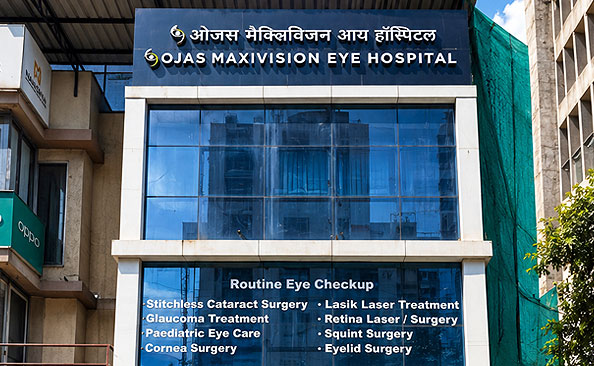
 Bandra
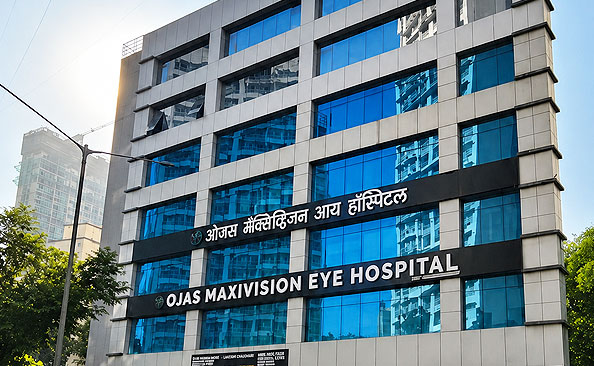 Kandivali
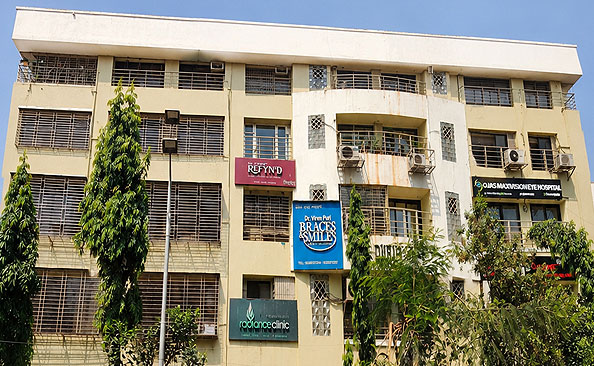 Juhu
Juhu
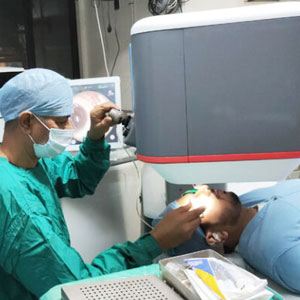
Ojas Maxivision Eye Hospital – A Pioneer in SILK Eye Surgery
- 34+ Years of refractive and laser vision correction excellence in India.
- First in Mumbai and Western India to introduce INTRALASE Blade-Free LASIK technology in 2011.
- Among one of the first few in India to adopt advanced Contoura Vision with Bladeless Femto LASIK in 2017.
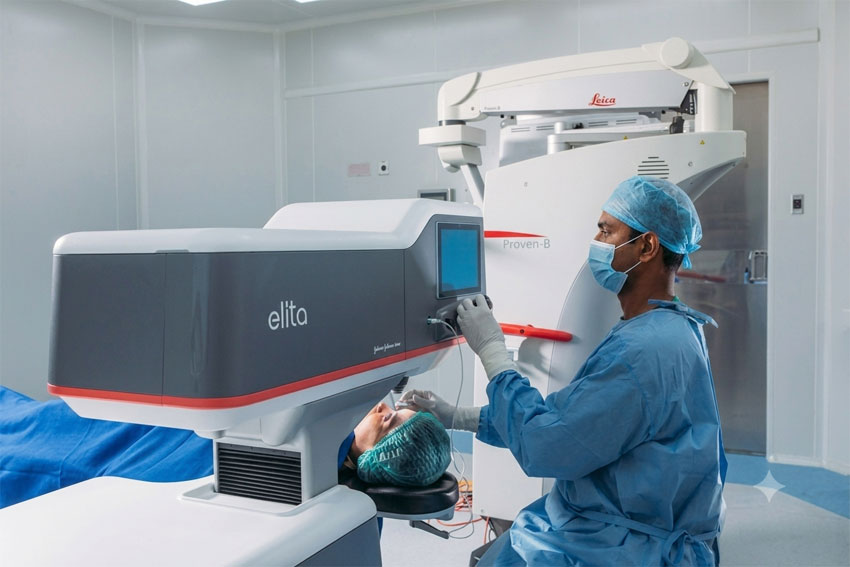
- First in Western India to launch ELITA Femtosecond Laser platform for SILK laser vision correction.
What Is SILK Eye Surgery?
SILK eye surgery is an advanced laser eye treatment helping people who wear glasses and contact lenses. It is an advanced refractive surgery that reshapes the cornea using highly precise laser technology to improve the way light focuses on the retina.
Unlike traditional LASIK procedures, SILK eye surgery is designed to be minimally invasive and flap-free. The procedure uses advanced laser precision to preserve corneal strength and making your vision better. SILK eye surgery is an option for people who want to see clearly without glasses or contact lenses.
SILK eye surgery may help correct:
- Blurred distance vision
- Difficulty reading without glasses
- Astigmatism-related visual distortion
- Dependence on corrective eyewear
The treatment is quick, highly precise and usually performed as a day-care procedure.
SILK Eye Surgery in Mumbai - An Advanced Blade-Free Vision Correction at Ojas Maxivision Eye Hospital
Clear vision makes a difference in daily life. It helps you work better, drive safely, read easily and enjoy life. If you are tired of depending on glasses or contact lenses, SILK eye surgery may help you achieve sharper and more comfortable vision with advanced laser technology.
At Ojas Maxivision Eye Hospital in Mumbai, we provide advanced SILK eye surgery for suitable candidates looking for modern vision correction treatment. Our experienced eye specialists use advanced diagnostic procedures and personalized treatment planning to help patients achieve improved visual clarity with safety and precision.
SILK eye surgery is a minimally invasive laser vision correction procedure designed to treat refractive errors such as:
- Myopia (Nearsightedness)
- Hyperopia (Farsightedness)
- Astigmatism
The procedure is flap-free, gentle on the cornea and designed for faster visual recovery with minimal discomfort.
Why Is SILK Eye Surgery Performed?
SILK Eye Surgery is performed to improve vision and reduce dependence on glasses or contact lenses. Many people choose this procedure because it offers comfortable vision correction with advanced laser precision.
People may consider SILK eye surgery if they:
- Frequently use glasses or contact lenses
- Have difficulty during sports or outdoor activities
- Experience contact lens discomfort
- Want long-term vision correction
- Have stable eye power
- Are looking for a minimally invasive laser eye procedure
The surgery is customized according to the patient’s eye shape, corneal thickness and refractive error.

Why Is SILK Eye Surgery Considered an Advanced Vision Correction Procedure?
SILK (Smooth Incision Lenticule Keratomileusis) eye surgery is an advanced laser vision correction procedure used to permanently treat refractive errors such as myopia (nearsightedness) and astigmatism. The procedure uses a highly precise femtosecond laser to reshape the cornea through a very small incision without creating a large corneal flap like traditional LASIK. It is considered a minimally invasive treatment that offers faster recovery, less discomfort and a lower chance of dry eyes after surgery.
Purpose of SILK eye surgery:
- Long-term vision correction: SILK eye surgery helps reduce or eliminate dependence on glasses or contact lenses by correcting refractive errors.
- Flap-free and minimally invasive procedure: Unlike LASIK, SILK surgery does not involve creating a large corneal flap, which helps maintain better corneal strength and stability.
- Advanced laser technology: The procedure uses the advanced ELITA femtosecond laser system to create a thin layer of corneal tissue (lenticule), which is removed through a tiny incision.
- Faster recovery and comfort: Most patients experience minimal discomfort and notice clearer vision within 24 to 48 hours after surgery.
- Reduced risk of dry eyes: Since the surgery causes less disturbance to corneal nerves, many patients experience fewer dry eye symptoms compared to traditional laser eye procedures.
SILK eye surgery may be suitable for people with active lifestyles or those with thinner corneas who may not be ideal candidates for LASIK surgery.
Who Can Benefit from SILK Eye Surgery?
SILK Eye Surgery may be suitable for adults with stable vision and healthy eyes. It is often considered a suitable alternative for people who may not qualify for traditional LASIK or those looking for quicker recovery and improved comfort.
People considering SILK eye surgery usually need to meet certain criteria, including:
- Age requirement: Candidates are generally advised to be at least 18 years old. Eye power should be stable before planning surgery.
- Stable eye power: The glasses or contact lens number should remain stable for at least 6 to 12 months before the procedure.
- Refractive errors suitable for treatment: SILK eye surgery may help correct -Myopia (nearsightedness) and Astigmatism
- Healthy corneas: Candidates should have healthy corneas with adequate thickness. Since SILK is flap-free, it may also be suitable for some patients with thinner corneas who may not be ideal candidates for LASIK surgery.
- Suitable for active lifestyles: The procedure is often preferred by individuals involved in sports, outdoor activities or physically active professions because of its minimally invasive approach and faster recovery.

Who May Not Be Suitable for SILK Eye Surgery?
SILK (Smooth Incision Lenticule Keratomileusis) eye surgery may not be suitable for everyone. Certain eye conditions, health problems or unstable vision can affect the safety and results of the procedure. A detailed eye examination is important to determine whether a person is eligible for treatment.
People who may not be suitable for SILK eye surgery include:
- Individuals below 18 years of age: The procedure is usually not recommended for people whose eye power is still changing.
- People with unstable vision: Candidates should have stable glasses or contact lens power for at least one year before surgery.
- Patients with thin or unhealthy corneas: Conditions such as keratoconus or irregular corneal shape may make the surgery unsafe.
- People with advanced eye diseases: SILK eye surgery may not be suitable for patients with - advanced glaucoma, cataracts, severe dry eyes, active eye infections or inflammation
- Patients with very high refractive errors: Very high myopia or severe astigmatism may require alternative vision correction options.
- People with uncontrolled medical conditions: Certain health problems such as uncontrolled diabetes, autoimmune disorders or conditions affecting healing may increase surgical risks.
- Pregnant or breastfeeding women: Hormonal changes during pregnancy and breastfeeding can temporarily affect vision and eye measurements.
A comprehensive eye evaluation helps determine whether SILK eye surgery is the right and safe treatment option for an individual.
What Symptoms May Indicate the Need for SILK Eye Surgery?
SILK (Smooth Incision Lenticule Keratomileusis) eye surgery is an advanced bladeless laser vision correction procedure mainly used to treat myopia (nearsightedness) and astigmatism. It is designed for people who want to reduce dependence on glasses or contact lenses and achieve clearer vision with a minimally invasive treatment.
Certain vision problems and eye-related symptoms may indicate underlying refractive errors that could make a person suitable for SILK eye surgery.
Common vision symptoms include:
- Blurred vision: Difficulty seeing objects clearly, especially at a distance or sometimes while reading nearby objects.
- Distorted or uneven vision: Objects may appear stretched, shadowed or unclear due to astigmatism.
- Glare and halos around lights: Bright circles or glare around headlights and streetlights, especially during night driving.
- Frequent squinting: Constantly narrowing the eyes to improve focus or see more clearly.
- Eye strain and tired eyes: Burning, sore or tired eyes after reading, screen use or detailed work.
- Recurring headaches: Frequent headaches caused by continuous effort from the eyes to focus properly.
- Dependency on glasses or contact lenses: Frequent changes in glasses number or relying heavily on glasses and contact lenses for daily activities.
A detailed eye examination can help identify whether these symptoms are related to refractive errors and whether SILK eye surgery may be a suitable treatment option.
How Is SILK Eye Surgery Performed?
SILK eye surgery is a quick, minimally invasive and advanced laser vision correction procedure designed to improve vision with minimal discomfort. The treatment usually takes less than 15 minutes for each eye and is performed using precise femtosecond laser technology.
Step-by-Step SILK eye surgery procedure:
- Preparation before the procedure: Numbing eye drops are placed in the eyes to keep the procedure comfortable and pain-free.
- Creation of the lenticule: A highly precise femtosecond laser creates a thin layer of tissue, called a lenticule, inside the cornea. The shape of this lenticule is customized according to the patient’s vision correction needs.
- Removal of the lenticule: The surgeon makes a very small incision in the cornea and gently removes the lenticule. This reshapes the cornea so that light can focus properly on the retina, helping improve vision.
- Post-procedure care: After the surgery, patients are advised to rest for a short time. Protective eye shields may be used and prescribed eye drops and aftercare instructions help support smooth healing.
Most patients notice clearer vision within a few hours after surgery and recovery is usually fast with very little discomfort.
What Are the Benefits of SILK Eye Surgery?
SILK eye surgery offers several advantages that make it a modern and reliable option for laser vision correction. Using advanced ELITA femtosecond laser technology, the procedure is designed to provide precise vision correction with minimal discomfort and faster healing. Since it is a flap-free and minimally invasive treatment, many patients experience a smoother recovery and reduced risk of certain side effects compared to traditional LASIK surgery.
Benefits of SILK eye surgery:
Flapless laser procedure
Unlike traditional LASIK, SILK eye surgery does not require creating a large corneal flap. The procedure is performed through a very small incision, helping maintain better corneal strength and stability.
Minimally invasive procedure
SILK is a bladeless laser vision correction procedure that involves minimal disturbance to the cornea, making the treatment gentle and comfortable.
High precision and accuracy
Advanced ELITA femtosecond laser technology allows highly precise corneal reshaping, helping improve visual clarity and treatment accuracy.
Faster recovery
Most patients notice clearer vision within one or two days and can usually return to normal daily activities quickly.
Reduced risk of dry eyes
Since fewer corneal nerves are affected during the procedure, many patients experience less dryness and irritation after surgery compared to other laser eye procedures.
Lower risk of flap-related complications
As SILK is a flap-free procedure, complications related to flap movement or flap injury are significantly reduced.
Suitable for thin corneas
Some individuals with thinner corneas who may not qualify for LASIK may still be suitable candidates for SILK eye surgery.
Long-lasting vision correction
The results of SILK eye surgery are generally stable and long-lasting, helping reduce dependence on glasses and contact lenses.
Effective for multiple refractive errors
SILK eye surgery can help treat - myopia (nearsightedness), hyperopia (farsightedness) and astigmatism.
Many patients notice clearer vision within a short period after surgery.
What Are the Risks and Side Effects of SILK Eye Surgery?
Like all surgical procedures, SILK eye surgery may also have some risks and temporary side effects. However, most symptoms are mild, short-term and improve with proper care and follow-up treatment.
Possible risks and side effects of SILK eye surgery could be:
- Light sensitivity and glare: Temporary sensitivity to bright lights, glare or halos around lights may occur during the healing period.
- Temporary dry eyes: Some patients may experience mild dryness, irritation or discomfort after surgery. Prescribed eye drops usually help relieve these symptoms.
- Blurred or fluctuating vision: Vision may appear slightly blurry or unstable for a few days after surgery before becoming clearer and more stable.
- Undercorrection or overcorrection: In rare cases, some patients may require additional enhancement treatment if the desired vision correction is not fully achieved.
- Not suitable for everyone: People with unstable eye power, certain corneal conditions, severe dry eyes or some medical conditions may not be suitable candidates for SILK eye surgery.
- Rare risk of infection or corneal problems: Although uncommon, minor complications such as infection, corneal haze or delayed healing may occur and usually respond well to treatment.
Serious complications are uncommon when the procedure is performed after proper evaluation by experienced eye specialists.
What Is the Recovery Process After SILK Eye Surgery?
Recovery after SILK eye surgery is usually fast and comfortable. Most patients notice clearer vision within one or two days after the procedure. Mild symptoms such as dryness, irritation or light sensitivity generally improve within the first few days. Following proper aftercare instructions is important for smooth healing and long-lasting vision results.
- First day after surgery: Avoid rubbing or touching the eyes. Use the prescribed eye drops regularly to help prevent infection and support healing. Protective eye shields may be advised while sleeping.
- First few days: Vision usually starts improving during this period. Patients are advised to avoid heavy exercise, swimming and activities that may expose the eyes to dust or water.
- First week: Wear sunglasses outdoors to protect the eyes from bright light, wind and dust. Avoid eye makeup and other cosmetic products around the eyes.
- First month: Regular follow-up visits help the doctor monitor healing and vision improvement. Continue using prescribed eye drops and carefully follow all post-surgery instructions.
Although most people experience rapid vision improvement, complete visual stability may take a few weeks after SILK eye surgery.
What Are the Post-Operative Dos and Don’ts After SILK Eye Surgery?
Following proper precautions after SILK eye surgery can help support faster healing and better visual recovery.
Do’s
- Use protective goggles or eye shields if advised by your doctor.
- Wear sunglasses outdoors for a few weeks to protect the eyes from sunlight, dust and wind.
- Limit your screen timings initially.
- Use all prescribed eye drops regularly as instructed.
- Attend follow-up appointments to monitor healing and vision improvement.
Don’ts
- Avoid rubbing or touching the eyes during the healing period.
- Do not allow water, soap or shampoo to enter the eyes for at least one week.
- Avoid washing your hair or taking a shower until the day after surgery.
- Do not use eye makeup for at least one week.
- Avoid heavy exercise, gym workouts and swimming for a few days after surgery.
- Avoid hair colouring or chemical hair treatments for around 10 days after the procedure.
How Long Do the Results of SILK Eye Surgery Last?
SILK eye surgery provides long-term vision correction for many patients. However, natural age-related eye changes may still occur over time.
Factors affecting long-term results include:
- Age
- Eye health
- Stability of refractive error
- Lifestyle factors
Some people may still require reading glasses later in life due to presbyopia, which is a natural aging change.
Is SILK Eye Surgery Better Than Traditional LASIK?
Both SILK eye surgery and LASIK are advanced laser vision correction procedures used to treat refractive errors like myopia and astigmatism. However, there are some important differences between the two procedures.
Procedure type
- SILK: Flap-free and bladeless procedure
- LASIK: Involves creating a corneal flap
Laser precision
- SILK: Uses advanced high-precision femtosecond laser technology
- LASIK: Uses standard laser vision correction technology
Recovery time
- SILK: Vision recovery usually within 24 to 48 hours
- LASIK: Recovery may take around 3 to 5 days
Safety
- SILK: Lower risk of flap-related complications
- LASIK: Small possibility of flap-related issues
Comfort after surgery
- SILK: Minimally invasive with less discomfort
- LASIK: Mild temporary discomfort may occur
Suitable conditions
- Both procedures help treat myopia and astigmatism
Many patients prefer SILK eye surgery because of its flap-free approach, faster recovery and advanced laser precision.
What Are the Alternatives to SILK Eye Surgery?
Alternative vision correction procedures may include:
- LASIK
- Contoura vision
- SMILE eye surgery
- PRK
- ICL surgery
The doctor may recommend the most suitable treatment based on your eye condition and visual goals.
Book Your Appointment for SILK Eye Surgery in Mumbai at Ojas Maxivision Eye Hospital
If you are looking to reduce dependence on glasses or contact lenses, early consultation can help determine whether you are suitable for laser vision correction. At Ojas Maxivision Eye Hospital, our specialists provide advanced evaluation and personalized treatment planning for patients considering SILK eye surgery.
If you are searching for a trusted eye hospital in Mumbai for advanced vision correction procedures, our team is here to guide you with expert care and modern laser technology.
Frequently Asked Questions About SILK Eye Surgery
SILK eye surgery provides long-lasting vision correction by reshaping the cornea to correct refractive errors like myopia and astigmatism. Most patients enjoy stable vision for many years. However, natural age-related changes in the eyes, such as presbyopia or cataracts, may still develop later in life.
No, SILK eye surgery is generally painless because numbing eye drops are used before the procedure. Some patients may feel slight pressure or mild irritation for a few hours after surgery, but this usually improves quickly and most people feel comfortable by the next day.
Many patients notice clearer vision within a few hours after surgery, while vision continues to improve over the next few days. Most people can return to daily activities within one to two days, although complete visual stability may take a few weeks.
SILK eye surgery can significantly reduce or even eliminate dependence on glasses or contact lenses for many people. However, some patients may still need glasses for reading or certain activities later in life due to normal age-related vision changes.
Yes, SILK eye surgery is considered a safe and advanced laser vision correction procedure when performed after proper evaluation by an experienced eye surgeon. It is minimally invasive, flap-free and designed to reduce complications while providing accurate and stable visual results.
The cost of SILK eye surgery depends on factors such as the technology used, the complexity of the refractive error and the overall treatment plan. For an accurate estimate based on your eye condition and vision needs, it is advisable to schedule a consultation with the hospital.
Ojas Maxivision Eye Hospital offers cashless treatment for selected eye procedures through certain insurance providers and empanelled organisations. Patients are advised to confirm insurance eligibility, approvals and treatment coverage before planning their treatment. The hospital is also empanelled with CGHS, RBI, NABARD and BSNL for eligible eye care services in Mumbai.
Ojas Maxivision Eye Hospital has multiple centres across Mumbai, Maharashtra, offering advanced eye care services. The hospital is conveniently located in Bandra (West), Kandivali (East) and Juhu, making quality eye treatment easily accessible for patients across the city.