


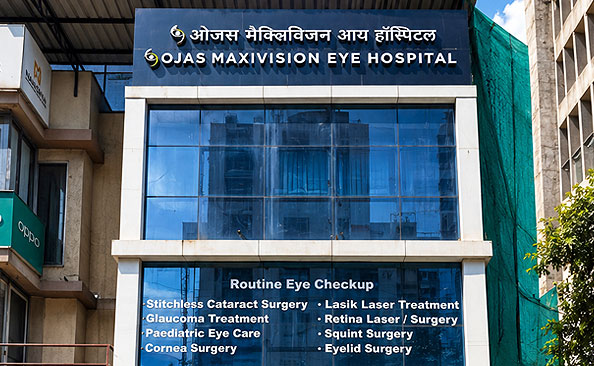
 Bandra
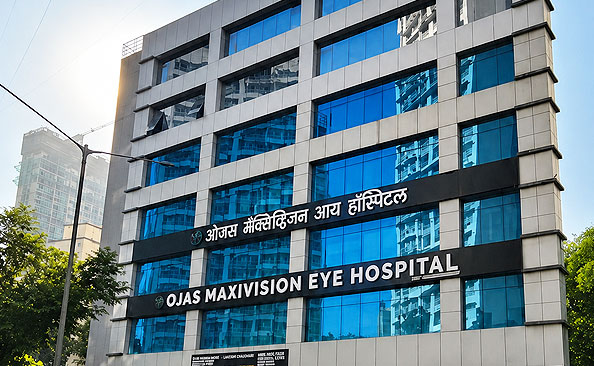 Kandivali
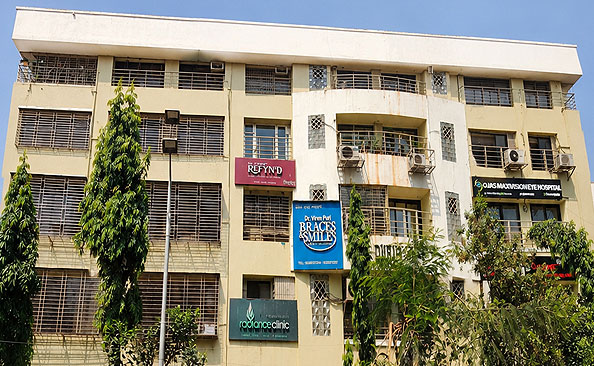 Juhu
Juhu
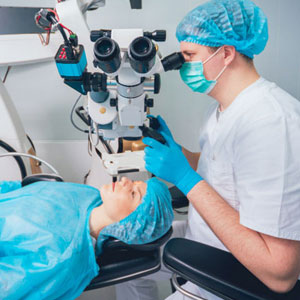
What Is Retina Treatment?
Retina treatment includes a range of medical and surgical procedures used to diagnose, manage and treat conditions affecting the retina, which is the light-sensitive layer located at the back of the eye. The retina plays an important role in vision by capturing light and sending visual signals to the brain, allowing us to see clearly.
When the retina becomes damaged due to disease, injury or age-related changes, it can lead to blurred vision, distorted vision or even permanent vision loss if left untreated. Retina treatment aims to protect retinal health, preserve vision and prevent further damage.
Retina treatment may help manage conditions such as - diabetic retinopathy, age-related macular degeneration (AMD), retinal detachment, retinal tears and holes, macular edema, retinal vein occlusion or vitreoretinal disorders.
The goal of retina treatment is to preserve eyesight, improve visual function whenever possible and reduce the risk of permanent vision loss through timely diagnosis and appropriate care.
How Does Retina Treatment Help Protect Vision?
The retina is a light-sensitive layer located at the back of the eye that plays a vital role in vision. When the retina becomes damaged due to disease, injury or age-related changes, vision can gradually or suddenly deteriorate. Retina treatment helps manage these conditions, preserve eyesight and reduce the risk of permanent vision loss.
Retina treatment may help:
- Preserve existing vision
- Slow disease progression
- Reduce retinal swelling
- Control abnormal blood vessel growth
- Repair retinal tears and detachments
- Improve visual clarity
- Reduce the risk of permanent blindness
- Support long-term retinal health
Getting the condition diagnosed and treated at the right time can help preserve eyesight and support better vision.
Why Is Retina Treatment Performed?
Retina treatment is performed to manage diseases and conditions that affect the retina and vision. Some retinal disorders develop gradually, while others may cause sudden vision loss and require urgent medical attention.
Retina treatment may be recommended if a patient:
- Has diabetic retinopathy
- Develops retinal tears or retinal detachment
- Experiences macular degeneration
- Has retinal vein occlusion
- Develops macular edema
- Notices sudden vision changes
- Experiences flashes or floaters
- Has retinal bleeding or vitreous hemorrhage
The treatment approach depends on the specific retinal condition and its severity.
Note: The main goal of retina treatment is to preserve vision and prevent further retinal damage. Some treatments may also help improve visual function.
Who Can Benefit from Retina Treatment?
People with various retinal diseases and vision-threatening retinal conditions may benefit from retina treatment. Early diagnosis and appropriate management can help preserve vision and improve long-term results.
Retina treatment may benefit:
- Patients with diabetic retinopathy
- Individuals with age-related macular degeneration
- Patients with retinal vein occlusion
- People with retinal tears or retinal detachment
- Individuals with macular edema
- Patients with vitreous hemorrhage
- People experiencing flashes and floaters
- Individuals with sudden vision loss
- Patients diagnosed with retinal disorders during routine eye examinations
A detailed retinal evaluation helps determine the most suitable treatment plan.

Who May Not Be Suitable for Certain Retina Treatments?
Not all retina treatments are suitable for every patient. The retina specialist carefully evaluates the overall eye condition, medical history and severity of retinal disease before recommending treatment.
Alternative approaches may be required for:
- Patients with active eye infections.
- Individuals with severe uncontrolled eye inflammation.
- Certain advanced eye conditions with limited visual potential.
- Patients with uncontrolled systemic medical conditions.
- Patients with severe corneal conditions affecting retinal examination.
The retina specialist will recommend the safest and most appropriate treatment based on individual needs.
What Symptoms May Indicate the Need for Retina Treatment?
Retinal diseases can affect vision gradually or appear suddenly, depending on the underlying condition. Because the retina is responsible for capturing light and sending visual signals to the brain, any damage to it can significantly impact eyesight. Early recognition of symptoms is important, as timely retina treatment may help prevent permanent vision loss and preserve visual function.
Common symptoms that may indicate the need for retina treatment include:
Sudden increase in floaters
Seeing new black spots, specks, threads or cobweb-like shapes drifting across your vision.
Flashes of light
Brief flashes or flickering lights, especially in your side vision, which may indicate a retinal tear or traction on the retina.
Blurred or reduced vision
Vision may become unclear, hazy or less sharp, making daily activities more difficult.
Distorted or wavy vision
Straight lines may appear bent, curved or uneven, which can occur in conditions affecting the macula.
Dark shadow or curtain over vision
A dark area moving across part of your visual field may be a sign of retinal detachment and requires urgent medical attention.
Loss of side (peripheral) vision
Reduced peripheral vision can occur due to retinal damage or detachment.
Blind spots in vision
Missing or dark areas in central vision may make reading, driving or recognizing faces difficult.
Difficulty seeing at night
Reduced ability to see clearly in dim lighting or low-light environments.
Sudden vision loss
Any rapid decrease in vision should be treated as a medical emergency and evaluated immediately.
If you notice any of these symptoms, it is important to visit an eye specialist immediately. Early diagnosis and timely retina treatment can help protect your vision and reduce complications.
What Tests Are Used to Diagnose Retinal Diseases and Retina Problems?
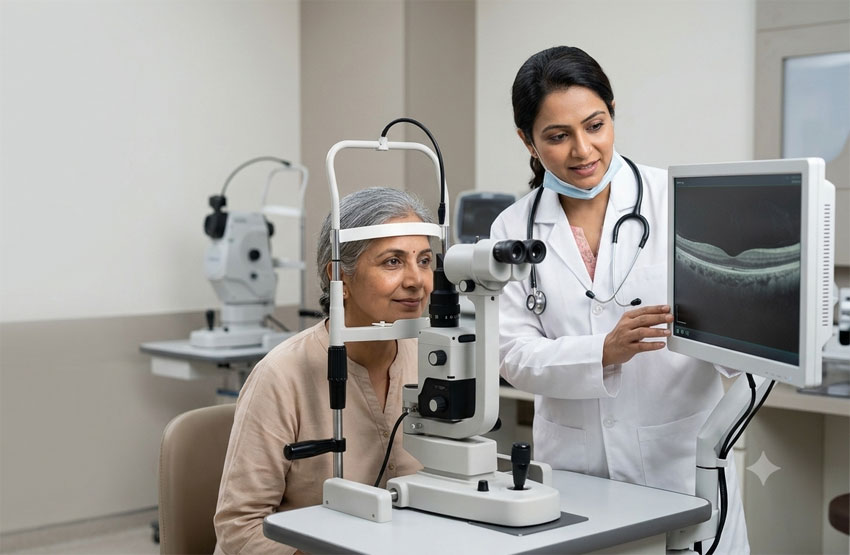
To diagnose retinal diseases accurately, your eye specialist may recommend several advanced retinal imaging and diagnostic tests. These tests help detect retinal damage, monitor disease progression, and guide the most effective retina treatment plan.
- Optical Coherence Tomography (OCT): OCT is a non-invasive imaging test that creates detailed cross-sectional images of the retina. It helps identify conditions such as macular degeneration, diabetic retinopathy, macular edema and retinal swelling with high precision.
- Fluorescein Angiography (FA): During this test, a special dye is injected into a vein in your arm. A series of photographs are then taken as the dye travels through the blood vessels in your retina. This helps detect leaking, blocked or abnormal retinal blood vessels.
- Indocyanine Green Angiography (ICGA): Similar to fluorescein angiography, this test uses a different dye to examine the deeper blood vessels beneath the retina (choroid). It is useful for diagnosing certain retinal and choroidal disorders.
- Ultra-Widefield Retinal Imaging: This advanced imaging technique captures a large view of the retina, including the peripheral areas, in a single image. It helps detect retinal tears, detachments, diabetic eye disease and other retinal abnormalities.
- B-Scan Ultrasound: If the retina cannot be clearly seen due to conditions such as cataracts, bleeding inside the eye, or cloudy media, a B-scan ultrasound uses sound waves to create images of the back of the eye and evaluate retinal health.
- Electrophysiology Tests: These specialized tests measure how the retina and visual system respond to light. They can help diagnose inherited retinal disorders, retinal degeneration, and other conditions affecting vision function.
- Intraoperative OCT: Used during retinal surgery, intraoperative OCT provides real-time, high-resolution images of retinal tissues, helping surgeons perform procedures with greater accuracy and safety.
Early and accurate diagnosis is essential for protecting vision. If you experience symptoms such as flashes of light, floaters, blurred vision or vision loss, a complete retinal examination can help identify the cause and determine the right treatment.
How Is Retina Treatment Performed?
The treatment process depends on the type and severity of the retinal condition. Some retinal diseases can be treated with medications or laser procedures, while others may require advanced retina surgery.
Step-by-step retina evaluation process:
- Complete eye examination
- Vision assessment
- Dilated retinal examination
- Optical Coherence Tomography (OCT) scan
- Fundus photography
- Fluorescein angiography when required
- Ultrasound scan for selected cases
- Personalized treatment planning
Depending on the condition, treatment may involve:
- Retinal laser treatment
- Intravitreal injections
- Pneumatic retinopexy
- Scleral buckle surgery
- Vitrectomy surgery
- Combined vitreoretinal procedures
Many retinal treatments are performed as day-care procedures, although some surgeries may require additional recovery and follow-up.
Can Retina Surgery Help Restore Vision?
Retina surgery is often performed to repair retinal damage, preserve vision and prevent further vision loss. The amount of vision improvement depends on the underlying retinal condition, how early treatment is performed and the extent of retinal damage before surgery.
Retina surgery may help:
- Reattach a detached retina
- Remove blood or scar tissue from the eye
- Repair macular holes
- Treat diabetic retinal complications
- Improve retinal stability
- Preserve remaining vision
While many patients experience visual improvement after surgery, some retinal diseases may cause permanent damage before treatment. Early diagnosis often provides the best chance of preserving vision.
What Are the Different Types of Retina Treatments and Surgeries?
Retina treatment includes a range of medical and surgical procedures used to manage diseases affecting the retina. The most suitable treatment depends on the type of retinal condition, its severity and how much vision has been affected.
Laser Retina Treatment (Photocoagulation)
What is it?
A specialized laser is used to create precise treatment spots on the retina.
What conditions does it treat?
- Retinal tears
- Diabetic retinopathy
- Leaking retinal blood vessels
How does it work?
The laser creates small scars that help seal retinal tears, reduce leakage and secure the retina to the underlying tissue, lowering the risk of retinal detachment.
Eye Injections (Intravitreal Injections)
What is it?
A medication is injected directly into the vitreous, the gel-like substance inside the eye.
What conditions does it treat?
- Age-related macular degeneration (AMD)
- Diabetic retinopathy
- Diabetic macular edema
- Retinal vein occlusion
How does it work?
These injections commonly contain anti-VEGF medicines that reduce abnormal blood vessel growth and leakage, helping to control retinal swelling and protect vision.
Cryotherapy (Retinal Freezing Treatment)
What is it?
A freezing probe is applied to the outer surface of the eye near the affected retinal area.
What conditions does it treat?
- Retinal tears
- Certain retinal detachments
How does it work?
The controlled freezing creates scar tissue that seals retinal breaks and helps keep the retina attached in its proper position.
Pneumatic Retinopexy
What is it?
A small gas bubble is injected into the eye during an office-based procedure.
What conditions does it treat?
- Selected cases of retinal detachment
How does it work?
The gas bubble gently pushes the detached retina back against the eye wall. A laser or cryotherapy treatment is then used to permanently seal the retinal tear.
Scleral Buckling Surgery
What is it?
A silicone band is placed around the eye to support the retina and help reattach it.
What conditions does it treat?
- Retinal detachment
How does it work?
The band relieves traction on the retina and supports the eye wall, helping the detached retina reattach and heal properly.
Vitrectomy Surgery
What is it?
A surgical procedure that removes the vitreous gel from inside the eye.
What conditions does it treat?
- Complex retinal detachments
- Macular holes
- Vitreous hemorrhage (bleeding inside the eye)
- Epiretinal membranes
How does it work?
After removing the vitreous gel, the surgeon may place a gas bubble or silicone oil inside the eye to support the retina while it heals.
Advanced Retina Surgery for Complex Retinal Conditions
Advanced vitreoretinal surgery may be recommended for severe retinal diseases that cannot be treated with injections or laser therapy alone.
Conditions treated may include:
- Complex retinal detachment
- Tractional retinal detachment
- Diabetic retinal complications
- Macular hole
- Epiretinal membrane
The retina specialist will recommend the most appropriate treatment based on the retinal condition, severity of disease and overall eye health.
What Are the Benefits of Retinal Surgery?
Retinal surgery can help protect and improve vision in people with various retinal conditions. Its benefits include:
- Helps restore or preserve vision: Retinal surgery can improve vision in some patients and prevent further vision loss in others, depending on the condition being treated.
- Reduces the risk of blindness: Serious retinal disorders, such as retinal detachment and diabetic retinopathy, can lead to permanent vision loss if left untreated. Surgery can help prevent these complications.
- Minimally invasive treatment: Many modern retinal procedures use advanced techniques that require only small incisions, resulting in less discomfort and faster recovery.
- Improves quality of life: Better vision can make everyday activities such as reading, driving, working, and recognizing faces easier and more comfortable.

What Are the Risks Involved in Retinal Surgery?
Retinal surgery is generally safe and effective when performed by an experienced retina specialist. However, like any surgical procedure, it carries some potential risks and complications. These may include:
- Infection: Although very rare, an infection inside the eye can occur after surgery and may affect vision if not treated promptly.
- Bleeding: Some patients may experience bleeding during or after surgery, which can occasionally impact visual recovery.
- Retinal re-detachment: In certain cases, the retina may detach again after surgery and require additional treatment or surgery.
- Cataract formation: Procedures such as vitrectomy can increase the risk of cataract development, particularly in older adults.
- Vision changes: Temporary blurred vision, floaters or visual distortion may occur during the healing process. In some cases, certain visual changes may persist.
Your retina specialist will discuss the benefits and risks of surgery and recommend the most appropriate treatment for you.
How Is Retinal Surgery Performed?
The exact steps involved in retinal surgery depend on the type of retinal condition being treated and the procedure recommended by the retina specialist.
- Preparation: Before surgery, a detailed eye examination is performed to assess the retina. Imaging tests such as optical coherence tomography (OCT) or retinal scans may be used to determine the extent of retinal damage. Local or general anesthesia may be given to ensure the patient remains comfortable during the procedure.
- Procedure: During the surgery, the surgeon may use different techniques depending on the condition being treated. These may include removing the vitreous gel (vitrectomy), sealing retinal tears with laser treatment, placing a gas bubble inside the eye to repair a retinal detachment, or using other specialized surgical methods. The procedure may take anywhere from 30 minutes to several hours, depending on its complexity.
- Recovery: After surgery, patients are given specific instructions to support healing and achieve the best possible outcome. In some cases, special positioning, such as keeping the head face-down for a period of time, may be required. Regular follow-up visits are important to monitor recovery and retinal healing.
What Are the Dos and Don'ts After Retinal Surgery?
Following your doctor's instructions after retinal surgery is important for proper healing and reducing the risk of complications. Here are some important precautions to keep in mind during recovery:
Do’s
- Use your prescribed eye drops and medications exactly as directed by your doctor.
- Wear sunglasses outdoors to protect your eyes from bright sunlight, dust and wind.
- Give your eyes adequate rest and limit activities that may cause eye strain, including prolonged screen time.
- Follow any special positioning instructions, such as keeping your head in a specific position if advised by your surgeon.
- Attend all follow-up appointments so your retina specialist can monitor your healing progress.
Don’ts
- Avoid heavy lifting, strenuous exercise, and activities that increase pressure inside the eye until your doctor approves.
- Do not drive or return to work until your doctor confirms it is safe to do so.
- Avoid swimming pools, hot tubs, and contact sports until your eye has healed completely.
- Do not rub or touch your eyes, especially with unwashed hands.
- Avoid skipping medications or follow-up visits, as they are essential for a successful recovery.
Carefully following these recovery guidelines can help promote healing, protect your vision and improve the overall result of retinal surgery.
Book Your Appointment for Retina Treatment in Mumbai at Ojas Maxivision Eye Hospital
If you are experiencing flashes of light, floaters, blurred vision, distorted vision or sudden changes in eyesight, it is important to seek timely retinal examination. Early diagnosis and treatment can help prevent further retinal damage and reduce the risk of permanent vision loss.
At Ojas Maxivision Eye Hospital, our experienced retina specialists provide complete retinal examinations, advanced diagnostic imaging and personalized treatment plans for a wide range of retinal conditions. From retinal laser treatment and intravitreal injections to advanced vitreoretinal surgery, we offer modern treatment options to help preserve and protect your vision.
If you are looking for an eye hospital in Mumbai or seeking expert retina surgery in Mumbai, our team is committed to delivering specialized retinal care with the best possible visual results.
Frequently Asked Questions About Retina Treatment and Retina Surgery
Yes, many retinal diseases can be treated without surgery, especially when diagnosed early. Treatment options may include retinal laser therapy, intravitreal eye injections and medications to reduce swelling or control abnormal blood vessel growth. The best treatment depends on the specific retinal condition and its severity.
Retinal surgery is generally considered safe and effective when performed by an experienced retina specialist. Like any surgical procedure, it carries some risks, including infection, bleeding, cataract formation or retinal re-detachment. Your doctor will carefully evaluate your condition and discuss the benefits and risks before recommending surgery.
You should see a retina specialist immediately if you experience sudden flashes of light, an increase in floaters, blurred vision, distorted vision, loss of side vision, or a curtain-like shadow over your sight. Prompt diagnosis and treatment can help prevent serious complications and permanent vision loss.
Retina treatment aims to preserve vision, prevent further retinal damage and improve visual function whenever possible. While many patients experience better vision after treatment, the results depend on the type of retinal disease, its severity and how early treatment is started.
Recovery after retinal surgery varies depending on the type of procedure performed and the severity of the retinal condition. Many patients notice gradual improvement over several weeks, although complete healing may take longer in some cases. Regular follow-up visits and following your doctor's post-operative instructions are important for ensuring proper retinal healing and achieving the best possible visual result.
The cost of retina treatment in Mumbai depends on several factors, including the type of retinal condition, severity of the disease, diagnostic tests required and the treatment recommended. Costs may vary for retinal laser treatment, intravitreal injections or retina surgery. A detailed consultation and retinal evaluation help determine the most suitable treatment plan and provide an accurate cost estimate. Please contact us by phone or email to schedule an appointment.
Yes, Ojas Maxivision Eye Hospital provides cashless insurance facilities for a wide range of eye treatments through approved insurance companies and empanelled organizations. The hospital is affiliated with various government and corporate health schemes, including CGHS, RBI, NABARD and BSNL. Patients are encouraged to contact the hospital before treatment to verify insurance coverage, eligibility criteria and any required pre-authorizations.
Ojas Maxivision Eye Hospital has multiple centres across Mumbai, Maharashtra, including Bandra (West), Kandivali (East) and Juhu. The hospital provides complete eye care services, advanced retinal diagnostics, retina treatment, retinal laser procedures, intravitreal injections and specialized retina surgery performed by experienced retina specialists in Mumbai.