 Bandra
 Kandivali
 Juhu
Juhu
What Are Cataracts?
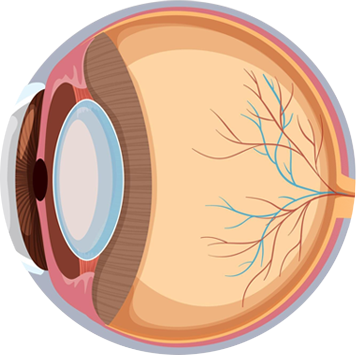
A cataract is a condition in which the eye’s natural lens becomes cloudy instead of clear. This happens when proteins in the lens start to break down and clump together, blocking light from passing properly to the retina and leading to blurred or dim vision.
Cataracts usually develop slowly and may not cause noticeable symptoms in the early stages. However, as the clouding increases, it can begin to affect daily activities like reading, driving or recognizing faces.
They are most commonly related to aging due to natural changes in lens proteins. However, cataracts can also develop due to eye injury, medical conditions like diabetes, long-term use of certain medications (such as steroids) or even be present from birth in some cases.
With time, the condition gradually worsens, making early diagnosis and timely treatment important for maintaining clear vision.
What Are the Cataract Symptoms You Should Not Ignore?
You may not notice symptoms in the early stage, but as cataracts develop, they start affecting your vision. Symptoms can vary depending on the stage and type of cataract. Common cataract symptoms include:
- Blurred or cloudy vision (near or distance): Things may look foggy or unclear, whether for near or far objects.
- Glare and halos around lights: Bright lights may cause glare and rings (halos) may appear around them, making it harder to see.
- Light sensitivity: Bright lights can feel uncomfortable.
- Poor night vision: Difficulty seeing in low light or at night.
- Reduced contrast: Trouble telling objects apart from the background
- Faded colors: Colors may look dull, yellowish or less clear
- Double vision in one eye: You may see two or many images in one eye
- Changing vision number: Frequent changes in glasses, such as increasing nearsightedness or changes in refractive error.
If you notice any of these symptoms, consult your eye doctor, as they may also indicate other eye conditions.
When Should You See an Eye Specialist for Cataracts?
Knowing when to see an eye specialist is important for early diagnosis and timely treatment of cataracts. Ignoring symptoms can delay care and affect your vision and overall eye health.
- Visit an eye doctor if you notice any change in your vision.
- Do not ignore sudden symptoms like:
- Double vision
- Sudden eye pain
- Severe headache
- Painless loss of vision
- Seek immediate medical help if these symptoms appear suddenly.
Early consultation helps protect your vision and ensures the right treatment at the right time.
What Causes Cataracts?
Cataracts can develop due to several factors, but aging is the most common cause. Other common causes include:
- Aging: Over time, natural changes in the eye’s lens cause proteins to break down and clump together, making the lens cloudy, affecting vision and leading to cataract formation.
- Eye injury: Trauma to the eye can cause cataracts immediately or even years later.
- UV exposure: Long-term exposure to sunlight without protection can damage the lens.
- Smoking and alcohol: These habits can damage eye tissues and increase the risk.
- Medical conditions: Diseases like diabetes can speed up cataract development.
- Steroid use: Prolonged use of corticosteroid medicines may lead to cataracts.
- Congenital: system infection during pregnancy can increase the risk of cataract in infants.
In many cases, cataracts develop due to a combination of these factors, making regular eye check-ups important for early detection.
What Are the Risk Factors for Cataract?
The chances of developing cataracts increase due to several factors, with aging being the most important. As the lens naturally changes over time, the risk gradually rises. Common risk factors include:
- Aging: Aging is the most common cause of cataracts.
- Genetics: A family history of cataracts can increase your chances.
- UV exposure: Long-term exposure to sunlight without protection can damage the lens.
- Medical conditions: Diabetes is a major risk factor affecting eye health.
- Smoking: Harmful chemicals from smoking can affect the eyes.
- Alcohol use: Excessive alcohol intake may contribute to cataract formation.
- Obesity: Being overweight increases the risk of cataracts.
These factors can act together, so maintaining a healthy lifestyle and visiting your eye specialist for regular eye check-ups can help in early detection and management.
Did you know?
- Cataracts usually develop with age and are common in older adults, but they can also occur in younger people.
- Cataracts do not spread from one eye to the other, but they often develop in one or both eyes.
- Simple habits like wearing UV sunglasses and managing diabetes can help slow cataract progression but cannot prevent it.
- There are no medicines or drops to cure cataracts - surgery is the only effective treatment.
- Modern cataract surgery is quick, safe and done as a day-care procedure.
What Are the Different Types of Cataract?
Cataracts can take many forms, each affecting vision in unique ways. Understanding the type helps eye specialists plan the best treatment. Different types of cataracts affect different parts of the lens:
Nuclear Cataract
It forms in the center of the lens, common with aging, causing blurry distance vision.
Cortical Cataract
It develops at the lens edges, creating glare and halos, affecting night vision.
Posterior Subcapsular Cataract
It appears at the back of the lens and progresses quickly and is often linked to diabetes or steroid use.
Congenital cataract
It is present at birth or forms during a baby’s first year. They are less common than age-related cataracts.
Traumatic Cataract
It results from eye injury and can appear immediately after the trauma or years later, thus reducing lens clarity.
Secondary cataract
They occur due to other health conditions (like diabetes) or long-term medication use (like steroids).
Age-Related Cataract
This is the most common form of cataract, developing gradually as part of the natural aging process. Over time, the proteins in the eye’s lens begin to break down and clump together, causing cloudiness that slowly blurs vision. It usually affects older adults.
Radiation Cataracts
It develop when the eye’s lens is exposed to radiation during cancer treatment, causing protein damage that gradually clouds the lens and blurs vision over time.
Pediatric Cataracts
Children can have cataracts from birth (congenital) or develop them later due to genetics, illness, injury or medications. Advance cataracts need prompt treatment to prevent vision problems, while mild ones may just be monitored.
Each type varies in how quickly it progresses, its appearance and how it affects daily vision, making an ophthalmologist’s diagnosis essential.
How Is Cataract Diagnosed?
Cataracts are diagnosed through a detailed eye examination performed by an eye specialist. This includes both basic and advanced tests to assess vision and examine the eye closely.
- Visual acuity test: Measures how clearly you can see at different distances using an eye chart.
- Slit-lamp examination: Uses a special microscope and bright light to examine the lens, cornea and iris in detail and detect cataract changes.
- Dilated retinal exam: Eye drops are used to dilate the pupil so the doctor can clearly view the retina, optic nerve and the extent of lens clouding.
- Refraction test: Checks if a change in glasses prescription can improve vision.
- Eye pressure test (tonometry): Measures pressure inside the eye to rule out conditions like glaucoma.
- Biometry tests: Measure the size and shape of the eye to help select the correct intraocular lens (IOL) for surgery.
Your eye doctor may also review your symptoms and medical history. These tests help determine the severity of the cataract and decide the best treatment plan.
What Are the Available Cataract Treatment Options?
There are no medicines, eye drops or lifestyle changes that can reverse cataracts. Surgery is the only effective treatment. Cataract treatment mainly involves removing the cloudy lens and replacing it with a clear artificial lens called an intraocular lens (IOL). Common treatment options include:
Extracapsular Cataract Extraction (ECCE)
A traditional method used for very dense cataracts with a larger incision
Phacoemulsification
A modern, small-incision surgery where ultrasound breaks the cloudy lens, which is then replaced with an IOL
Laser-assisted cataract surgery (FLACS)
Uses a computer-guided laser for more precise and accurate treatment
Early consultation helps plan the right time for surgery and achieve the best results. And your doctor will recommend the best surgical option based on your eye condition and needs.
What Is Advanced Cataract Surgery, How Does It Work and What Are Its Benefits?
Advanced cataract surgery uses modern procedures like femtosecond lasers and detailed eye imaging to perform the procedure with high precision. It helps make the surgery safer, more accurate and supports faster recovery compared to traditional methods.
How it works:
- 3D eye mapping: A detailed scan of the eye helps plan the surgery precisely
- Laser-assisted steps: A computer-guided laser makes accurate incisions and opens the lens capsule
- Lens softening: The laser softens the cataract, making it easier and gentler to remove
- Lens replacement: The cloudy lens is removed and replaced with an artificial lens (IOL), usually without stitches
Key benefits:
- Minimally invasive procedure
- Better precision and more safe
- Less discomfort and high success rate
- Performed as a day-care surgery
- Advanced IOL options can reduce the need for glasses for near, intermediate and distance vision
- Faster recovery and early vision improvement
The procedure is quick (about 15 to 30 minutes), done under local anesthesia and usually allows you to go home the same day.
What Are the Different Types of Cataract Surgery Available?
Cataract surgery mainly involves removing the cloudy lens and replacing it with a clear artificial lens (IOL). The type of surgery depends on the condition of the eye and the severity of the cataract. Common surgical methods:
Extracapsular Cataract Extraction (ECCE)
It is an older technique with a larger cut and stitches, usually done for very mature cataracts.
- Traditional method used in advanced or dense cataracts
- Larger incision (10 - 12 mm) is made
- Cloudy lens is removed in one piece
- Non-foldable lens is implanted
- Requires stitches and slightly longer recovery time
Phacoemulsification (Micro-Incision Cataract Surgery)
It is the most commonly used method. A tiny cut is made and ultrasound waves break the cataract, which is then removed easily.
- Latest and most commonly used technique
- Very small incision (micro-incision)
- Cataract is broken using ultrasound and gently removed
- Foldable intraocular lens (IOL) is placed
- No stitches required in most cases
- Faster healing and quick vision recovery
- Less discomfort and early return to daily activities
Laser-Assisted Cataract Surgery
This procedure uses a computer-guided laser for very precise steps, making the procedure more accurate and gentler.
- Uses advanced laser technology for high precision
- Better accuracy during key steps of surgery
- Improved safety and control
- Suitable for selected patients based on eye condition
All procedures are safe and effective. Your doctor will recommend the most suitable option for you based on your eye condition and lifestyle needs.
What Are the Different Types of Intraocular Lenses (IOLs)?
An intraocular lens (IOL) is an artificial lens placed in the eye to replace the cloudy natural lens during cataract surgery.
Common Types of IOLs:
- Monofocal IOL: gives clear vision at far distance only.
- Multifocal IOL: Helps see both near and far, reducing the need for glasses.
- EDOF IOL: These lenses create one extended focus instead of multiple points, providing smooth vision from intermediate to far distances with fewer side effects like halos than multifocal lenses.
- Trifocal IOL: These lenses are designed to focus feature at multiple zones like - near, intermediate and distance, helping in reading and computer work without glasses.
Special Types:
- Toric IOL: It is specifically designed to corrects astigmatism along with cataract, reducing the requirement for glasses to see clearly at a distance.
- Accommodative IOL: These lenses are designed to move or flex inside the eye, helping mimic the natural lens and allowing focus at different distances.
- Light Adjustable Lens (LAL): It is an advanced option that lets the eye specialist adjust the lens power after healing using special UV light, ensuring more accurate and personalized vision results.
For the best results, it is important to consult an eye specialist who can guide you on the most suitable option.
Key points to know:
- Most modern surgeries have quick recovery, and vision often improves within 1 to 2 days.
- The choice of surgery and lens depends on your eye condition and lifestyle needs.
- Cataract surgery is very safe, but like any surgery, small risks like infection or inflammation can occur.
When Should I Get Cataract Surgery?
Cataract surgery is usually advised when blurred vision begins to affect your daily activities like reading, driving or watching TV and glasses no longer help. The decision mainly depends on how much your vision is impacting your comfort, safety and independence.
Signs you may need surgery:
- Difficulty with daily tasks like reading, cooking or watching TV
- Problems while driving, especially at night due to glare or halos
How to Prepare Before Cataract Surgery?
- Eye measurements are done a few days before to choose the right lens (IOL)
- Complete medical review is done, you need to share details of your medicines and some may need to be stopped.
- Avoid eating or drinking for about 10 to 12 hours before surgery.
- Use prescribed antibiotic eye drops as advised.
- Have someone to take you home after the procedure
What Happens During Cataract Surgery?
- Wear comfortable clothes and avoid makeup, creams or perfumes.
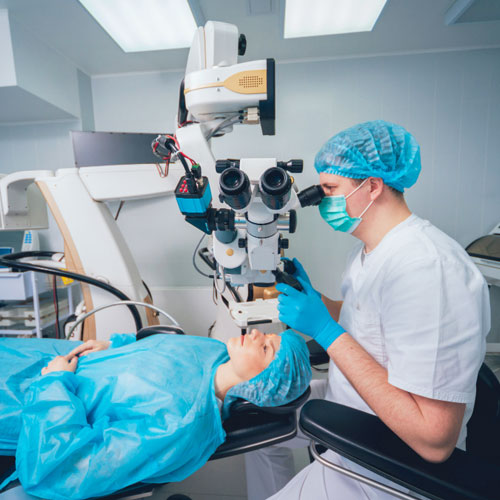
- The procedure is quick (about 15 to 30 minutes) and done under local anesthesia.
- You can go home the same day.
How to Care After Cataract Surgery?
Proper care after surgery ensures faster healing:
- Wear a protective eye shield, especially while sleeping
- Avoid touching or rubbing your eyes
- Avoid heavy lifting, bending or straining for a few days
- Keep water, soap or shampoo away from the eyes
- Maintain hygiene around the eye
- Avoid dusty environments for a few days
- Follow all medications and care instructions given by your doctor
- Avoid sleeping on the operated side for a few days
- Report any pain, redness or vision changes immediately
- Attend follow-up visits
Planning ahead and following these steps helps in faster recovery and better results after surgery.
Will You Need Glasses After Cataract Surgery?
Even after cataract surgery, many people still need glasses for close-up tasks like reading or detailed work, though distance vision (like driving or watching TV) often improves significantly. The need for glasses depends on the type of intraocular lens (IOL) used and your vision goals.
- Monofocal lenses may require glasses for reading or distance
- Multifocal lenses reduce dependency on glasses
- Minor power may still need correction
Your dependence on glasses ultimately depends on your lifestyle needs and the type of lens chosen.
What Are the Possible Side Effects and Risks of Cataract Surgery?
Cataract surgery is very safe, but like any surgery, it may have some risks:
- Infection
- Inflammation
- Increased eye pressure
- Temporary blurred vision
- Rare complications like retinal detachment or lens displacement
These are uncommon and can be managed with timely care.
Contact Your Doctor Immediately If:
- Severe eye pain occurs.
- New or sudden floaters/flashes appear.
- Vision suddenly worsens or is severely blurry.
- A shadow or curtain covers part of your vision.
- Persistent, severe redness develops.
How to Reduce Risks:
- Use prescribed drops as directed.
- Avoid rubbing your eyes.
- Limit heavy lifting, bending or strenuous activity for 1to 2 weeks.
- Maintaining hygiene, hand washing before and after putting eye drop.
- Wear protective eye shields while sleeping.
- Attend all follow-up appointments.
How Long Does It Take to Recover After Cataract Surgery?
Most patients notice improvement in vision within a few hours to days. However, complete healing may take a few weeks. Following your doctor’s advice is important to avoid complications.
What Questions Should You Ask Your Eye Specialist?
You can ask your doctor these simple questions:
- Do I have cataracts?
- Are both eyes affected?
- How serious is my condition?
- What type of cataract do I have?
- What are the risks in my case?
- When will I need surgery?
- Which lens (IOL) is best for me?
- How can I improve my vision for now?
- Am I the right candidate for cataract surgery?
- Are there any lifestyle changes I should follow?
Can I Prevent Cataracts?
You cannot fully prevent age-related cataracts, but you can lower your risk and slow their progression with healthy habits. Key ways to prevent cataracts:
- Healthy diet: Eat antioxidant-rich foods.
- Quit smoking and limit alcohol
- Manage conditions like diabetes
- Get regular eye check-ups
- Protect from UV: Wear UV-blocking sunglasses and a hat.
- Use steroids only as prescribed
While these steps delay cataracts, surgery remains the only effective treatment once vision is seriously affected.
Book Your Cataract Consultation at Ojas Maxivision Eye Hospital
For those looking for a cataract eye hospital in Mumbai, Ojas Maxivision Eye Hospital offers advanced, personalized care for each and every patient. Our experienced eye surgeons ensure safe procedures and reliable results, making us a trusted choice for cataract treatment in Mumbai.
If you are experiencing any vision problems, don’t delay. Early consultation leads to better treatment and improved results.
Frequently Asked Questions About Cataracts
Early signs of cataracts include blurred or cloudy vision, glare or halos around lights, difficulty seeing at night, frequent changes in eyeglass prescriptions, double vision in a single eye and faded colors.
No, cataracts do not go away naturally. Lifestyle changes like a healthy diet, UV protection, and quitting smoking may slow their progression, but they cannot remove the cloudy lens proteins. The condition gradually worsens over time and surgery is the only effective permanent treatment.
If left untreated, cataracts slowly worsen and can significantly reduce your vision. In advanced stages, cataracts become harder to treat as the lens turns denser and cloudier, making surgery riskier. If left untreated, they can also lead to glaucoma and permanent vision loss.
Yes, cataract surgery is very safe and is one of the most commonly performed eye procedures worldwide, with a high success rate. It is a quick, mostly painless procedure done without hospital stay and it greatly improves vision and quality of life.
Cataract surgery is quick and usually takes about 15 to 30 minutes per eye. However, you may need to stay at the clinic for around 1 to 3 hours, including preparation and recovery time.
No, cataract surgery is usually not painful. It is done under local anesthesia, so you remain comfortable during the procedure. Most people feel no pain, though some may notice slight pressure or mild discomfort, such as dryness or a gritty feeling after the procedure.
Cataract surgery is advised when blurred vision starts affecting daily activities like reading, driving or watching TV and cannot be improved with glasses. It depends on how much your vision is impacting your safety and independence.
Yes, cataracts can develop in both eyes, although one eye may be affected earlier than the other. They don’t spread from one eye to the other, but commonly develop in both due to aging or health conditions.
Recovery from cataract surgery usually takes about 4 to 6 weeks for full healing, but most people see better within a few days. Mild blurriness or discomfort often settles in 1 to 2 days and normal activities can be resumed soon after.
Cataracts cannot be completely prevented, especially those related to aging. However, their progression can often be slowed by protecting your eyes from UV rays, maintaining a healthy diet rich in antioxidants, avoiding smoking, managing conditions like diabetes and getting regular eye check-ups for early detection.
After cataract surgery, many people still need glasses for reading or fine work, but their need for distance glasses is usually reduced. It depends on the lens used and your vision needs.
An IOL (Intraocular Lens) is a permanent artificial lens placed inside the eye during cataract surgery to replace the natural lens. It helps focus light properly on the retina and corrects vision problems like nearsightedness, farsightedness, astigmatism and age-related near vision issues.
Laser cataract surgery (FLACS or Femtosecond-Laser-Assisted Cataract Surgery) is more precise and advanced than traditional surgery. It allows better accuracy in incisions and lens placement and can lead to faster recovery and improved results, especially with premium lenses or astigmatism correction.
No, cataracts do not come back after surgery because the natural lens is replaced with an artificial one (IOL). However, some people may develop a “secondary cataract” (PCO or Posterior Capsule Opacification), where a thin layer behind the lens becomes cloudy. This is common, treatable and can happen months or years later.
Yes, young people can also get cataracts, though they are more common in older adults. In people under 40, they may occur due to genetics, eye injury, long-term steroid use, diabetes or may be present since birth.
No, hospitalization is usually not needed after cataract surgery. It is a day-care procedure, so you can go home within a few hours.
You should not drive right after cataract surgery, especially in the first 24 to 48 hours, due to blurry vision and light sensitivity. Most people can start driving again in 1 to 3 days after a vision check and doctor’s approval.
Cataract surgery is very safe and successful, but rare risks include infection, retinal detachment, swelling, inflammation or lens movement. The most common issue is a “secondary cataract” (PCO or Posterior Capsule Opacification), which can cause cloudy vision later and is easily treated with a simple laser procedure.
Choosing the right IOL depends on your lifestyle, budget, and vision needs. Standard lenses give clear distance vision but may need reading glasses, while premium lenses can reduce dependence on glasses. The choice depends on whether you prefer sharp distance vision or less need for glasses.
The cost of cataract surgery varies depending on the type of intraocular lens (IOL) selected, the procedure used and the expertise of the surgeon. Advanced lenses like multifocal or toric IOLs may increase the overall cost. For a personalized estimate based on your eye condition and visual needs, please contact us by phone or email to book a consultation.
Yes, Ojas Maxivision Eye Hospital offers cashless eye treatment in Mumbai for select treatments and is empaneled with CGHS, RBI, NABARD and BSNL. To learn more about the cashless insurance services, we provide, please contact us.
Ojas Maxivision Eye Hospital is located in Bandra (West), Kandivali (East) and Juhu, making it convenient for patients across Mumbai, Maharashtra.
Key facts About Cataract
- A cataract is when the eye’s natural lens becomes cloudy instead of clear.
- The lens helps focus light, so clouding causes blurred or dim vision.
- It usually happens with aging and is very common after 60 years.
- It can also occur in younger people or even from birth.
- Common signs include blurry vision, glare or halos around lights, need for brighter light while reading and faded or dull colors.
- These symptoms may look like other eye problems, so a proper check-up is important.
- Cataract surgery is safe and helps restore clear vision effectively.