


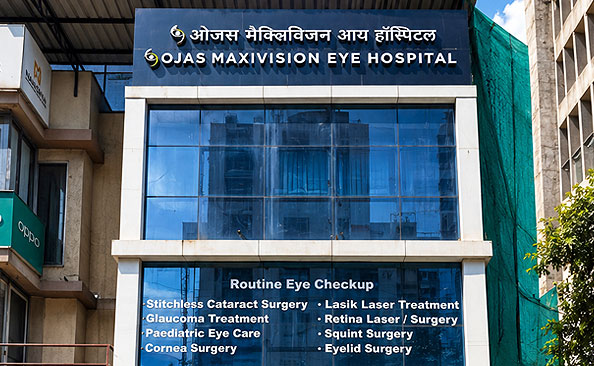
 Bandra
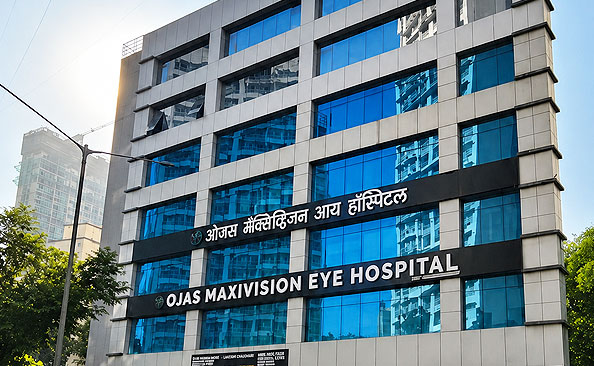 Kandivali
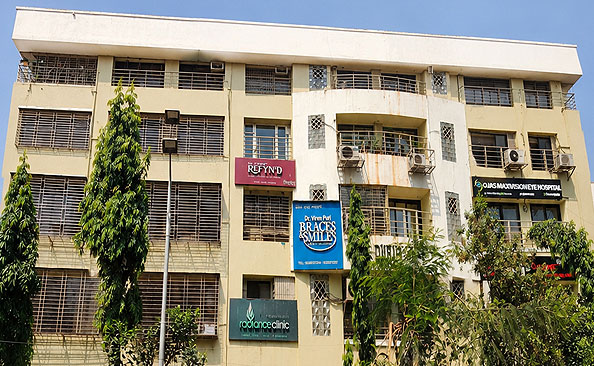 Juhu
Juhu
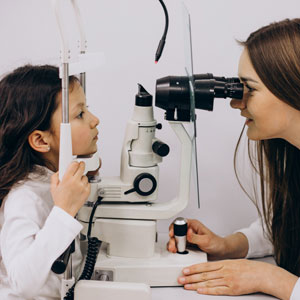
What Is Pediatric Ophthalmology?
Pediatric ophthalmology is a specialized branch of eye care that focuses on diagnosing, treating and managing eye conditions in children from birth to adolescence.
Children often cannot explain vision problems clearly. Many eye conditions may go unnoticed unless properly examined by a trained Pediatric ophthalmologist. Early detection is important because untreated eye problems during childhood can affect vision permanently.
Pediatric ophthalmology helps in:
- Monitoring healthy visual development.
- Detecting vision problems at an early stage.
- Preventing long-term vision loss.
- Improving eye coordination and focusing ability.
- Supporting learning and academic performance.
Your child’s vision plays a major role in learning, growth, confidence, and overall development.
Early eye care can help detect problems before they affect your child’s future.
At Ojas Maxivision Eye Hospital in Mumbai, we provide complete Pediatric ophthalmology care for infants, children and teenagers in a safe, child-friendly environment. Our specialists focus on early diagnosis, advanced treatment and expert care to help children achieve healthy visual development.
From routine eye check-ups to the treatment of complex childhood eye disorders, our experienced team offers personalized care using modern diagnostic and surgical procedures.
Things to consider:
- Early eye check-ups help detect vision problems on time.
- Children may not always complain about poor eyesight.
- Delayed treatment can affect long-term visual development.
- Timely care helps support healthy vision and learning.
What Are the Common Pediatric Ophthalmology Problems in Children?
Children can develop several eye conditions that may affect their vision, eye alignment, eye coordination or overall visual development. Some eye problems may be present from birth, while others may develop during childhood. Since children often cannot explain vision difficulties clearly, many conditions may go unnoticed without a proper eye examination.
Early diagnosis and timely treatment by a Pediatric ophthalmologist are important to protect a child’s eyesight and prevent long-term vision problems that may affect learning, growth, confidence and daily activities.
Some of the most common childhood eye problems include:
Refractive Errors
These are among the most common eye problems seen in children and affect the ability to see clearly. They occur when light does not focus properly on the retina due to the shape of the eye.
Types of refractive errors include:
- Myopia (Nearsightedness): Difficulty seeing distant objects clearly
- Hyperopia (Farsightedness): Difficulty focusing on nearby objects
- Astigmatism: Blurred or distorted vision caused by an irregular corneal shape
Children with refractive errors may:
- Squint frequently
- Sit very close to the TV or mobile screens
- Hold books too close while reading
- Experience headaches or eye strain
- Have difficulty concentrating in school
Early correction with glasses, contact lenses or myopia management procedures can help improve vision and support healthy visual development.
Amblyopia (Lazy Eye)
Amblyopia develops when one eye has weaker vision than the other because the brain starts relying more on the stronger eye. This condition commonly occurs due to untreated refractive errors or squint.
If not treated early, the weaker eye may not develop normal vision permanently. Treatment may include:
- Prescription glasses
- Eye patching therapy
- Atropine eye drops
- Vision therapy exercises
Early treatment gives the best visual results in children.
Strabismus (Squint/Crossed Eyes)
Strabismus is a condition where the eyes do not align properly and may turn inward, outward, upward or downward. Misaligned eyes can affect binocular vision, depth perception and eye coordination.
Children with squint may:
- Tilt their head while focusing
- Close one eye in bright light
- Experience poor depth perception
- Develop lazy eye if untreated
Treatment options may include glasses, eye exercises, prism lenses, Botox injections or squint correction surgery depending on the severity.
Binocular Vision Problems
Binocular vision allows both eyes to work together to form a single clear image. Problems with binocular vision can lead to:
- Eye strain
- Double vision
- Difficulty reading
- Poor concentration
- Headaches
Early treatment can improve eye coordination, reading ability and visual comfort.
Chalazion and Stye
These are small swollen bumps that develop on the eyelids due to blocked oil glands or infection.
Symptoms may include:
- Eyelid swelling
- Redness
- Mild pain or tenderness
- Irritation in the eye
Most cases improve with warm compresses and medication, though some may require minor procedures.
Conjunctivitis (Pink Eye)
Conjunctivitis is a common eye infection or allergy that causes redness and irritation in the eyes.
Children may experience:
- Red or watery eyes
- Itching or burning sensation
- Sticky discharge
- Swollen eyelids
It may occur due to bacterial infections, viral infections or allergies and usually responds well to timely treatment.
Pediatric Cataract
Pediatric cataracts occur when the natural lens of the eye becomes cloudy. Some children are born with cataracts, while others may develop them later in childhood.
Symptoms may include:
- White reflex in the pupil
- Poor visual response
- Eye shaking movements
- Difficulty focusing
If left untreated, pediatric cataracts can interfere with visual development and may lead to permanent vision loss. Early diagnosis and surgery are often necessary for healthy vision development.
Pediatric Glaucoma
Pediatric glaucoma is a rare but serious eye condition where increased pressure inside the eye damages the optic nerve.
Symptoms may include:
- Excessive tearing
- Sensitivity to light
- Enlarged eyes
- Cloudy cornea
Without proper treatment, glaucoma can lead to permanent vision loss. Treatment may involve medications or surgery to control eye pressure.
Ptosis (Drooping Eyelid)
Ptosis refers to a drooping upper eyelid that may partially or completely block the child’s vision.
Severe ptosis may:
- Affect visual development
- Cause lazy eye
- Lead to abnormal head posture
Some children may require surgery to improve vision and eyelid function.
Blocked Tear Ducts
Blocked tear ducts are common in newborn babies and may cause:
- Constant watering from the eyes
- Sticky discharge
- Crusting around the eyelids
Many cases improve naturally as the child grows, while persistent blockage may require massage, medication, or a minor procedure.
Retinopathy of Prematurity (ROP)
ROP is a retinal condition seen in premature babies, where abnormal blood vessels develop in the retina.
Severe ROP can lead to:
- Retinal detachment
- Permanent vision loss
- Blindness if untreated
Premature babies require timely retinal screening and treatment, such as laser therapy or injections when necessary.
Cortical Visual Impairment (CVI)
CVI occurs when the brain has difficulty processing visual information even though the eyes may appear healthy.
Children with CVI may have:
- Poor visual attention
- Difficulty recognizing faces or objects
- Delayed visual responses
Specialized visual therapy and developmental support can help improve functional vision over time.
Pediatric Retina Disorders
Retinal diseases in children can significantly affect eyesight and may require specialized care.
These conditions may include:
- Retinal detachment
- Inherited retinal disorders
- Retinal developmental abnormalities
Advanced retinal imaging and early treatment help preserve vision and reduce complications.
Retinoblastoma
Retinoblastoma is a rare but serious eye cancer seen in infants and young children.
Common warning signs include:
- White reflection in the eye
- Squint
- Redness or swelling
- Poor vision
Early diagnosis and treatment are extremely important to protect both vision and the child’s life. Treatment may involve chemotherapy, laser treatment, or surgery depending on the stage of the condition.
Did you know?
- Many childhood eye problems can be treated successfully if detected early during the developing years.
- Children may not realize they have vision problems, which is why regular eye checkups are important.
- Lazy eye (amblyopia) is one of the leading causes of reduced vision in children but can often be improved with early treatment.
- Squint (strabismus) not only affects eye alignment but can also impact depth perception and binocular vision.
- Premature babies are at higher risk of developing Retinopathy of Prematurity (ROP), which requires timely screening and treatment.
- Excessive screen time, poor reading habits, and untreated refractive errors can contribute to eye strain and vision problems in children.
- Many pediatric eye conditions can be managed with glasses, patching therapy, eye exercises, medications, or minimally invasive surgeries.
- Early Pediatric ophthalmology care can support better learning, confidence, and overall visual development in children.
What Are the Signs That Your Child May Need Pediatric Ophthalmologist Care?
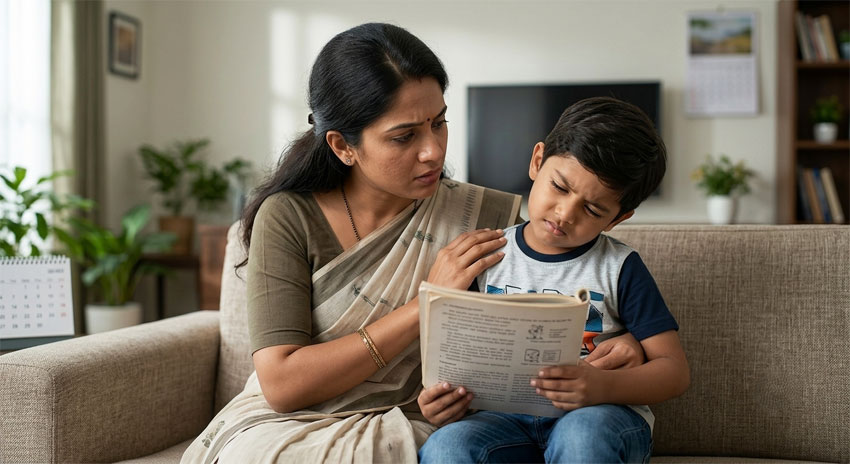
Children often cannot explain vision problems clearly, so parents should carefully watch for any unusual eye-related symptoms or changes in behavior. Early eye examination by a Pediatric ophthalmologist can help detect problems before they affect your child’s vision and development.
The signs you should not ignore
Below are some common signs that may indicate your child needs specialized Pediatric eye care:
- Frequent eye rubbing
- Constant watering or tearing from the eyes
- Redness or irritation in the eyes
- Squinting while watching TV or reading
- Sitting very close to screens or books
- Tilting or turning the head while focusing
- Excessive blinking
- Covering one eye to see clearly
- Difficulty following moving objects
- Complaints of blurred vision or headaches
- Eye strain or tired eyes
- Sensitivity to bright light
- Drooping eyelids
- Eyes that appear crossed, wandering, or misaligned
- A white or yellowish reflection in the pupil, especially in photographs
- Sticky discharge or pus from the eyes
Signs that need immediate medical attention
Some symptoms should never be ignored and require urgent evaluation by an eye specialist:
- Eyes that remain misaligned after 6 months of age
- A white glow or white spot seen in the pupil
- Sudden poor eye contact or delayed visual response
- Severe eye pain or eye injury
- Persistent redness and swelling
- Sudden vision changes
Why early eye examination is important?
Early diagnosis and treatment can help prevent permanent vision problems in children. Many childhood eye conditions respond well to treatment when detected at the right time.
Children should ideally have a complete eye examination between 3 and 4 years of age, or earlier if parents notice any concerning symptoms or if there is a family history of eye problems.
Why Is Early Pediatric Ophthalmology Treatment Important?
A child’s visual system continues to develop during the early years of life. Timely treatment during this period can significantly improve long-term visual results and can prevent permanent vision damage.
Conditions like lazy eye (amblyopia), squint (strabismus), refractive errors, congenital cataracts and other childhood eye disorders respond much better when treated early.
Benefits of early Pediatric ophthalmology treatment include:
Prevents permanent vision loss
Some eye conditions can permanently affect vision if left untreated during childhood. For example, a lazy eye may not fully recover if treatment is delayed beyond the early developmental years.
Supports learning and development
A large part of a child’s learning happens through vision. Poor eyesight can affect:
- Reading ability
- Concentration
- Academic performance
- Hand-eye coordination
- Overall confidence and development
Children with undetected vision problems may struggle in school without understanding the reason behind it.
Helps detect serious eye conditions early
Regular eye examinations can help identify serious conditions such as:
- Congenital cataracts
- Pediatric glaucoma
- Retinoblastoma
- Retinopathy of Prematurity (ROP)
Early diagnosis allows timely treatment and better visual results.
Improves eye alignment and coordination
Treating squint and binocular vision problems early can improve eye coordination, depth perception and overall visual function.
Reduces the risk of long-term complications
Simple treatments like glasses, patching therapy, eye exercises or medications can often prevent small vision problems from becoming lifelong visual impairments.
Encourages healthy visual development
Early eye care supports proper visual growth during the most important developmental years of childhood.
Regular eye screenings are recommended for children, especially between 3 to 4 years of age, or earlier if parents notice any signs of vision problems. Early diagnosis and intervention can help preserve healthy vision and support normal visual development.
How Is Pediatric Ophthalmology Different from Adult Eye Care?
Children require specialized eye care because their visual system is still developing. The treatment approach is carefully customized according to the child’s age, eye condition and visual needs.
Pediatric ophthalmology is different from adult eye care because it focuses on the developing eyes and vision of infants, children and teenagers. A child’s eyes and the connection between the eyes and brain are still growing, so early diagnosis and treatment are very important to support healthy visual development.
While adult eye care mainly focuses on age-related eye conditions such as cataracts, glaucoma, dry eyes, and macular degeneration, Pediatric ophthalmology deals with childhood eye problems like:
- Lazy eye (amblyopia)
- Squint or crossed eyes (strabismus)
- Refractive errors
- Congenital cataracts
- Blocked tear ducts
- Pediatric glaucoma
- Other eye conditions present from birth or early childhood
Pediatric ophthalmologists use child-friendly examination methods and specialized equipment designed specifically for infants and children. Since young children may not always explain their vision problems clearly, doctors use gentle and engaging procedures to assess their eyesight comfortably.
Eye evaluations in children may include:
- Vision assessment based on visual behaviour
- Eye alignment and eye movement testing
- Screening for different childhood eye conditions
- Retinal examination
- Cycloplegic refraction for accurate eye power testing
- Developmental vision assessment
- Binocular vision and depth perception testing
Child-specific treatment approaches
Treatment plans for children are specially designed according to their age and eye condition. These may include:
- Prescription glasses
- Eye patching therapy
- Eye exercises and vision therapy
- Medications or eye drops
Pediatric eye surgeries when required
Comfortable child-friendly environment
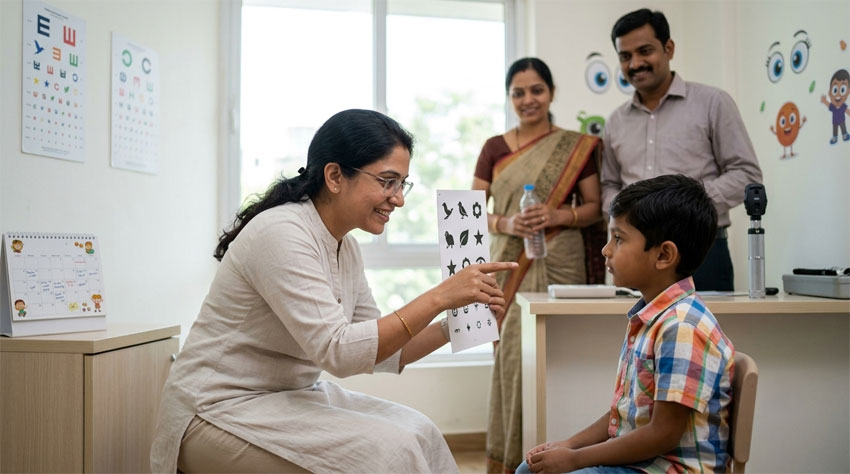
Pediatric eye clinics are designed to help children feel safe and relaxed during eye examinations. Doctors often use child-friendly communication, toys, lights, pictures, and interactive methods to make the experience comfortable for both children and parents.
What Happens During a Pediatric Eye Examination?
A Pediatric eye examination is a detailed and child-friendly eye check-up used to evaluate a child’s vision and overall eye health. The examination is designed according to the child’s age and ability to respond.
A Pediatric eye examination may include:
Medical History and Observation
The doctor may ask about the child’s medical history, family history of eye problems, birth history and any vision-related symptoms. In babies and younger children, the doctor may observe how the child follows lights, toys or objects with their eyes.
External Eye Examination
The eyelids, pupils, cornea and outer parts of the eyes are checked for any abnormalities or signs of eye disease.
Eye Movement and Alignment Testing
The doctor checks how well the eyes move and work together. Tests may help identify conditions like squint (strabismus) or lazy eye (amblyopia).
Vision Testing
Different vision tests are used depending on the child’s age:
- Eye charts or symbol charts for older children
- Picture-based or special screening tests for younger children
Depth Perception Testing
Special tests may be performed to evaluate 3D vision and how both eyes work together.
Cycloplegic Refraction (Dilated Eye Test)
Eye drops may be used to temporarily dilate the pupils and relax the eye focusing muscles. This helps the doctor accurately measure glasses power and examine the retina, optic nerve and inner eye structures.
Eye Pressure Testing
If required, eye pressure testing may also be performed to check for conditions such as Pediatric glaucoma.
Pediatric eye examinations help detect vision problems early and support healthy visual development in children.
What Conditions Are Treated Under Pediatric Ophthalmology?
Pediatric ophthalmology focuses on the complete eye care of infants, children and teenagers. It deals with diagnosing, treating and managing various childhood eye conditions that can affect vision, eye alignment and overall visual development.
Since a child’s eyes and visual system are still developing, early diagnosis and treatment are very important and at Ojas Maxivision Eye Hospital, we provide diagnosis and treatment for a wide range of childhood eye conditions to support healthy eyesight and prevent long-term vision problems.
Amblyopia (Lazy Eye) Treatment
Amblyopia is a condition where one eye develops weaker vision because the brain starts relying more on the stronger eye.
Treatment for amblyopia (lazy eye) may include:
- Prescription glasses
- Eye patching therapy
- Atropine eye drops
- Vision exercises
Strabismus (Squint or Crossed Eyes) Treatment
It is a condition in which the eyes are not properly aligned and may turn inward, outward, upward, or downward.
Management options for strabismus (squint or crossed eyes) may include:
- Glasses
- Prism lenses
- Eye exercises
- Botox injections
- Squint correction surgery
Refractive Error Corrections
Common focusing problems in children that affect clear vision include:
- Myopia (nearsightedness)
- Hyperopia (farsightedness)
- Astigmatism
Modern treatment methods may help slow the progression of these vision problems and support better visual development in children.
Pediatric Cataract Surgery
Pediatric cataract is a condition in which the natural lens of the eye becomes cloudy at birth or during early childhood, affecting a child’s vision and visual development. Early diagnosis and timely treatment are important to prevent long-term vision problems. Advanced microsurgical procedures are used to safely remove the cloudy lens and support healthy visual development in children.
Pediatric Glaucoma Treatment
It is a rare condition where increased eye pressure can damage the optic nerve and affect vision. Medical and surgical management helps control eye pressure and protect vision in children.
Ptosis (Drooping Eyelid) Treatment
Ptosis is a condition in which the upper eyelid droops and may partially cover the eye, affecting vision and normal visual development in children.
Management options for ptosis may include:
- Regular monitoring and eye examinations
- Glasses or vision support if needed
- Ptosis correction surgery to lift the drooping eyelid and improve vision development
Tear Duct Treatment
Blocked tear ducts are common in newborn babies and may cause continuous watering, sticky discharge or irritation in the eyes. In many cases, the condition improves naturally with gentle massage and proper eye care. If the blockage persists, minor procedures may be recommended to help open the tear duct and improve tear drainage.
Conjunctivitis (Pink Eye) Treatment
Conjunctivitis, commonly known as pink eye, is a common eye infection or irritation that causes redness, watering, itching and discomfort in the eyes. It may occur due to bacterial or viral infections, allergies or environmental irritants.
Treatment depends on the underlying cause and may include:
- Medicated eye drops or ointments
- Allergy medications
- Proper eye hygiene and care
- Cold compresses to reduce irritation
Early treatment can help relieve symptoms, prevent the spread of infection and protect the child’s eye health.
Stye and Chalazion Treatment
Stye and chalazion are small swollen bumps that develop on the eyelid due to blocked oil glands or infection. They may cause redness, mild pain, swelling or irritation around the eye.
Treatment options may include:
- Warm compresses and gentle eyelid cleaning
- Medications or antibiotic eye ointments if infection is present
- Minor procedures to drain the swelling in persistent cases
Early care can help reduce discomfort and prevent recurrence.
Eye Allergy Treatment
Eye allergies can cause itching, redness, watering, burning sensation and irritation in the eyes. These allergies may occur due to dust, pollen, pollution, pet hair or seasonal changes.
Treatment options may include:
- Anti-allergy eye drops or medications
- Cold compresses to reduce irritation
- Avoiding allergy triggers and maintaining eye hygiene
- Lubricating eye drops for comfort
Early treatment can help relieve symptoms and protect the eyes from ongoing irritation.
Retinopathy of Prematurity (ROP) and Childhood Retinal Disorder Treatment
Retinopathy of Prematurity (ROP) is an eye condition that can affect premature babies due to incomplete development of the retina. If not diagnosed and treated early, it may lead to serious vision problems or blindness.
Treatment options for ROP may include:
- Retinal laser treatment
- Eye injections
- Retinal surgery in advanced cases
Children with retinal disorders may require regular monitoring and specialized retinal care to support healthy visual development and reduce the risk of long-term vision complications.
Retinoblastoma and Pediatric Eye Tumor Treatment
Retinoblastoma is a rare but serious childhood eye cancer that can affect both vision and overall health if not treated early. Prompt diagnosis and timely treatment are very important to protect the child’s eyesight and general well-being.
Treatment may involve:
- Chemotherapy
- Laser therapy
- Cryotherapy (freezing treatment)
- Radiation therapy
- Intra-arterial chemotherapy
- Surgery in advanced cases
Children with retinoblastoma often require regular follow-up examinations and long-term monitoring after treatment. Early intervention can help improve treatment results and preserve vision whenever possible.
Vision Rehabilitation
Children with low vision or delayed visual development may benefit from customized vision rehabilitation programs designed to improve visual function and daily activities.
These programs may include:
- Vision therapy and eye exercises
- Low vision aids and visual support devices
- Eye coordination and focusing exercises
- Visual stimulation activities
- Guidance for parents and caregivers
Vision rehabilitation helps children improve their visual skills, confidence, learning ability and overall quality of life.
Note: Regular eye checkups and timely treatment can help detect these conditions early and support healthy visual development in children.
What Non-Surgical Treatments Are Available in Pediatric Ophthalmology?
Many childhood eye conditions can be managed successfully without surgery. Non-surgical treatments in Pediatric ophthalmology focus on improving vision, supporting healthy visual development and helping the eyes work properly together.
Non-surgical Pediatric eye treatment options may include:
Prescription Glasses
Glasses are commonly used to correct refractive errors such as:
- Myopia (nearsightedness)
- Hyperopia (farsightedness)
- Astigmatism
Patching Therapy for Lazy Eye (Amblyopia)
In patching therapy, the stronger eye is covered with a patch to encourage the weaker eye to work better and improve vision development.
Atropine Eye Drop Therapy
Special eye drops may be used in the stronger eye to temporarily blur vision slightly, encouraging the child to use the weaker eye more effectively.
Vision Therapy and Eye Exercises
Special eye exercises and visual activities may help improve:
- Eye coordination
- Focusing ability
- Eye movement control
- Binocular vision
Prism Lenses
Special prism glasses may help improve mild eye alignment problems and reduce double vision in some children.
Contact Lenses
Contact lenses may be recommended for older children with certain refractive errors or specific eye conditions.
Medicated Eye Drops and Ointments
Eye drops or ointments may be used to treat:
- Eye allergies
- Conjunctivitis (pink eye)
- Eye infections
- Pediatric glaucoma
Note: Early non-surgical treatment can help improve visual development and reduce the risk of long-term vision problems in children.
What Surgical Treatments Are Available in Pediatric Ophthalmology?
Pediatric ophthalmology surgeries are specialized procedures performed to treat eye conditions in children that may affect vision development, eye alignment or overall eye health. Early surgical treatment can help prevent permanent vision problems and support healthy visual development. Some childhood eye conditions may require surgery to improve vision and achieve better long-term visual results.
Common Pediatric ophthalmology surgical treatments include:
Strabismus (Squint) Surgery
This surgery helps correct misaligned or crossed eyes by adjusting the eye muscles to improve eye alignment and coordination.
Pediatric Cataract Surgery
Performed to remove cloudy eye lenses present at birth or developed during childhood. In some cases, an artificial lens (IOL) may also be placed to improve vision.
Pediatric Glaucoma Surgery
Used to reduce high eye pressure in children and protect the optic nerve from damage.
Retinopathy of Prematurity (ROP) Treatment
Premature babies with abnormal retinal blood vessel growth may require:
- Laser treatment
- Injections into the eye
- Surgery in rare severe cases
Ptosis (Drooping Eyelid) Surgery
Helps lift a drooping eyelid that may block vision and interfere with normal visual development.
Blocked Tear Duct Surgery
Minor procedures may be performed to open blocked tear ducts and reduce constant watering or discharge from the eyes.
Pediatric Retina Surgery
Specialized retinal procedures may be needed for retinal detachment, eye injury, or certain retinal diseases in children.
Retinoblastoma Treatment
Childhood eye cancer may require a combination of:
- Chemotherapy
- Laser treatment
- Cryotherapy
- Radiation therapy
- Surgery in advanced cases
All Pediatric eye surgeries are carefully planned according to the child’s visual needs, age and eye condition. Early treatment often provides better visual results and helps support normal eye development.
How to Care for Your Child After Pediatric Eye Treatment?
Recovery after Pediatric eye treatment depends on the type of treatment or procedure performed. Most non-surgical treatments usually do not require recovery time, while surgical procedures may need a short recovery period with proper care and follow-up.
Expert aftercare tips:
- Avoid rubbing or touching the eyes after surgery.
- Use prescribed eye drops and medicines exactly as advised by the doctor.
- Follow patching therapy instructions carefully for better improvement in lazy eye (amblyopia).
- Attend regular follow-up visits to monitor healing and vision improvement.
- Limiting strenuous activities for a few days after surgery.
Most children can usually return to school and daily activities within a few days, depending on the treatment and doctor’s advice. Regular follow-up care and proper treatment support can help achieve better healing and healthy visual development in children.
What Are the Benefits of Pediatric Eye Treatments?
Pediatric eye treatments can help improve vision, support healthy visual development and prevent long-term eye problems.
Benefits of Pediatric eye treatments include:
- Helps improve or protect vision during important developmental years.
- Improves learning ability, confidence and overall quality of life.
- Prevents long-term or permanent vision problems when treated early.
- Non-surgical treatments like glasses, patching therapy and medications are generally very safe.
What Are the Risks of Pediatric Eye Treatments?
Like all medical treatments and procedures, Pediatric eye treatments may also have some risks. Doctors carefully discuss all treatment options with parents before starting any procedure.
Possible risks of surgical treatments may include:
- Temporary redness, swelling, or mild discomfort after surgery.
- Small risks related to anaesthesia, which are carefully managed by specialized doctors.
- Rare risk of infection, reduced through proper safety and sterile measures.
- Some conditions, such as squint, may occasionally require additional treatment or repeat surgery.
The doctor will explain the benefits, possible risks and expected results of the treatment to help parents make informed decisions for their child’s eye care.
How Can Parents Protect Their Child’s Eye Health?
Protecting your child’s eye health is important for healthy vision development. Simple habits like limiting screen time, encouraging outdoor play, regular eye check-ups, proper lighting and using protective eyewear during sports can help keep their eyes healthy.
Parents are encouraged to:
Manage Screen Time and Digital Habits
- Follow the 20-20-20 rule: every 20 minutes, ask your child to look at something 20 feet away for 20 seconds.
- Keep screens about 20 to 28 inches away from the eyes.
- Limit unnecessary screen time and avoid screens before bedtime.
- Make sure study and screen areas are well-lit to reduce eye strain and glare.
Encourage Outdoor Activities
- Children should spend 1 to 2 hours outdoors daily, as natural sunlight supports healthy eye development and may help slow myopia progression.
- Use sunglasses with UV protection or hats when outdoors to protect the eyes from harmful sun rays.
Schedule Regular Eye Check-Ups
- Regular comprehensive eye exams help detect problems like lazy eye, crossed eyes and other vision issues early.
- Watch for signs such as squinting, headaches, eye rubbing or holding books very close to the face.
Focus on Eye Safety and Healthy Nutrition
- Use protective sports goggles during activities like cricket, football, hockey or other sports to help prevent eye injuries.
- Give children a healthy diet rich in fruits, vegetables and omega-3 fatty acids for better eye health.
- Teach children not to rub their eyes with dirty hands to reduce the risk of infections.
Take Proper Care of Glasses and Contact Lenses
- Make sure your child wears prescribed glasses regularly.
- If your child uses contact lenses, teach proper cleaning and hygiene to prevent eye infections.
Routine eye screenings are especially important before school age.
What Is Vision Rehabilitation in Pediatric Ophthalmology?
Vision rehabilitation helps children with low vision or visual developmental difficulties improve their visual function and independence.
This may include:
- Visual stimulation exercises
- Eye coordination training
- Assistive visual devices
- Low vision aids
- Developmental support programs
- Parent guidance and counselling
These programs are tailored according to each child’s visual needs.
Who Can Benefit from Vision Rehabilitation?
Vision rehabilitation programs can help children who have difficulty with vision, eye coordination or visual development. These programs are designed to improve visual function and support daily activities, learning and overall development.
Children who may benefit from vision rehabilitation include those with:
Amblyopia (Lazy Eye)
Helps strengthen vision in the weaker eye and improve visual development.
Strabismus (Squint or Crossed Eyes)
Supports better eye coordination, alignment and depth perception.
Cortical Visual Impairment (CVI)
Helps children with brain-related vision problems improve visual response and functional vision skills.
Low Vision Conditions
Children with reduced vision caused by conditions such as pediatric cataracts, Retinopathy of Prematurity (ROP), or inherited retinal disorders may benefit from visual rehabilitation support.
Neurological Vision Problems
Supports children with vision difficulties caused by neurological or brain-related conditions.
What Vision Rehabilitation Services Are Available for Children?
We provide complete vision rehabilitation services to support children with visual difficulties and help improve their daily functioning, learning and overall quality of life.
Our vision rehabilitation services may include:
Complete Eye Assessment
Detailed eye examinations and visual assessments are performed to understand the child’s visual condition, functional vision and individual rehabilitation needs.
Low Vision Aids and Assistive Devices
Special devices and technologies may be recommended to support better vision and learning, including:
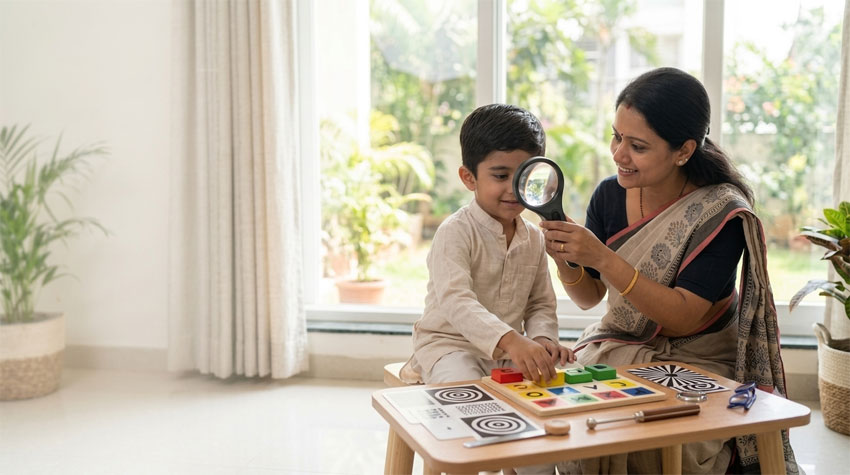
- Magnifiers and low vision aids
- Electronic learning tools and screen readers
- Special prescription glasses or contact lenses
Vision Therapy Programs
Customized eye exercises and visual training programs may help improve:
- Eye coordination
- Focusing ability
- Eye tracking skills
- Visual efficiency
Orientation and Mobility Training
Children with significant visual impairment may receive guidance and training to move around safely and confidently.
Environmental Modifications
Simple changes in lighting, contrast and classroom or home setup may help create a more visually comfortable environment for the child.
Parental Guidance and Counselling
Parents are educated about the child’s condition and guided on ways to support visual development and rehabilitation at home and school.
Emotional and Social Support
Support services may help improve the child’s confidence, emotional well-being and social interaction while coping with vision-related challenges.
Why Choose Ojas Maxivision Eye Hospital for Pediatric Ophthalmology?
At Ojas Maxivision Eye Hospital, we focus on providing safe, advanced and complete eye care for children.
Our Pediatric ophthalmology services include:
- Experienced eye specialists for children
- Child-friendly examination environment
- Advanced diagnostic technology
- Comprehensive treatment options
- Personalized care plans
- Modern surgical techniques
- Supportive aftercare and follow-up
We believe that every child deserves healthy vision for a brighter future.
Book Your Appointment for Pediatric Ophthalmology Care at Ojas Maxivision Eye Hospital
If your child shows signs of vision problems, early consultation can make a significant difference. At Ojas Maxivision Eye Hospital, our specialists provide advanced diagnosis and personalized treatment for a wide range of childhood eye conditions in a comfortable environment designed for children and families.
If you are searching for a trusted Pediatric ophthalmology treatment in Mumbai, our team is here to support your child’s vision health with advanced care and expert treatments.
Healthy vision today helps build a brighter tomorrow for your child.

Frequently Asked Questions (FAQs) About Pediatric Ophthalmology
A child should ideally have their first eye check-up during infancy, especially within the first year of life. Another detailed eye examination is usually recommended before starting school. Early eye check-ups help detect vision problems, lazy eye, squint or developmental eye conditions at the right time.
Regular eye check-ups help identify vision problems early, even before a child notices symptoms. Poor eyesight can affect reading, learning, concentration and overall development. Early diagnosis and treatment of conditions like myopia, lazy eye or squint can help support healthy visual development and better academic performance.
Common signs of eye problems in children include squinting, frequent eye rubbing, excessive watering, headaches, blurred vision, poor attention during reading and sitting very close to screens or books. Some children may also tilt their head or complain of eye strain while studying or watching television.
A Pediatric eye doctor specializes in diagnosing and treating eye problems in babies, children and teenagers. They manage conditions such as lazy eye, squint, refractive errors, congenital cataracts, blocked tear ducts and other childhood eye diseases that may affect vision development and eye health.
Yes, lazy eye or amblyopia can often be treated successfully if detected early. Treatment may include glasses, patching therapy, special eye drops or vision exercises. Early treatment helps strengthen the weaker eye and improves the chances of developing normal vision during childhood.
Squint, also called strabismus, may develop due to eye muscle imbalance, refractive errors, nerve-related conditions or genetic factors. In squint, the eyes may not look in the same direction together. Early treatment is important because untreated squint can affect vision development and depth perception.
Yes, squint surgery is commonly performed in children and is generally considered safe when done by experienced Pediatric eye surgeons. The surgery helps improve eye alignment and may support better binocular vision. Recovery is usually quick, and most children return to normal activities within a few days.
Yes, children can develop cataracts. Some babies are born with cataracts, while others may develop them later due to injury, infections, or medical conditions. Childhood cataracts can interfere with vision development, so timely diagnosis and treatment are important to prevent permanent vision loss.
Retinopathy of Prematurity, or ROP, is an eye condition seen in premature babies where abnormal blood vessels grow in the retina. If not treated on time, ROP can affect vision and may even lead to blindness. Regular retinal screening is important for babies born prematurely or with low birth weight.
Pediatric ophthalmology is important because many childhood eye problems can affect vision permanently if left untreated. Early diagnosis and treatment help improve visual development, learning skills and eye coordination. Regular eye care during childhood supports healthy eyesight as children grow.
Pediatricians can identify basic eye concerns during routine health check-ups, but children with suspected vision or eye problems are usually referred to a Pediatric ophthalmologist. Specialized eye doctors provide detailed eye examinations and advanced treatment for childhood eye conditions.
Parents should consult an eye specialist if their child frequently rubs their eyes, squints, complains of headaches, has watery eyes, struggles to read or shows misaligned eyes. Difficulty focusing in school or sitting very close to screens may also indicate vision problems needing evaluation.
Amblyopia, commonly called lazy eye, occurs when one eye develops weaker vision because the brain relies more on the stronger eye. It usually develops during childhood and may be linked to squint or refractive errors. Early treatment can help improve vision significantly.
Excessive screen time may increase eye strain, dryness, headaches and difficulty focusing in children. Long hours of near work may also contribute to worsening myopia or nearsightedness. Regular screen breaks, outdoor activities and proper viewing distance can help reduce eye strain.
Myopia, also known as nearsightedness, is a condition where distant objects appear blurry while nearby objects remain clear. It commonly develops during school-age years and may worsen as the child grows. Early diagnosis and proper vision correction are important for clear eyesight.
Yes, certain treatments and lifestyle changes may help slow the progression of myopia in children. Options may include special glasses, contact lenses, low-dose eye drops and increased outdoor activities. Regular eye check-ups help monitor changes in vision and guide appropriate treatment.
Blocked tear ducts occur when tears cannot drain properly from a baby’s eyes, leading to excessive watering, stickiness, or discharge. The condition is common in newborns and often improves naturally over time. Some babies may require massage, medication, or minor procedures if symptoms persist.
Yes, eye drops prescribed by an ophthalmologist are generally safe for children when used correctly. Different eye drops may be recommended for allergies, infections, inflammation or vision treatment. Parents should always follow the doctor’s instructions regarding dosage and duration of use.
Eye exercises may help improve eye coordination, focusing ability, and binocular vision in certain conditions. They are sometimes recommended for problems like convergence insufficiency or eye muscle imbalance. However, eye exercises may not cure refractive errors such as myopia or hyperopia.
Yes, untreated vision problems can affect reading ability, concentration, classroom participation and overall learning performance. Children with poor eyesight may struggle academically without realizing they have a vision issue. Regular eye check-ups can help identify and correct these problems early.
During a child’s eye examination, the doctor checks vision clarity, eye alignment, focusing ability, eye movement and overall eye health. Child-friendly techniques and special instruments are used to make the examination comfortable while accurately assessing the child’s visual development.
Recovery after Pediatric eye surgery depends on the type of procedure performed. Most children recover within a few days to a few weeks. Doctors usually advise follow-up visits, eye drops and activity precautions to support proper healing and visual improvement after surgery.
Parents can support healthy eye development by encouraging outdoor play, limiting unnecessary screen time, providing balanced nutrition, ensuring adequate sleep and scheduling regular eye check-ups. Good eye care habits during childhood can help reduce the risk of vision problems later in life.
The cost of Pediatric eye treatment in Mumbai depends on the child’s condition, required tests and the type of treatment needed. Expenses may vary for glasses, eye therapy, medications or surgery. A detailed treatment estimate is usually provided after the eye consultation. Please contact us by phone or email to book a consultation.
Yes, Ojas Maxivision Eye Hospital offers cashless eye treatment through selected insurance providers and empanelled organizations. Patients are advised to confirm insurance eligibility, approvals and treatment coverage with the hospital before planning consultations or procedures. The hospital is empanelled with CGHS, RBI, NABARD and BSNL.
Ojas Maxivision Eye Hospital is located in Mumbai, Maharashtra and offers complete eye care services for children and adults. The hospital provides advanced Pediatric ophthalmology treatments, eye examinations, vision correction services and specialized eye surgeries. The hospital has centres in Bandra West, Kandivali East and Juhu, making it convenient for patients across Mumbai and Maharashtra to access quality eye care services.
Key Facts About Pediatric Ophthalmology
- Pediatric ophthalmology focuses on diagnosing and treating eye conditions in children from infancy to adolescence.
- Early detection of childhood eye problems is important to prevent long-term vision issues.
- A Pediatric ophthalmologist examines and treats children using glasses, medicines, vision therapy or surgery when needed.
- Signs like squinting, eye redness, excessive tearing, head tilting or crossed eyes should not be ignored.
- Common childhood eye conditions include amblyopia (lazy eye), strabismus (misaligned eyes), myopia, chalazion and blocked tear ducts.
- Limiting screen time, encouraging outdoor activities and maintaining healthy habits help support proper visual development.
- Regular eye check-ups and timely treatment can help children maintain healthy vision during their growing years.